
Specifying Shrinkage Balance for Underwear
Learn how to interpret uneven shrinkage results, set project-specific underwear requirements, and document release checks without relying on a universal tolerance.

Learn how to interpret uneven shrinkage results, set project-specific underwear requirements, and document release checks without relying on a universal tolerance.
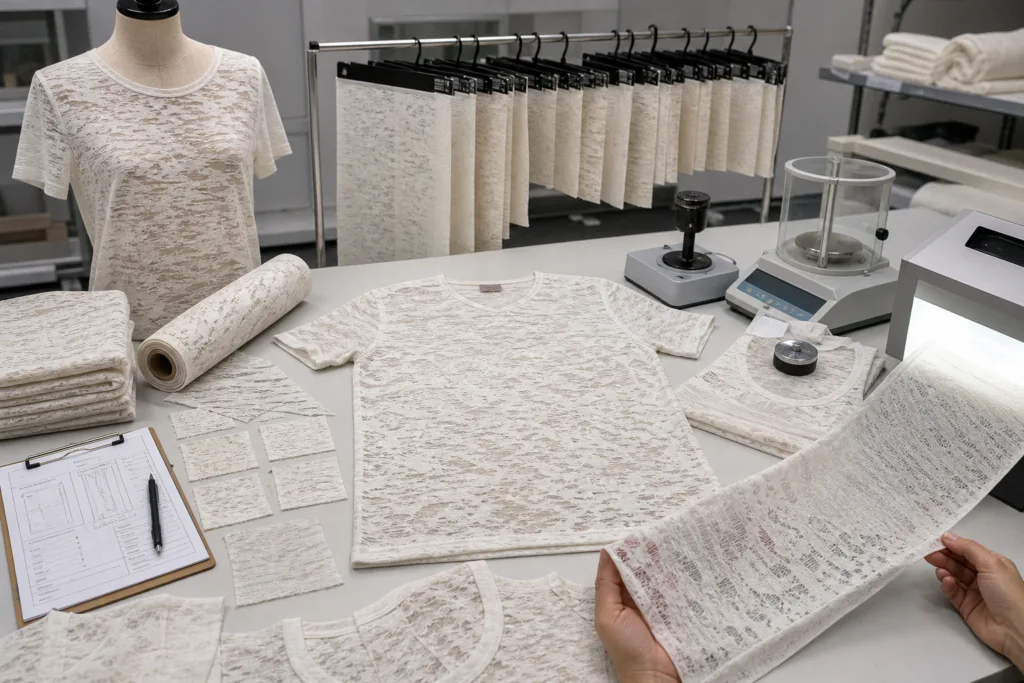
Learn how to evaluate burnout jersey GSM through representative sampling, garment testing, care checks, and a documented approval process instead of relying on one weight value.
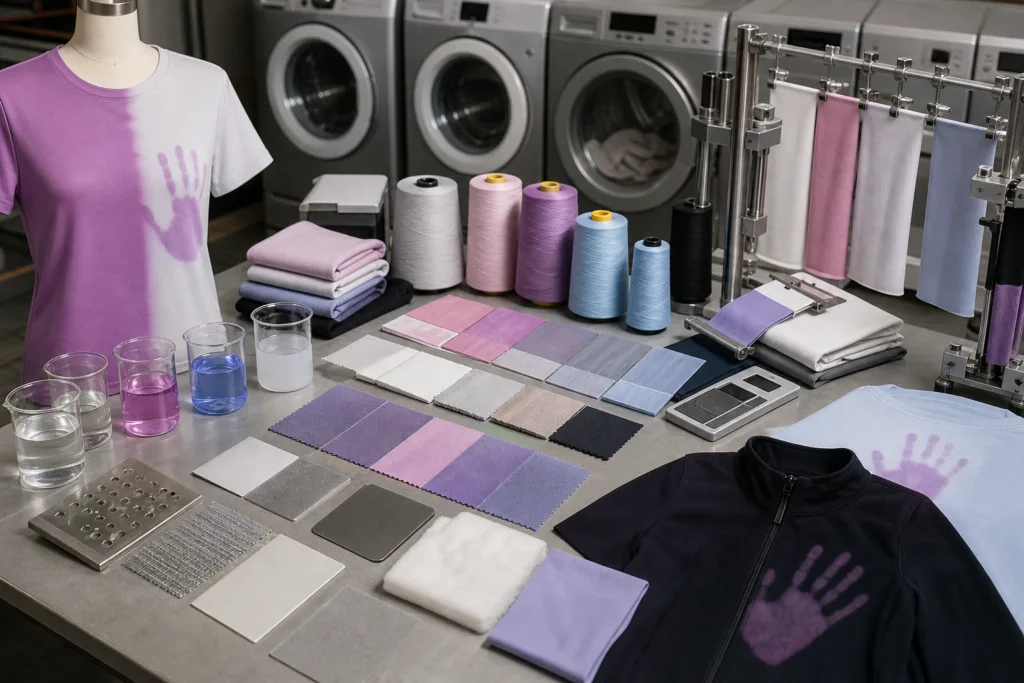
Learn how formulation, fabric construction, garment placement, exposure conditions, and observation methods affect thermochromic textile durability testing and product claims.
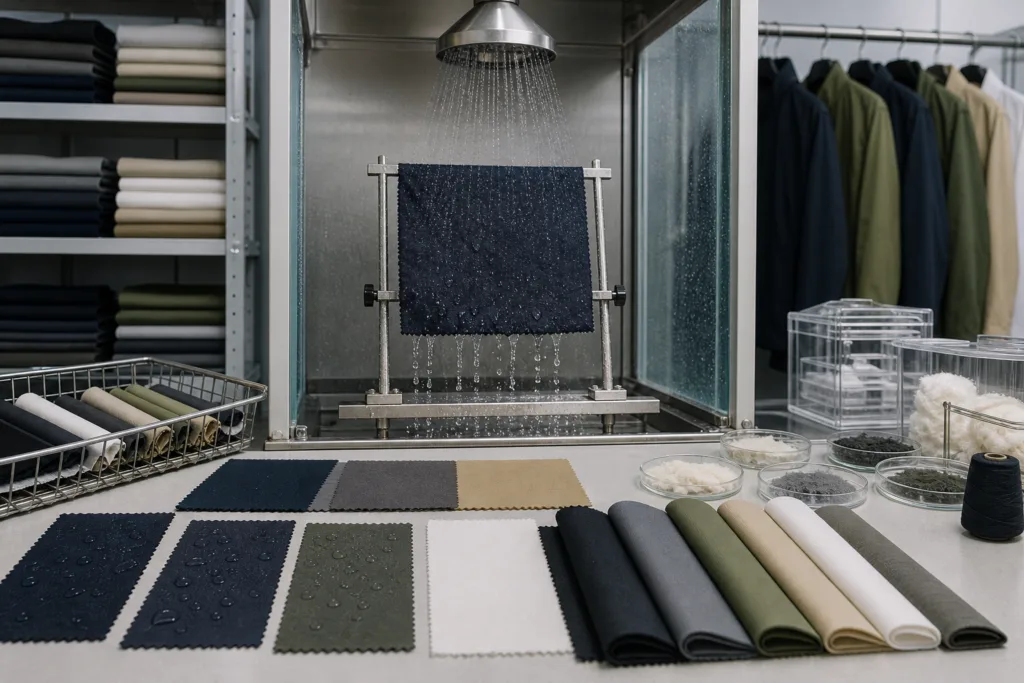
Learn how to compare spray rating results, review test reports, and understand the limits of sample-level surface wetting evaluations.
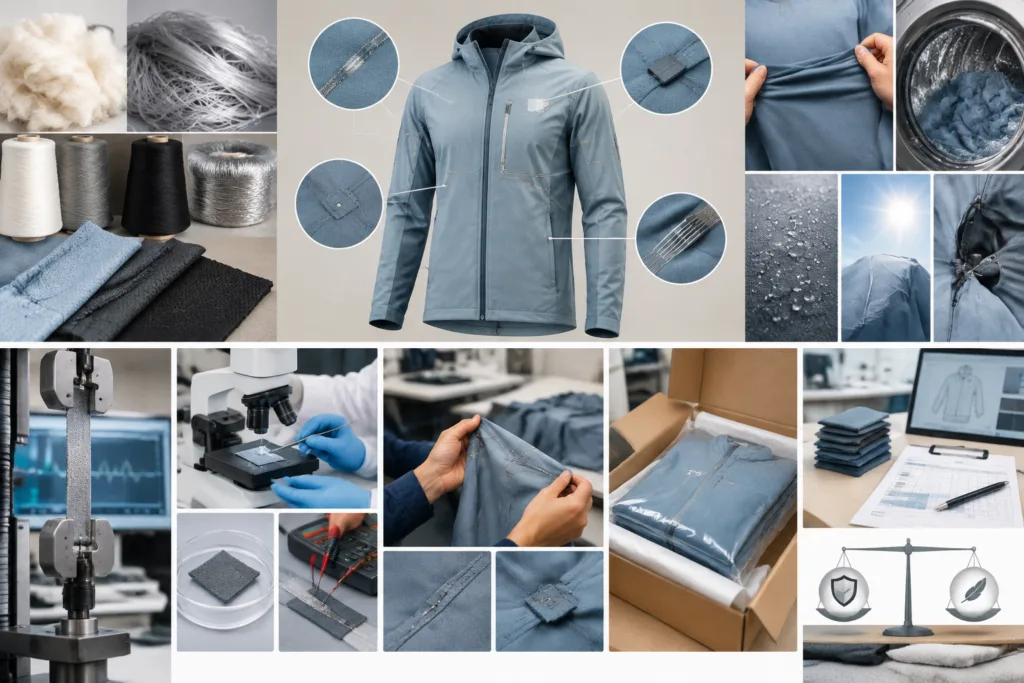
Learn how construction, placement, care, and connection design affect textile interconnect durability testing, and how to interpret failures without overstating what a test proves.
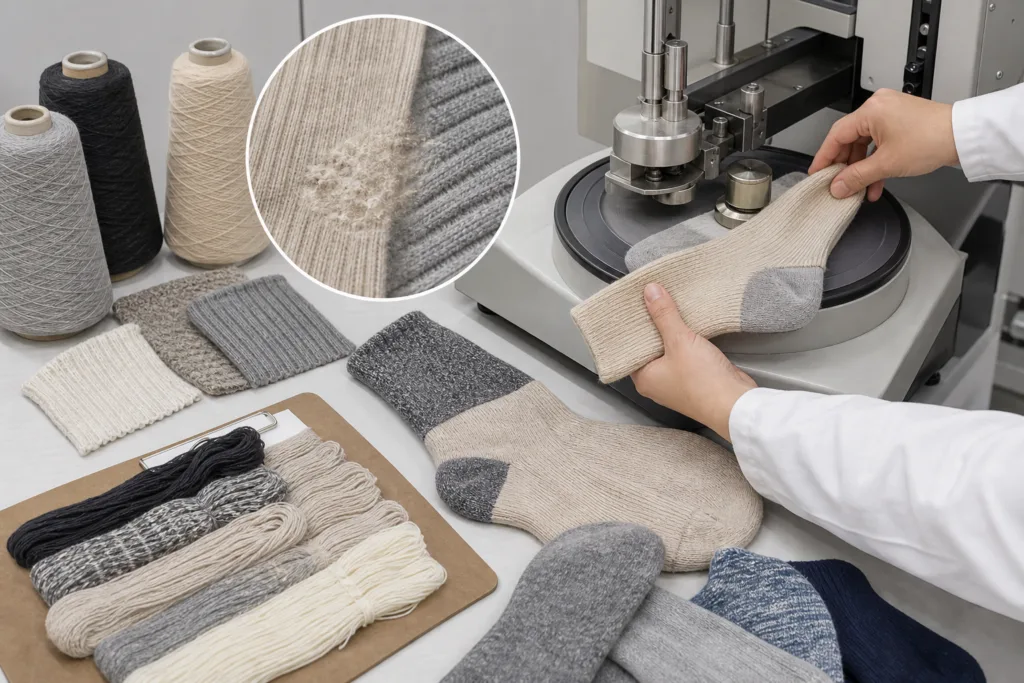
Learn how to evaluate sock yarn abrasion, compare yarn options, and interpret test results without treating one laboratory result as a universal durability guarantee.
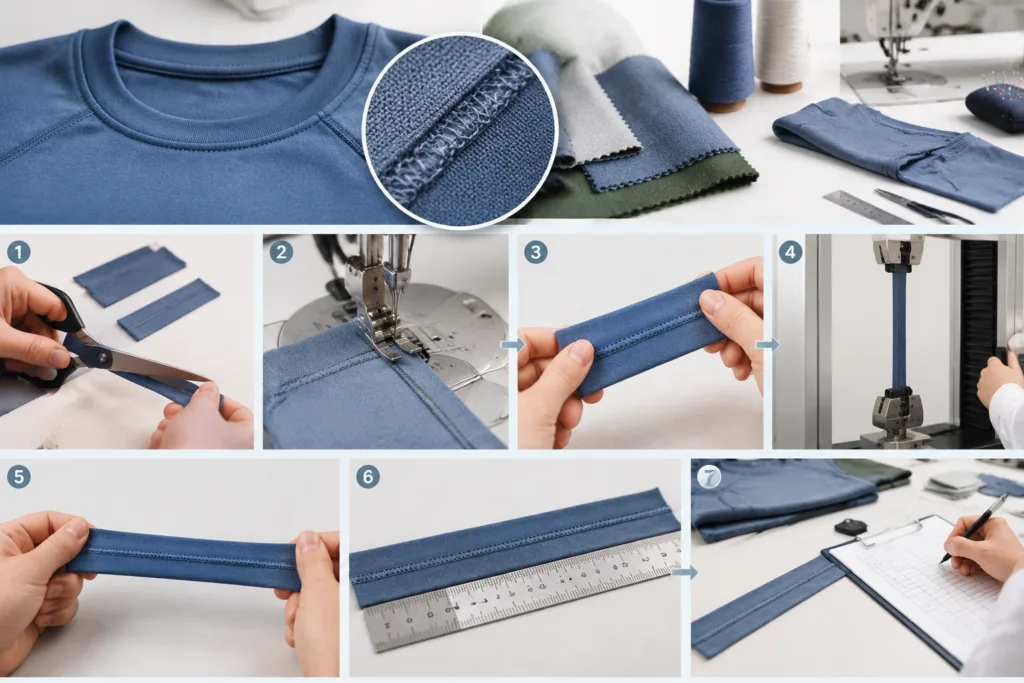
Learn how to evaluate seam elasticity with comparable samples, controlled extension, structured observations, troubleshooting, and project-specific quality decisions.
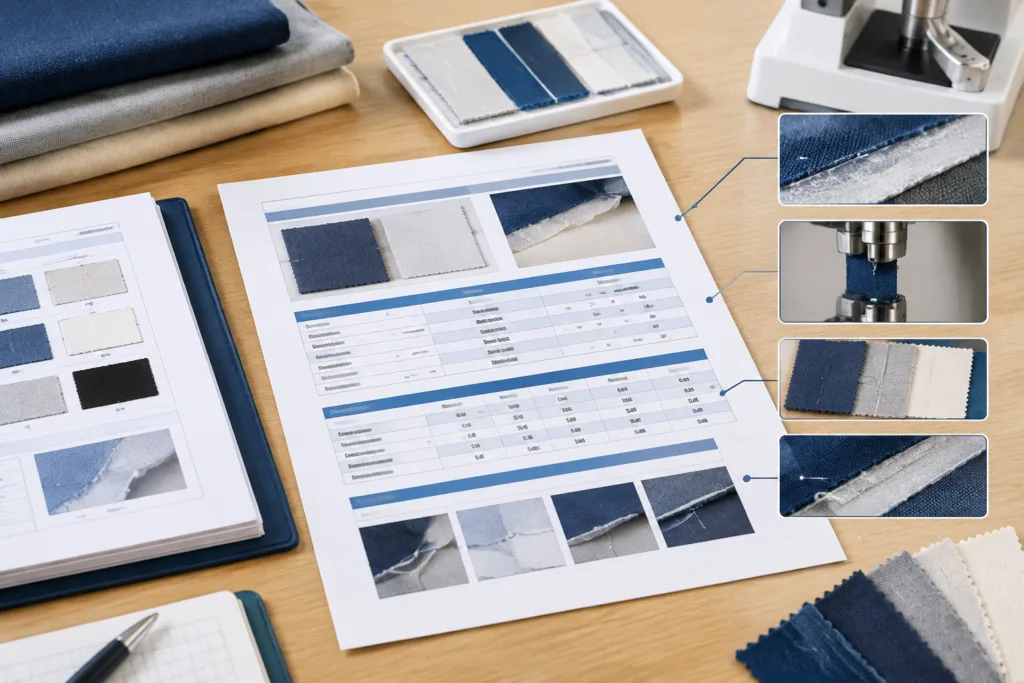
Learn how to review adhesive bond test reports, interpret failure modes, and use tested-sample results responsibly in apparel development.
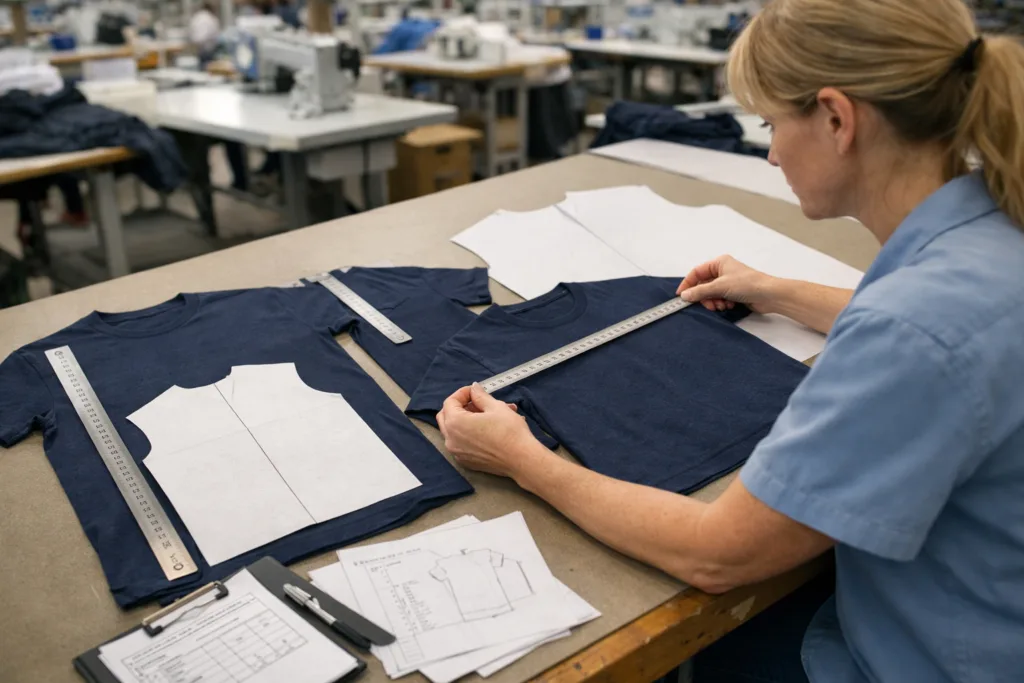
Understanding Fabric Shrinkage in Garment Production In the apparel industry, accurate fabric shrinkage testing is essential for quality control and meeting customer specifications. Garment shrinkage QC is more than a laboratory exercise—it’s a cornerstone of factory workflow, from sample approval to bulk production. A precise fabric shrinkage test ensures consistent sizing, fit, and quality for
