
Understanding CMT (Cut, Make, Trim) vs. FPP (Full Package) Pricing in Garment Manufacturing
Making the right decision between CMT (Cut, Make, Trim) and FPP (Full Package) pricing is a fundamental challenge in garment manufacturing. Both models affect your cost control, quality assurance, and production schedule in distinct ways. Whether you’re a small brand or a global label, understanding these approaches helps avoid costly mistakes and optimize profitability. Let’s dive into the core differences, key benefits, and real-world impacts of these popular garment manufacturing pricing strategies.
What Is CMT (Cut, Make, Trim) Pricing?
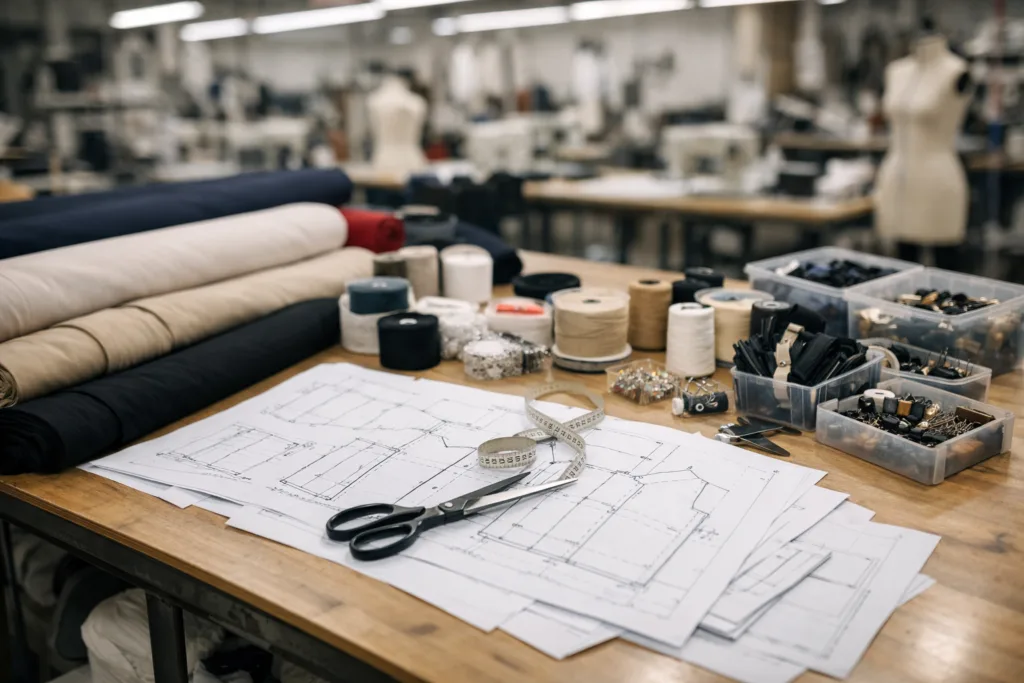
CMT pricing stands for Cut, Make, and Trim. In this model, the buyer—often a fashion brand or sourcing agency—provides all the raw materials: fabric, trims, threads, labels, and sometimes even packaging. The factory is responsible for cutting, sewing, assembling, and finishing the garments using these supplied components. The CMT fee covers only manufacturing labor and overhead costs. If you’re focused on maintaining direct control over fabric selection and material sourcing, CMT is a practical route.
Key Features of CMT Pricing
- The buyer supplies all materials and technical specifications.
- The factory only handles labor (cutting, sewing, finishing) and uses supplied trims and components.
- Pricing is calculated per piece or per operation, often based on Standard Minute Value (SMV).
- Lower transparency risk in sourcing as you’ve chosen every material personally.
What Is FPP (Full Package) Pricing?
FPP—Full Package Pricing—means the manufacturer provides everything: they source the fabrics, trims, labels, and manage all logistics, production, and sometimes even delivery. The buyer’s responsibility is mainly to submit the approved tech pack and quality requirements. FPP offers a “one-stop” solution for brands that want to avoid the challenges of global sourcing and logistics management—factories use their own network to fulfill the order from start to finish.
Key Features of FPP Pricing
- The factory manages materials procurement, sampling, manufacturing, and often even packaging and shipping.
- The buyer invests less time in sourcing and supply chain coordination.
- FPP pricing is typically quoted as an all-inclusive cost per garment, making budgeting straightforward.
- The buyer must trust the manufacturer for both quality and cost of materials.
CMT Pricing vs. FPP Pricing: Comparison Table
| Criteria | CMT Pricing | FPP Pricing |
|---|---|---|
| Who Sources Materials? | Buyer | Manufacturer |
| Control Over Costs | High (more direct purchase) | Moderate (bundled in package cost) |
| Ease of Coordination | Complex (multiple vendors, supply chain management needed) | Simple (factory handles all) |
| Risk of Material Quality Issues | Lower (your materials) | Moderate to High (factory’s suppliers) |
| Production Timeline Control | More flexible, but at buyer’s risk | Usually faster, depending on supplier network |
When Should You Choose CMT Pricing?
CMT works for brands who want control over every input in their garment and often have existing relationships with material suppliers. If you’re experienced or already have a robust sourcing team, managing BOM (Bill of Materials) alignment with your manufacturer can unlock big cost savings. Learn more about BOM alignment and its impact on costing here.
Who Uses CMT Pricing?
- Premium and luxury brands with special fabric requirements
- Brands with transparent or sustainable sourcing commitments
- Designers launching capsule or limited-edition collections who need more control
Benefits of CMT Pricing
- Full control over fabric and trim quality
- Potential for lower manufacturing costs, especially for niche or high-value items
- Lower risk of supply chain surprises—since you choose your vendors
Drawbacks of CMT Pricing
- Time-consuming to source and ship all materials
- Greater risk of delays due to missing or late components
- Requires specialized expertise in logistics and compliance
When Should You Choose FPP Pricing?
FPP is suited for start-ups, small brands, and companies with limited sourcing or production management experience. This is also a practical model if you need faster time-to-market or want to scale up collections with minimal operational hassle. Many fast fashion brands and online sellers rely on FPP for speedy and repeatable results.
Who Uses FPP Pricing?
- Growing e-commerce brands launching frequent new SKUs
- Retailers with small teams or limited in-house expertise
- Buyers who prefer a fixed, clear price per garment from design to delivery
Benefits of FPP Pricing
- Simplifies all supply chain processes into a single factory relationship
- Saves overhead and staff costs (no need for full sourcing team)
- Improved lead times when factories source and manage their vendor network
Drawbacks of FPP Pricing
- Higher risk of hidden costs baked into the “package”
- Less flexibility and transparency over material quality and choice
- Potentially higher overall cost, especially if minimums are not met
How CMT and FPP Impact Cost Control in Apparel Manufacturing
Cost control starts with a clear bill of materials (BOM) and realistic cost estimates. With CMT, buyers can negotiate fabric and trim prices directly, while FPP bundles these costs into a single quote. Both methods require careful BOM management. For clear steps on setting garment prices, see this guide on calculating FOB prices for garments.
CMT and Cost-Driven Decisions
Buyers with strong cost management skills often benefit from CMT by minimizing markups and reducing waste. However, any mistakes in BOM data or late communication can quickly erase potential savings. Mastering BOM error prevention is crucial for CMT success.
FPP and Predictable Budgeting
With FPP, factories factor material costs, handling, and logistics into the per-unit price, meaning you pay a single, predictable cost per garment. This clarity is useful for start-ups and brands launching first collections. However, you may not see detailed material cost breakdowns unless requested during negotiation.
Quality Assurance: CMT vs. FPP
CMT offers more direct control over fabric and trim quality. Buyers can approve lab dips, strike-offs, and even coordinate special quality inspections. FPP manufacturers may use their preferred suppliers, and standards may vary. Clear communication in your tech pack and quality manual is essential for both models. Apparel Wiki highlights that even well-written tech packs can miss small details, so regular sample checks and comments are important at every stage—regardless of pricing model used.
Production Timeline: Does Pricing Model Matter?
CMT timelines depend on your ability to source and deliver all materials to the factory. Missing or delayed trims can push back an entire production run. FPP tends to have faster, more reliable timelines since factories use established supply chains. However, if you request non-standard or specialty inputs in FPP, it could still cause delays. For more tips, see the articles on managing sample lead times and updating tech packs after sampling.

Case Studies: How Brands Succeed With CMT or FPP
CMT Success: European Designer Capsule Collection
A well-known European luxury designer launched a limited-edition collection using CMT. By sourcing rare, eco-certified silks directly and working with a boutique CMT specialist in Portugal, they achieved impeccable quality control and built tight supply chain visibility. This approach kept costs in check despite high-value materials, showcasing CMT’s benefits for small-batch, high-end projects.
FPP Success: U.S.-Based E-Commerce Brand
An online apparel brand grew sales by 200% by shifting to FPP with a Vietnamese factory. The factory sourced fabrics, trims, and managed all logistics, freeing the founders to focus on marketing and scaling. Predictable per-garment costs helped stabilize cash flow, allowing them to boost design development and launch more seasonal collections each year.
How to Decide: CMT vs. FPP for Your Apparel Business
- If you value control and transparency, prefer CMT.
- If you value simplicity and speed, FPP is advantageous.
- Assess your internal resources, technical expertise, and bandwidth for supply chain management.
- Use your BOM and costing sheet alignment to test different budget scenarios before making a final decision.
Common Pitfalls and How to Avoid Them
- With CMT: Incomplete BOMs lead to last-minute trim or label shortages. Double-check your packaging materials specification to avoid delays.
- With FPP: Overreliance on factory sourcing with minimal oversight can lead to unexpected quality or compliance issues. Regular sample reviews and clear quality standards help mitigate this.
Budgeting and Financial Planning Considerations
Choosing between CMT and FPP influences your cash flow, payment schedules, and profit forecasts. CMT requires more upfront capital for materials. FPP payment terms are generally aligned with mass production and shipping milestones, which may support easier financial forecasting and loan requirements for some businesses. Understanding how to calculate fabric consumption per BOM is important for either method, but doubly so for direct costing in CMT models.
CMT (Cut, Make, Trim) vs. FPP (Full Package) Pricing
In summary, CMT pricing delivers more control for experienced buyers who can manage complex supply chains and value flexibility. FPP offers simplicity, speed, and one-stop accountability—suiting fast-turn retail and brands prioritizing resource efficiency. Using Apparel Wiki’s industry insights can help you match your business capability to the right model. The key is aligning your team’s strengths, project goals, and each supplier’s real-world performance.
Conclusion

Both CMT and FPP pricing strategies offer compelling advantages and distinct drawbacks. The best approach depends on your specific production goals, expertise, and resources. Take time to weigh your team’s strengths, supply chain network, and risk tolerance. By making an informed decision—and building BOM accuracy into your process—you can deliver higher quality products, tighter budgets, and fewer surprises along the way.
Frequently Asked Questions
What are the main differences between CMT and FPP pricing?
CMT requires the buyer to supply all materials, while FPP includes material sourcing in the manufacturer’s price. CMT provides more input control; FPP offers simplicity and bundled pricing for faster production setup.
How does CMT pricing impact quality control?
CMT gives buyers direct selection over all raw materials and trims, resulting in tighter quality assurance, especially valuable for premium or niche brands with strict standards.
Is FPP more expensive than CMT?
FPP can be more costly per piece due to bundled services, but the value of convenience and saved labor often outweighs these costs for brands with limited internal resources.
What skills do I need to succeed with CMT pricing?
You’ll need skills in material sourcing, logistics, BOM management, and quality assurance to minimize errors and delays with CMT pricing.
Can a small fashion brand use CMT pricing?
Yes, but it’s more challenging for small brands without strong sourcing partners or industry experience; many opt for FPP to simplify their launch and scale process.
How do I choose between CMT and FPP for my first production run?
Review your internal capabilities. If you can manage material sourcing and QC, CMT fits. If not, FPP streamlines the process and reduces the risk of missed steps for beginners.