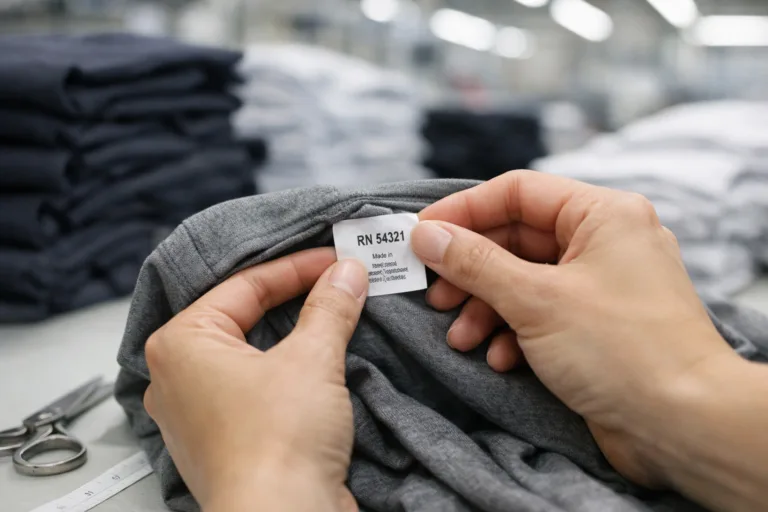
What Is an RN Number (Registered Identification Number)?
An RN Number—or Registered Identification Number—is a unique code assigned by the Federal Trade Commission (FTC) to businesses involved in textiles, wool, or fur products distributed in the U.S. This number helps identify the manufacturer, importer, or distributor responsible for a product. For consumers and industry professionals, the RN Number serves as a trusted way to trace who made or imported a garment or textile good.
The Significance of RN Numbers in Textiles and Apparel
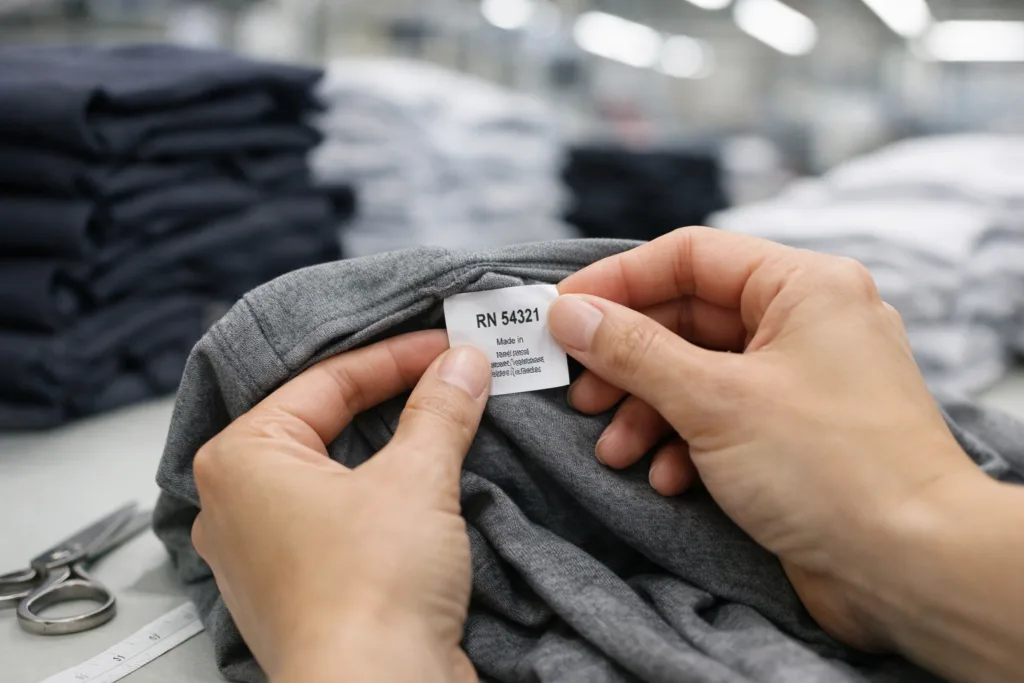
Transparency is crucial in today’s textile and consumer goods industries. RN Numbers give buyers and regulators confidence by making it easy to trace products to legitimate businesses. By tracking these numbers, parties can ensure that products meet specific safety, labeling, and compliance standards.
How RN Numbers Work for Consumer Goods
On most textile and clothing labels, you’ll notice a small “RN” followed by five or more digits. This number links directly back to a business registered with the FTC. Consumers can look up RN Numbers through the FTC’s online database, instantly identifying the company responsible for producing or marketing a garment. This system supports consumer protection by holding brands accountable for their products’ quality and claims.
Why RN Numbers Are Essential for Consumer Protection
RN Numbers help consumers make informed decisions. If a product is misbranded or doesn’t meet care label requirements, the RN Number allows regulators or customers to pinpoint the responsible party. This accountability encourages best practices in production, compliance, and product labeling. For a complete understanding of regional care guidelines, you may find this essential guide to care label laws very helpful.
Who Needs an RN Number?
Any business manufacturing, importing, distributing, or selling textile, wool, or fur products in the United States can use an RN Number. While it’s not mandatory, it is the simplest alternative to listing a full business name and address on every textile product. Many companies, particularly private labels and OEM/ODM apparel manufacturers, prefer using an RN Number for privacy and ease of recognition.
How to Apply for an RN Number
Applying for an RN Number is a straightforward online process on the FTC’s website. Businesses provide legal information—such as address, contact person, and company legal structure—and can receive an RN within a few days. The application is free, and the number remains valid unless it’s canceled or the business ceases operation.
Where Are RN Numbers Displayed on Products?
RN Numbers typically appear on product labels, alongside care instructions and fiber content. They can be found on:
- Main labels inside the garment
- Hang tags (external tags attached to the product)
- Packaging for home textiles, linens, or accessories
For tips on impactful hang tag design, check out these insider secrets for hang tag information.
The Legal Importance of RN Numbers in Labeling
Textile, fur, and wool acts require manufactured goods distributed in the U.S. to disclose the manufacturer or distributor. While the full name and address are allowed, the RN system simplifies this by providing a vetted alternative identification. Using an RN Number is completely legal so long as it is issued by the FTC and accurately represents the business.
RN Numbers vs. Other Product Identification Systems
Businesses may encounter several identification systems:
- RN Number: U.S.-specific for textiles, issued by the FTC
- CA Number: Canadian equivalent for textile labeling
- EIN: Employer Identification Number used for tax purposes, not product labeling
The main difference lies in their usage and region. RN and CA numbers specifically enhance transparency for textile products by supporting manufacturer identification, while systems like EIN or VAT are strictly for financial or tax records. Confusing these systems could lead to mislabeling and compliance issues.
How RN Numbers Increase Manufacturing Transparency
Being able to trace an RN Number is valuable in international supply chains. Retailers and consumers can check a product’s source before purchase, enhancing trust. Manufacturers sometimes use the same RN Number for multiple product lines, as long as the legal owner information stays consistent.
Typical Scenarios When RN Numbers Matter Most
RN Numbers become critically important during recalls, product quality investigations, or compliance audits. If a regulatory body finds a problem with a batch of textiles, the RN Number immediately connects the issue to its source, facilitating efficient problem resolution and communication.
How to Look Up an RN Number Online
Consumers, importers, and brands can easily search an RN Number on the FTC’s RN database. Simply enter the number and instantly retrieve associated business details. This open access encourages transparency and consumer confidence.
What Information Is Linked to an RN Number?
Each RN Number entry typically lists:
- Business name
- Address (physical or mailing)
- Contact information
- Other trade names (DBAs) associated with the company
This data makes it easy to track down the party responsible for a product claim or labeling issue.
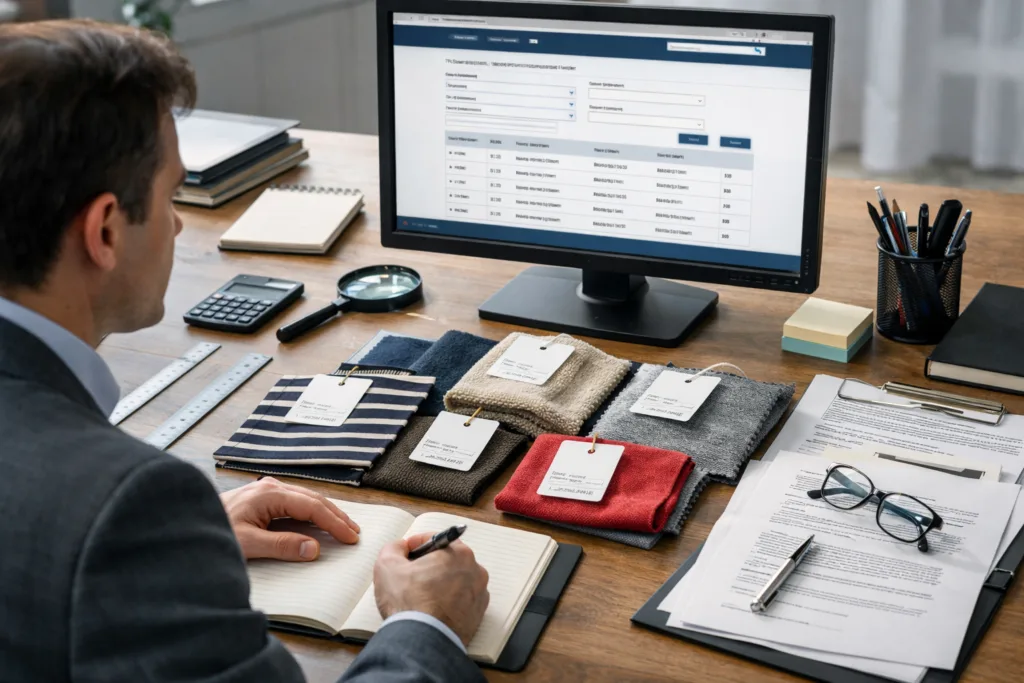
Timeline: RN Number Application to Labeling
After applying, businesses usually receive their RN Number within 3–5 business days. Labels can be printed with the RN Number immediately—no need to wait for physical paperwork. This helps streamline new product launches and labeling corrections.
What Happens If a Business Does Not Use an RN Number?
If a textile company opts not to use an RN Number, they must disclose their complete business name and address on every product label. This may be cumbersome and less private but is allowed if the business is registered. Failing to disclose either is a violation and can lead to fines, recalls, or product seizure.
The FTC’s Role in RN Number Regulation
The FTC (Federal Trade Commission) both issues RN Numbers and enforces correct usage through compliance audits and investigations. They maintain the online database, investigate misuse, and oversee labeling standards for compliance.
RN Number Misconceptions Clarified
Some brands mistakenly believe that RN Numbers are only for large corporations. In fact, any size business—even startups or designers—can register for an RN. Others think RN Numbers convey product certification; in reality, they only identify the responsible party, not quality or safety standards. Apparel Wiki sometimes addresses these misconceptions directly in manufacturing guides to reduce errors.
Label Placement Best Practices for RN Numbers
Carry your RN Number on the primary or care label, in a readable location that will not separate from the garment before purchase. Consistent placement is vital for inspection and consumer access. For more on label placement, see this guide: visibility matters for size tabs and origin labels.
Can a Company Have More Than One RN Number?
Businesses generally use one RN Number per legal entity. However, if a corporation owns separate subsidiaries or operates under different structures, it may have multiple RNs. Maintaining clear records of each number’s application prevents confusion during audits.
Updating or Canceling an RN Number
If a company moves, changes names, or sells its assets, updating the RN record is essential. This ensures continuity and prevents conflicts. RN Numbers not updated after business changes may be canceled, which prevents their use on new labels.
International Trade and RN Numbers
While RN Numbers are specific to U.S. trade, international brands importing goods to the U.S. must either use the RN system or display their full legal name and address on applicable product labels. Canadian products may use CA Numbers for their market, but should add RNs if sold in the U.S.
Common Mistakes and How to Avoid Them
Common RN-related blunders include transposing numbers, using an expired RN, or not updating business information. These errors can result in mislabeling and pullbacks. A detailed bill of materials (BOM) review, which also covers trims and branding elements, can help prevent labeling issues. See more on sourcing trims for your BOM.
RN Number and Private Labeling
Private label brands benefit from the RN system by legally marketing goods under their branding, while the manufacturer or importer’s responsibility is still traceable. This helps ensure compliance on both sides of the production process, whether sourcing domestically or overseas.
Record-Keeping Requirements
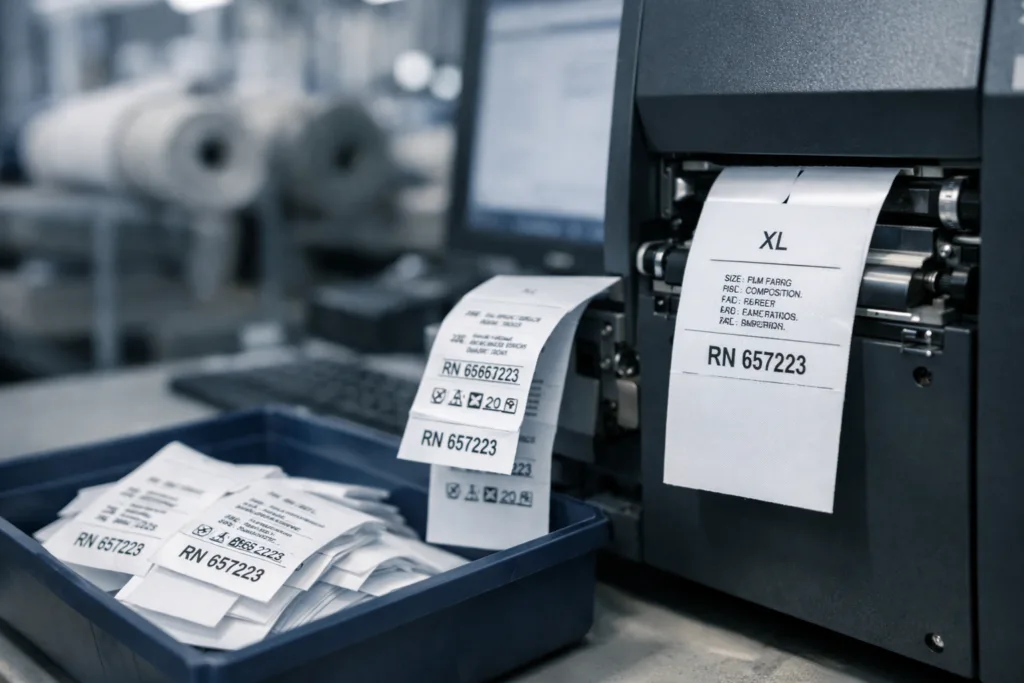
Companies must keep accurate records relating to RN Number usage, including label order proofs, supplier documents, and any correspondence with the FTC. These records support quality assurance and protect against disputes.
Frequently Asked Questions
Who assigns RN Numbers and how are they used?
The U.S. Federal Trade Commission assigns RN Numbers to businesses. Companies then use these numbers on product labels to identify themselves as the manufacturer, importer, or distributor of a textile good.
Is it mandatory to have an RN Number on all apparel labels?
No, but an RN Number can be used instead of a full company name and address. If an RN isn’t used, full details must be provided to comply with U.S. labeling laws for textiles.
How do I verify the legitimacy of an RN Number?
You can confirm any RN Number by searching the FTC’s online RN database, checking for up-to-date business name and contact details.
What happens if I use an incorrect or expired RN Number on labels?
Using inaccurate or expired RNs can result in regulatory penalties, product recalls, or removal from sale. Always ensure the RN information is current and matches the registered entity.
Are RN Numbers unique to each product line or brand?
RN Numbers are unique to the business entity—not to specific products or brands. Multiple product lines under one company can use the same RN Number if they share ownership.
Can international companies selling in the U.S. use the RN Number system?
Yes, foreign brands distributing textile goods to the United States can apply for and use RN Numbers on their labels for legal compliance and traceability.