Choosing between piece dyeing and yarn dyeing is not just a color decision. It affects fabric appearance, unit cost, development time, order flexibility, minimum order quantity, and the kinds of patterns a mill can produce. For apparel buyers and product teams, the right method depends on whether the priority is a clean solid shade, a stripe or plaid effect, color consistency across lots, or a specific handfeel after finishing.
For readers who want to ground the comparison in fabric construction first, this overview of plain, twill, and satin fabric structures is useful because weave structure influences how dye is absorbed, how the surface appears after dyeing, and which garments are realistic candidates for each method. In practice, dyeing choice works together with fiber content, yarn structure, and fabric construction, so understanding the base fabric helps buyers ask better questions during sourcing and sampling.
At a high level, Piece Dyeing vs. Yarn Dyeing comes down to when color is applied. Piece dyeing colors fabric after it has already been woven or knitted, while yarn dyeing colors the yarn before the fabric is made. That timing changes everything from pattern possibilities to cost structure, and it also affects how easily a supplier can move from lab dip to bulk production.
What Is Piece Dyeing?
Piece dyeing is the process of dyeing fabric in its assembled form, after weaving or knitting. The fabric is usually produced first in greige state, then dyed as one continuous length or in large batch lots. This method is common for garments that need one uniform color across the entire fabric surface, such as many T-shirts, fleece styles, sweatshirts, and basic knit tops.
From a buyer’s perspective, piece dyeing is often the simpler route when the end product is a solid color and the same base fabric may be offered in multiple shades. Because the fabric is dyed after construction into fabric, mills can often respond more flexibly to color changes than they can when the yarn itself must be pre-colored. This can help with assortment planning, but it also means the final result is sensitive to dye uptake, finishing, and bulk lot control.
How piece dyeing works in the manufacturing process
In a typical workflow, yarn is spun, fabric is knitted or woven, and then the greige fabric goes through preparation steps such as scouring, bleaching, or washing before it is dyed. After dyeing, the fabric may be rinsed, heat-set, softened, or otherwise finished to reach the target shade and handfeel. The exact sequence depends on fiber type, fabric structure, and desired performance.
One reason piece dyeing is widely used is that it simplifies pattern development at the fabric stage. The mill does not need to synchronize multiple pre-dyed yarns to create a visual effect, so the process is better suited to bulk solids than to engineered stripes or classic woven checks. If the order involves color standards, buyers should pay close attention to lab dips, shade bands, and bulk approval because the fabric color can shift with processing conditions.
For sourcing teams reviewing the planning timeline, the guide to lead times across fabric, sampling, and bulk production helps explain where dyeing fits into the development calendar. That matters because piece dyeing can still require lab work, strike-offs, and bulk shade approval, even if the process appears simpler than yarn dyeing on paper.
What Is Yarn Dyeing?
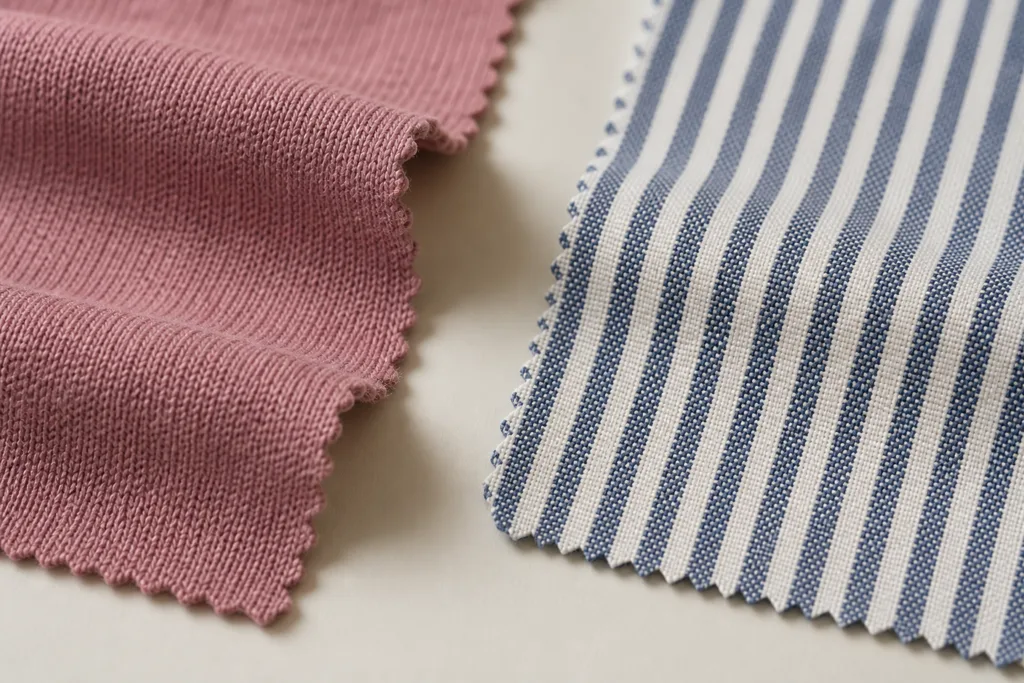
Yarn dyeing means the yarn is dyed before it is turned into fabric. The yarn can be dyed in packages, hanks, or other forms depending on the mill setup and fiber type. Once dyed, those yarns are woven or knitted into fabric, which is why this method is essential for designs where the color needs to exist at the yarn level rather than only on the finished cloth.
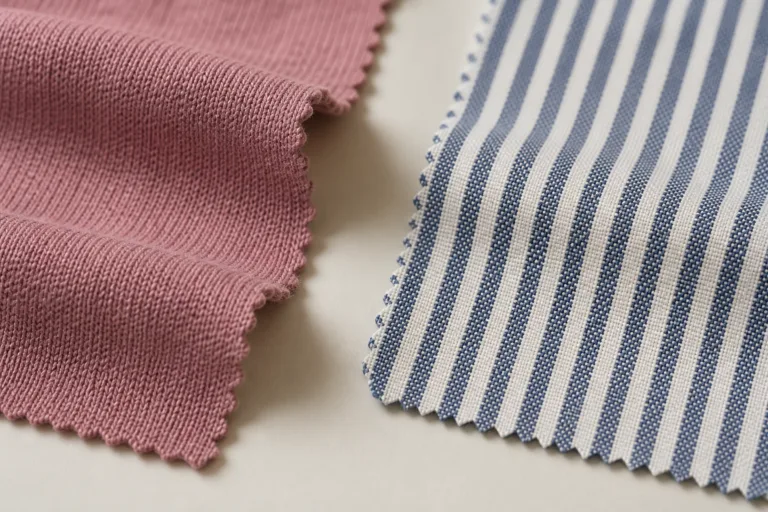
Yarn dyeing is most associated with fabrics that show clear color structure, such as stripes, checks, plaids, melanges, and certain denim constructions. In those cases, the visual pattern is created by arranging colored yarns in the weaving or knitting stage, not by printing or surface treatment after the fabric is made. That makes yarn dyeing a structural color method rather than a surface color method.
Apparel Wiki notes that buyers often confuse yarn-dyed fabric with printed fabric because both can look patterned from a distance. The difference is important: yarn-dyed patterns usually show color continuity through the fabric structure, while prints are applied to the surface. This difference affects edge clarity, reverse-side appearance, and long-term wear behavior.
How yarn dyeing works in the manufacturing process
In yarn dyeing, the yarn is first prepared, then dyed, then dried and conditioned before being sent to weaving or knitting. This means the mill has to plan color selection earlier in the product development cycle. Yarn shade matching can be more complex than piece-dye shade matching because each yarn lot must be consistent enough to produce the intended pattern once the fabric is made.
The process also introduces more planning requirements for order size and sequence. If a fabric needs multiple yarn colors for a stripe or plaid repeat, each color must be controlled individually. That is why yarn dyeing is often associated with higher coordination effort, especially for narrow lot orders or fast-moving fashion timelines. For technical context on the process itself, CottonWorks provides a concise explanation of how yarn dyeing works before the fabric is woven or knitted.
Key Differences Between Piece Dyeing and Yarn Dyeing
The most practical way to compare Piece Dyeing vs. Yarn Dyeing is to look at the production point, the design outcome, and the sourcing implications.
| Comparison factor | Piece dyeing | Yarn dyeing |
|---|---|---|
| When color is added | After fabric is woven or knitted | Before fabric is made |
| Typical visual result | Solid, uniform color | Stripes, checks, plaids, melanges, denim effects |
| Pattern flexibility | Limited to solid or surface effects | Strong for woven and knit patterns built from colored yarns |
| Development complexity | Moderate | Higher because yarn colors must be controlled early |
| Cost behavior | Usually lower for simple solid fabrics | Often higher because of extra yarn preparation and coordination |
| Lead time impact | Generally shorter and easier to schedule | Often longer due to more steps and pattern planning |
| Best use case | Basics, uniforms, many knit garments | Patterned shirts, coordinated checks, woven fashion fabrics, denim structures |
The right choice is rarely about which method is universally better. It is about which method produces the target fabric with the least production risk and the best cost-performance balance. A buyer sourcing a basic retail T-shirt is solving a different problem than a buyer developing a yarn-dyed striped polo or a checked woven shirt.
Cost Comparison: Raw Material, Processing, and Total Garment Impact
Piece dyeing is often cheaper for plain solid fabrics because it reduces the number of early process steps and avoids managing multiple pre-colored yarns. The mill can produce greige fabric in larger volumes, then apply color in a more standardized way. That can improve efficiency for basics and reduce complexity in fabric inventory planning.
Yarn dyeing usually raises processing cost because the yarn must be dyed before fabric formation. There are additional handling steps, color control requirements, and planning constraints around pattern repeat. If the product needs several yarn colors, the labor and coordination burden increases further. For some designs, the cost is justified by the visual value of the pattern, but it should not be treated as a low-complexity alternative.
At the garment level, cost is affected by more than the dyeing step itself. Fabric yield, defect rate, color approval time, and whether the fabric is knit or woven all influence total landed cost. A slightly cheaper fabric quote can become expensive if it creates delays, high shade rejection, or rework during cutting and sewing. That is why sourcing teams should evaluate dyeing method alongside construction, order size, and final garment category rather than in isolation.
For a broader costing lens that connects fabric choice to pricing structure, the guide to garment costing models and pricing structure is helpful when a team needs to separate material cost, processing cost, and factory service cost in a production quote.
Quality Analysis: Color Depth, Pattern Clarity, Handfeel, and Durability
Quality outcomes differ in ways buyers can actually see and feel. Piece-dyed fabric usually gives a uniform tone across the full surface, which is ideal when the design calls for a clean, consistent shade. Yarn-dyed fabric can deliver richer structural pattern effects, sharper stripes, and more authentic woven plaid appearance because the color is built into the yarn arrangement.
Color depth is not automatically superior in yarn dyeing or piece dyeing. The result depends on fiber type, dye class, fabric construction, and finishing. However, yarn-dyed patterns often hold visual interest better because the design is embedded in the structure of the fabric. Piece-dyed goods, by contrast, are more dependent on surface uniformity and bulk shade consistency.
Handfeel can also differ after processing. Some piece-dyed knits may feel softer because the fabric can be finished after dyeing to achieve a desired drape or surface touch. Yarn-dyed woven fabrics may feel crisper or more structured, depending on the yarn and weave. For knits, post-processing can create issues such as distortion at necklines or edges if the fabric relaxes unevenly, which is why buyers should also review how the fabric behaves after finishing. The article on common performance issues in knit fabrics after processing is relevant when evaluating whether a dyed knit will maintain its shape and appearance after repeated wear and washing.
Durability depends on many factors, but yarn-dyed fabrics often have a visual advantage in patterned garments because the color is less reliant on a surface print layer. Still, wear resistance, shrinkage behavior, and colorfastness must be tested rather than assumed. A well-controlled piece-dyed solid can outperform a poorly controlled yarn-dyed pattern if the supplier’s process control is stronger in the former.
To reduce surprises, buyers should request testing or confirmation for shrinkage, colorfastness, and dimensional stability where the end use is sensitive to appearance retention. The method choice affects what is likely to go wrong, but quality control still depends on the mill’s process discipline.
Fabric Types Best Suited for Piece Dyeing
Piece dyeing is commonly used for many knitted fabrics and some woven fabrics where the design calls for a uniform color. This includes jersey, fleece, interlock, French terry, sweatshirt fleece, and numerous everyday cotton or cotton-blend fabrics. It also works well for garment categories where the same style is produced in multiple colorways and the buyer values flexibility over intricate fabric patterning.
Piece dyeing is especially practical when the fabric will be cut into garments with many panels and the color only needs to be consistent across each panel. In these cases, the method supports efficient development because the mill does not need to maintain a multi-yarn pattern specification. It is also common when brands want to test color performance across several seasons without committing early to a full yarn-dyed fabric program.
For textile selection discussions involving fiber behavior, the comparison of virgin and recycled polyester for dyeing decisions can help when the product team must decide how fiber choice affects color uptake, performance, and sustainability trade-offs in dyed fabrics.
Fabric Types Best Suited for Yarn Dyeing
Yarn dyeing is a natural fit for woven shirting fabrics, classic plaids, checks, stripes, denim constructions, and some decorative knits where the visual effect is created by the arrangement of colored yarns. It is often selected when the design language itself depends on the color pattern being integrated into the fabric structure.
For woven shirts, yarn-dyed checks and stripes usually offer cleaner color placement and more authentic pattern depth than surface methods. In denim, different yarn-dyeing approaches can create the appearance and fading behavior that buyers associate with the category. In knits, yarn-dyed stripes and engineered patterns can create a more premium or textural look, but only if the yarn and stitch construction are well controlled.
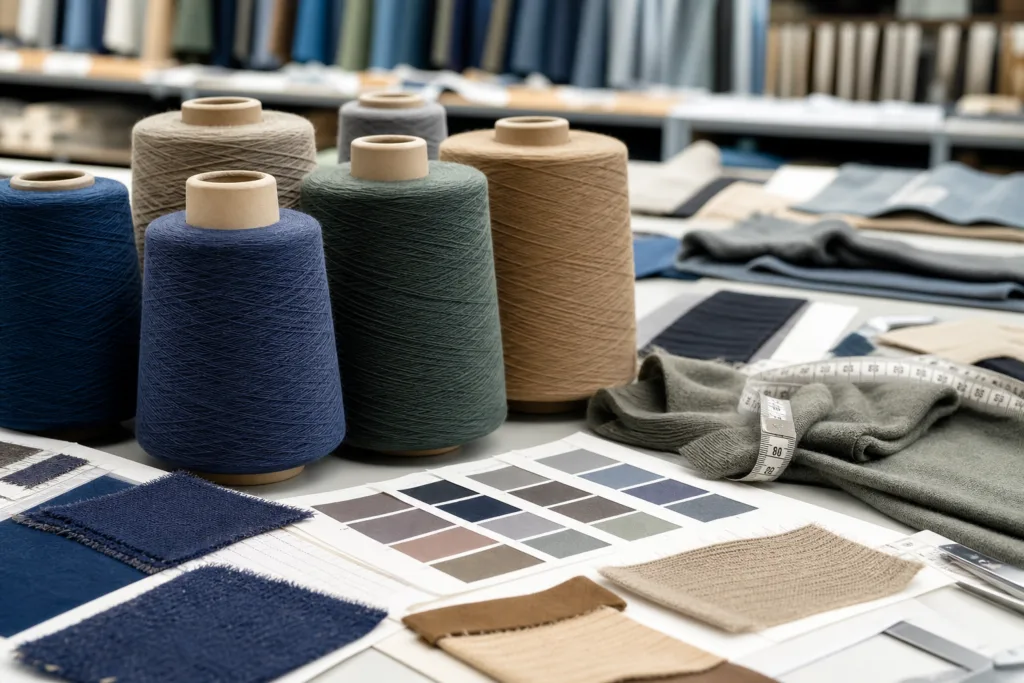
When a product team is defining a fabric concept, it helps to think about whether the visual effect should survive fabric turning, cutting, and seam placement. Yarn-dyed fabrics often preserve the intended visual identity better at the garment level because the pattern is already built into the cloth rather than added later.
Lead Time and Production Planning Implications
Lead time is a major deciding factor in Piece Dyeing vs. Yarn Dyeing. Piece dyeing usually offers a simpler route because the fabric can be made first and colored later, which gives mills more flexibility in planning. Yarn dyeing takes longer because the yarn must be prepared and dyed before fabric construction even begins. If multiple colors are involved, the planning timeline becomes more sensitive to sequence and approval delays.
This is not only a fabric issue; it is a calendar issue. If the buyer needs fast seasonal delivery, the extra steps in yarn dyeing can create risk. If the product is a replenishment basic with stable demand, the longer preproduction window may be acceptable because the design gains value from the patterned appearance. For broader planning context, Apparel Wiki’s how production timelines shape apparel manufacturing choices resource explains why timeline strategy matters when a category must balance speed, complexity, and order size.
Sampling can also be slower with yarn dyeing, especially when pattern repeats, stripe widths, or yarn color combinations must be approved. Piece dyeing may still require lab dips and bulk shade approvals, but the overall production path is usually less dependent on multi-color synchronization. Buyers should schedule approvals early and leave enough time for shade matching, because late color changes are more disruptive in yarn-dyed programs.
Sustainability Considerations: Water, Energy, and Waste Factors
Sustainability does not automatically favor one method in every case, but the production pathway matters. Yarn dyeing can create different resource demands than piece dyeing because it adds early processing steps and can involve more color preparation work. Piece dyeing may be more efficient for some bulk solid-color programs, especially when mills are equipped to run standardized batches with better process control.
What matters most is process efficiency, right-sized batch planning, and how much rework or shade rejection occurs. A well-managed yarn-dyed program may be more responsible than a poorly controlled piece-dyed program that generates excessive off-shade fabric. Likewise, a piece-dyed item may be the better environmental choice if it avoids unnecessary complexity and supports cleaner throughput.
The U.S. Environmental Protection Agency’s textile industry manual discusses process selection, batch considerations, and pollution-prevention thinking in textile wet processing, which is useful context for buyers weighing what drives cost, lead time, and sustainability in textile dyeing. In sourcing terms, the most sustainable option is usually the one that matches the product brief without introducing avoidable process waste.
How Dyeing Method Affects Product Categories
The garment category often tells you which method is more logical. T-shirts, sweatshirts, joggers, and many basic knit programs commonly use piece dyeing because a solid color is sufficient and colorway flexibility matters. Polo shirts may use piece-dyed solids or yarn-dyed stripes depending on brand positioning. Woven shirts, especially checks and stripes, often rely on yarn dyeing because the pattern is part of the fabric identity. Denim uses yarn dyeing or related yarn-color methods to create its distinctive look and fade character.
For buyers, the question is not whether a category can use one method or the other. It is whether the chosen method supports the visual and performance expectations of the category. A stripe that should align across plackets, pockets, and seams needs tighter planning than a solid tee. That is why product development teams should treat dyeing as part of the garment specification, not as a last-minute fabric detail.
Apparel Wiki also reminds readers that broader textile knowledge helps with garment decisions, which is why the Apparel Wiki homepage can be a useful starting point when a team needs to connect dyeing method, fabric type, fit, and construction into one development workflow.
Common Misconceptions and Mistakes
One common mistake is assuming yarn dyeing is always higher quality. It can create premium-looking patterns, but quality depends on execution. Another misconception is that piece dyeing is only for low-end products. In reality, many technically demanding basics use piece dyeing because the method is efficient and consistent when the product brief is a solid color.
Another error is selecting a dyeing method before confirming fabric construction and fiber content. Some fibers hold dye differently, some fabrics distort after finishing, and some patterns only work when the yarn is colored before weaving or knitting. Buyers also sometimes underestimate how much time color approvals require. A late shade revision can be harder to absorb in a yarn-dyed program than in a simpler solid fabric program.
It is also easy to overlook matching issues between lab dips, strike-offs, and bulk fabric. If the buyer only approves a sample without understanding how the supplier will scale the process, the bulk result may differ from expectations. This is one of the most frequent reasons for production frustration in dyed fabric programs.
For that reason, apparel teams should compare the full process path, not just the finished swatch. In sourcing practice, a fabric decision should be paired with a realistic review of approvals, machine constraints, and the factory’s ability to repeat the result at scale.
Real-World Decision Scenarios
Consider a startup launching a six-color essential tee line. If the style is a basic solid T-shirt with no pattern requirement, piece dyeing is likely the more practical choice because it supports quick colorway expansion and simpler sourcing. The risk is lower and the process aligns with the product goal.
Now consider a brand developing a woven shirt with thin colored stripes that must line up across the pocket and placket. Yarn dyeing is more appropriate because the pattern is created in the fabric structure. Using piece dyeing here would not solve the design requirement; it would only produce a solid fabric that lacks the intended visual identity.
A third example is a knit polo that needs a heathered or melange look. Depending on the result desired, yarn dyeing may be preferred because colored yarn combinations can create a more integrated surface effect. But if the program needs speed and the visual effect can be achieved through other means, piece dyeing may still win on lead time and cost.
Decision Framework: When to Choose Piece Dyeing vs. Yarn Dyeing
A practical decision framework is to work backward from the garment brief.
- If the design needs a solid, uniform color, piece dyeing is usually the first option to evaluate.
- If the design needs stripes, checks, plaids, or yarn-level visual texture, yarn dyeing is usually the more appropriate method.
- If lead time is tight and the pattern requirement is simple, piece dyeing often reduces scheduling pressure.
- If the garment must look patterned at the fabric level rather than printed on the surface, yarn dyeing is often necessary.
- If the buyer wants easier colorway expansion across basics, piece dyeing often provides more flexibility.
- If the garment category depends on classic woven aesthetics or engineered visual structure, yarn dyeing is often worth the extra planning.
The best sourcing decision is usually the one that aligns the dyeing method with the final use, not the one that looks cheapest in a single line item. A slightly higher fabric cost may be justified if it reduces sampling risk, improves the visual result, or prevents pattern failures in bulk.
Buyer Checklist for Evaluating Dyeing Method Options
Before approving a fabric direction, buyers and product developers should ask a few focused questions:
- Does the garment need a solid color, or does it need a built-in pattern?
- Is the fabric knit or woven, and how will that affect dye uptake and structure?
- What is the expected lead time for fabric, sampling, and bulk?
- How many colorways or yarn colors are needed?
- What shade tolerance is acceptable for the target market?
- Will the fabric be washed, stretched, or worn in a way that may affect appearance retention?
- Does the factory have repeated success with this fabric type and dyeing method?
- Are the cost savings from one method large enough to offset the quality or timing risk?
When teams document these answers in a tech pack and supplier brief, they reduce confusion later in development. A clear specification helps the mill quote the right process and helps the buyer compare apples to apples across suppliers.
Conclusion
Piece Dyeing vs. Yarn Dyeing is ultimately a trade-off between simplicity and structural pattern potential. Piece dyeing is usually the stronger choice for solid-color garments, faster development, and flexible color assortment planning. Yarn dyeing is the better choice when the garment depends on stripes, checks, plaids, or other fabric-level visual effects that cannot be achieved cleanly after the cloth is made.
For apparel buyers, the right answer comes from the product brief, not from a blanket rule. Evaluate cost, lead time, quality expectations, fiber behavior, and the final use scenario together. That approach leads to better sourcing decisions, fewer approval surprises, and a more reliable outcome in bulk production.
FAQs
Is piece dyeing always cheaper than yarn dyeing?
Not always, but it is often cheaper for solid-color fabrics because it avoids pre-dyeing multiple yarns and simplifies the process flow. The final price still depends on fiber content, fabric construction, order size, finishing, and how much shade control is needed.
Which method gives better color quality?
Neither method is automatically better in every case. Piece dyeing can give very good solid-color consistency, while yarn dyeing can deliver stronger fabric-level pattern definition. Quality depends on process control, fiber behavior, and how well the method matches the product brief.
Can yarn dyeing be used for knit fabrics?
Yes. Yarn dyeing can be used for many knit fabrics, especially when the garment needs stripes, melange effects, or other yarn-built visual structures. The key is making sure the stitch structure and finishing process support the intended appearance.
Why does yarn dyeing usually take longer?
Yarn dyeing adds a step before fabric construction, and multi-color programs require careful coordination of yarn shades and repeats. That extra planning makes the process more time-sensitive than piece dyeing in many cases.
How do I decide between the two for a new clothing line?
Start with the desired visual effect, then check cost, lead time, and fabric suitability. If the product needs a solid color, piece dyeing is usually the practical choice. If the product depends on stripes, checks, or woven pattern structure, yarn dyeing is often the correct route.
What should I ask a supplier before approving the dyeing method?
Ask about fabric type, shade tolerance, sampling timeline, bulk lead time, color consistency controls, and the factory’s experience with similar constructions. It is also wise to confirm how the chosen dyeing method affects MOQ, re-dye risk, and final handfeel.