Introduction to Basic Weaves Explained: Plain, Twill, and Satin
Woven fabrics are everywhere, from the jeans you wear to the finest satin sheets. Yet, most people know little about the basic weaves that create these textiles. In this guide—Basic Weaves Explained: Plain, Twill, and Satin—we unravel the secrets behind the core weaving techniques shaping garments, upholstery, and even industrial materials. Understanding plain, twill, and satin weaves isn’t just for textile engineers; it’s practical knowledge for designers, sourcing specialists, and anyone curious about fabric construction. Let’s explore their characteristics, history, and real-world applications.
What Is Weaving? Defining Textile Construction
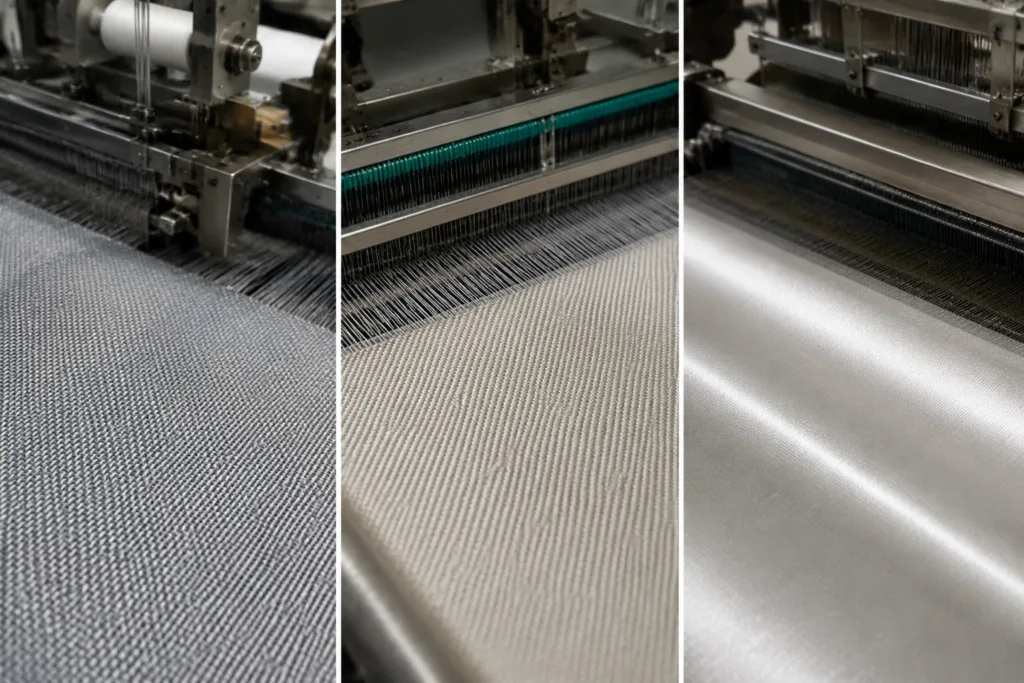
Weaving is the process of interlacing two sets of yarns—warp and weft—at right angles, creating a fabric. This method has been central to fabric manufacturing for thousands of years, forming the backbone of everything from ancient tapestries to modern apparel. Warp refers to the lengthwise yarns held in tension, while weft describes the threads woven across. Weaving lays the foundation for different fabric structures, influencing everything from durability to drape.
The Origins and Evolution of Weaves
Historical evidence shows weaving existed as far back as 7000 BCE. Early humans used reed looms to create simple basket-like textiles, evolving over centuries into sophisticated techniques. By the Middle Ages, invention of mechanical looms enabled mass production. Today, weaving adapts to new fibers, sustainability demands, and fashion trends—retaining its importance across cultures.
Understanding Plain Weave: Structure and Properties
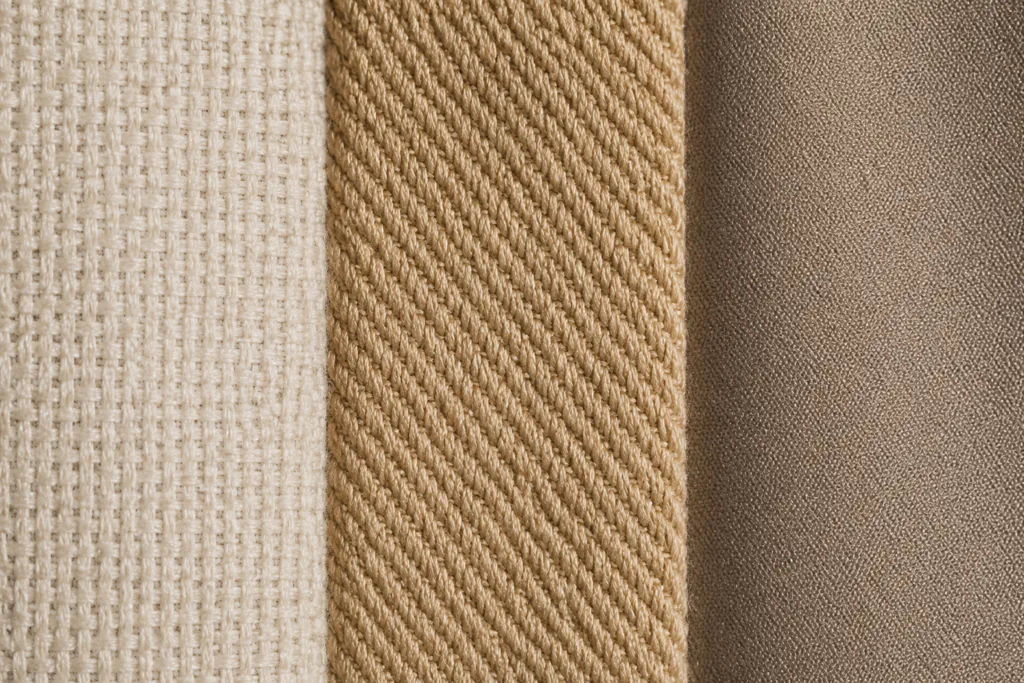
Plain weave is the simplest and most common weave structure. Each weft thread passes alternately over and under each warp thread, forming a tight crisscross. This results in a balanced, strong fabric with a checkerboard appearance. Plain weave is used for cotton poplin, muslin, and organza.
- Structure: One-over, one-under interlacing
- Strength: High due to tight bonds
- Aesthetics: Crisp, matte, clearly defined surface
- Applications: Shirts, bed linens, medical gauze
Twill Weave: Distinctive Texture and Visual Effects
Twill weave is easily recognized by its diagonal lines, created by passing the weft thread over one or more warp threads and then under two or more. The offset pattern produces a series of visible ridges, resulting in a durable, flexible fabric.
- Structure: Over two, under two (or variations)
- Strength: Excellent, resistant to wrinkles
- Aesthetics: Visible diagonal “wale”, texture
- Applications: Denim jeans, workwear, chino pants
Satin Weave: Smoothness and Sheen
Satin weave produces a glossy surface by floating the weft yarn over several warp threads before tucking under one. This minimizes interlacings, allowing light to reflect smoothly, creating a luxurious finish. Satin fabrics are prized for their softness and lustrous appearance.
- Structure: Over four, under one (common)
- Strength: Moderate, snags easily
- Aesthetics: Shiny, fluid drape, elegant
- Applications: Evening gowns, linings, decorative cushions
Comparison Table: Plain vs. Twill vs. Satin Weaves
| Property | Plain Weave | Twill Weave | Satin Weave |
|---|---|---|---|
| Structure | One-over, one-under | Diagonal, double-over | Long float, four-over |
| Strength | High | Excellent | Moderate |
| Drape | Crisp | Flexible | Fluid |
| Aesthetic | Matte, uniform | Textured, diagonal lines | Glossy, sleek |
| Uses | Shirts, towels | Jeans, jackets | Dresses, linings |
Basic Weaves Explained: Plain, Twill, and Satin
These three basic weaves are the foundation for countless textile types. Plain weave sets the standard for basic fabrics, valued for durability and clarity. Twill weave adds depth with its diagonal pattern, offering better movement and abrasion resistance. Satin weave is chosen for aesthetics—creating pieces where luxury and drape matter. Combining these fundamental structures with different fibers (such as cotton, silk, or polyester) unlocks varied performances and styles for every application.
Visual Guide: How to Spot Each Weave
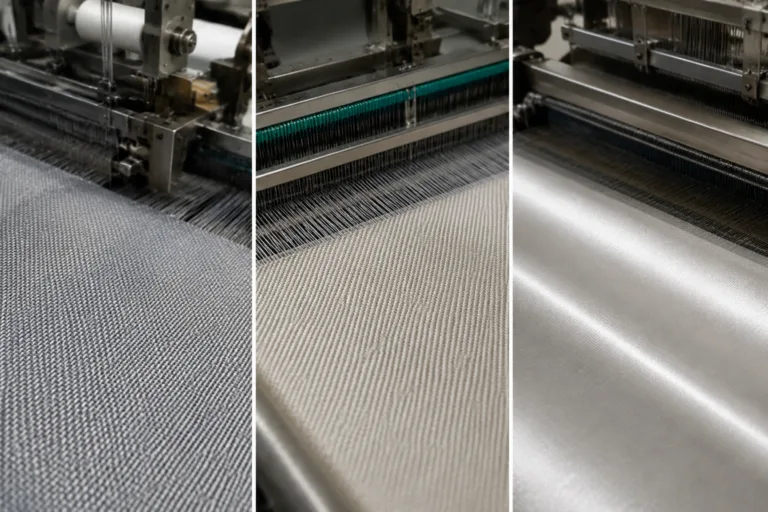
One practical skill is differentiating basic weaves by eye and touch. For plain weave, look for a checkerboard grid. Twill weave features diagonal lines—often seen in denim. Satin weave feels slippery, with clear shine and fewer visible crossings. Apparel Wiki’s guides often use close-up photographs and fabric swatches to teach these distinctions.
Fiber Types and Their Relationship to Weave Structure
The characteristics of a weave dramatically change based on fiber types used. Natural fibers like cotton and linen create strong, breathable plain weaves, while silk introduces extra sheen in satin. Synthetics like polyester and spandex can enhance durability or stretch, and their behaviors adapt with the choice of weave. To compare fiber properties and sustainability aspects, see our resource on natural vs. synthetic fibers.
Plain Weave Examples in Fashion and Interiors
Plain weaves dominate products requiring strength and breathability. Common garments include button-down cotton shirts and basic trousers. Interiors rely on plain weave for curtains, bed sheets, and upholstery. Its tight structure resists tearing and stands up to repeated washing.
Twill Weave Applications: Durable, Flexible Design
Twill weave is a favorite for heavy-duty textiles. Denim is perhaps its most recognized form, prized for its tough diagonal rib and resistance to stains. Twills also appear in suit fabrics, work uniforms, and even outerwear. Chinos are stylish twill slacks with a softer hand.
Satin Weave Uses: Luxury, Comfort, and Aesthetics
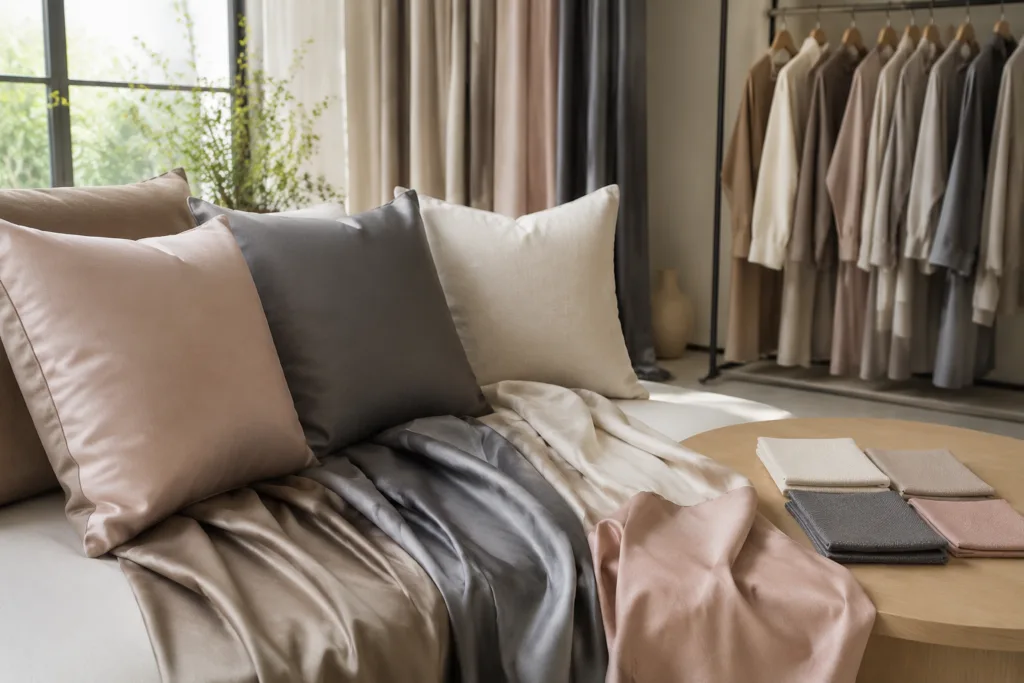
The satin weave’s unique finish makes it popular for occasions where visual appeal matters. Evening apparel, lingerie, formalwear, and luxury bedding often feature satin. Interior designers use satin for decorative pillows, draperies, and statement pieces. The surface is smooth but can snag under rough use.
Specialty Weaves: Beyond Basic Structures
Though most textiles rely on plain, twill, or satin weaves, specialty variations exist. Basket weave doubles plain structure for extra thickness. Herringbone and houndstooth are twill derivatives with distinct visual effects. Jacquard integrates intricate patterns, while dobby adds small geometric motifs. To learn more about identifying specialty constructions, visit knit vs. woven: how to identify and when to use.
How Weave Type Impacts Durability and Performance
The weave chosen determines how well a fabric performs. Plain weaves are dense, ideal for daily use and frequent laundering. Twill’s structure is inherently tough, resisting wrinkles and abrasion. Satin weaves, while elegant, are more vulnerable to snags and require gentler care. The choice impacts longevity, maintenance, and comfort.
Color, Pattern, and Visual Effects in Weaves
Most weaves support creative color effects. Plain weave is excellent for prints and solid colors. Twill hides stains and can show beautiful gradients. Satin’s surface enhances light reflection, boosting color depth. Fabric designers exploit these properties to achieve specific aesthetic goals.
How Weaving Technology Has Advanced
Modern looms automate complex weave patterns, expanding possibilities for mass production and customization. Computer-controlled weaving ensures consistency and minimizes defects, while innovative fibers enable blends and new textures. For eco-conscious creation, see our article on future fibers.
Sustainable Considerations in Basic Weaves
With sustainability now central in apparel, weave choice matters. Plain and twill weaves tend to use less resource-intensive finishing, and are compatible with mono-material recycling. Satin, due to its style, may require additional processing. Apparel Wiki recommends choosing durable weaves and responsible fibers for longer garment life and easier recycling. Explore deeper insights on sustainable innovation in cellulosic fibers.
Common Misconceptions About Weave Structures
Some believe weave alone defines fabric quality, when fibers, finishing, and thread count often matter more. Others confuse weaving with knitting, which forms fabrics through loops, not interlacing. Apparel Wiki emphasizes checking both weave and fiber for accurate garment evaluation.
Key Factors for Choosing the Right Weave
- End use: Consider abrasion, drape, and appearance
- Fiber compatibility: Not all fibers suit every weave
- Care needs: Plain weaves are easiest to wash
- Design goals: Twill and satin offer more visual impact
Plain, Twill, and Satin Weaves in Apparel Production
Manufacturers use these basic weaves for everything from mass-market T-shirts to high-end dresses. The right choice ensures the finished garment meets durability, comfort, and stylistic standards. For efficient manufacturing and quality control, see fabric converters and apparel manufacturing tools.
Testing and Quality Control in Weave Manufacturing
Factory quality control teams routinely test fabrics for strength, pilling, colorfastness, and dimensional stability. Defects in weave—like missed threads or loose floats—can compromise both look and function. Regular inspection and standardized testing are essential, especially for high-volume orders.
Practical Tips: Identifying Weave Types by Hand and Eye
Feeling the fabric and examining its structure can quickly tell you whether it’s plain, twill, or satin. Plain weaves feel firm and simple; twills are softer and show diagonal texture; satins are slippery, with a distinctive sheen. Swatch books and magnifying glasses help in factory and design studio settings.
Basic Weaves and Their Role in Interior Design
Interior designers choose weaves for the interplay of light, comfort, and durability. Plain weave delivers everyday functionality. Twill weaves add texture and hide stains, ideal for sofas or curtains. Satin brings a glamorous element to cushions and drapes, catching and reflecting room illumination.
Connecting Weave Choice to Sustainability and Design Longevity
A good weave choice can delay fabric wear and simplify recycling. Plain weaves are robust, making them well-suited to long-lasting products. Twill’s resistance to wrinkles reduces the need for ironing, saving energy. Both are favored in minimalist construction approaches to reduce seams and trims.
The Future of Basic Weaves in Textile Arts
Textile innovation continues, but basic weaves remain at the core of fabric construction. New blends and smarter weaving technology promise to keep plain, twill, and satin relevant—whether for clothing, technical applications, or creative arts. Learning these fundamentals is the gateway to designing smarter, more enduring products.
Frequently Asked Questions
How can I identify plain, twill, and satin weaves by touch?
Plain weave feels crisp and tight, twill has a soft, diagonal rib, and satin feels slick and smooth with a shiny surface.
Why is twill weave used for denim jeans?
Twill’s diagonal structure enhances durability and flexibility, making it ideal for tough, high-wear denim fabrics.
Does weave type affect fabric breathability?
Yes, plain weave typically offers the best breathability, while twill and satin can vary depending on fiber and tightness.
Are satin weaves harder to care for than other weaves?
Satin tends to snag and requires gentler handling, making it less practical for heavy-use products but excellent for luxury items.
Can sustainable fibers be used in all basic weaves?
Most sustainable fibers, like organic cotton or Tencel, can be used for plain, twill, or satin, though satin may need finer yarns for good shine.
What’s the difference between weaving and knitting?
Weaving interlaces threads at right angles, while knitting forms fabrics using loops, resulting in different textures and performance.
Related Reading
- Mastering Knit vs. Woven: Spot, Choose, and Apply Fabrics
- Discover the Critical Comparison: Natural vs. Synthetic Fibers
- Explore Sustainable Textile Futures: Bio-Based Fiber Breakthroughs
- Unlock Cellulosic Fibers: The Rise of Eco-Friendly Apparel
- Essential Fabric Converters & Manufacturing Tools for Apparel
- Minimalist Construction: Boost Efficiency and Sustainability in Apparel