Introduction: Why Minimalist Construction Matters
In today’s design landscape, minimalist construction: reducing seams and trims is more than just a visual trend. It’s an approach that shapes how metal products, interiors, and architecture serve both people and our planet. By paring down excess seams and trims, makers create pieces that look clean, last longer, and waste less material. This streamlined method is quickly becoming a favorite in industries seeking durability and resource efficiency without sacrificing style or function.
Understanding Minimalist Construction: Reducing Seams and Trims
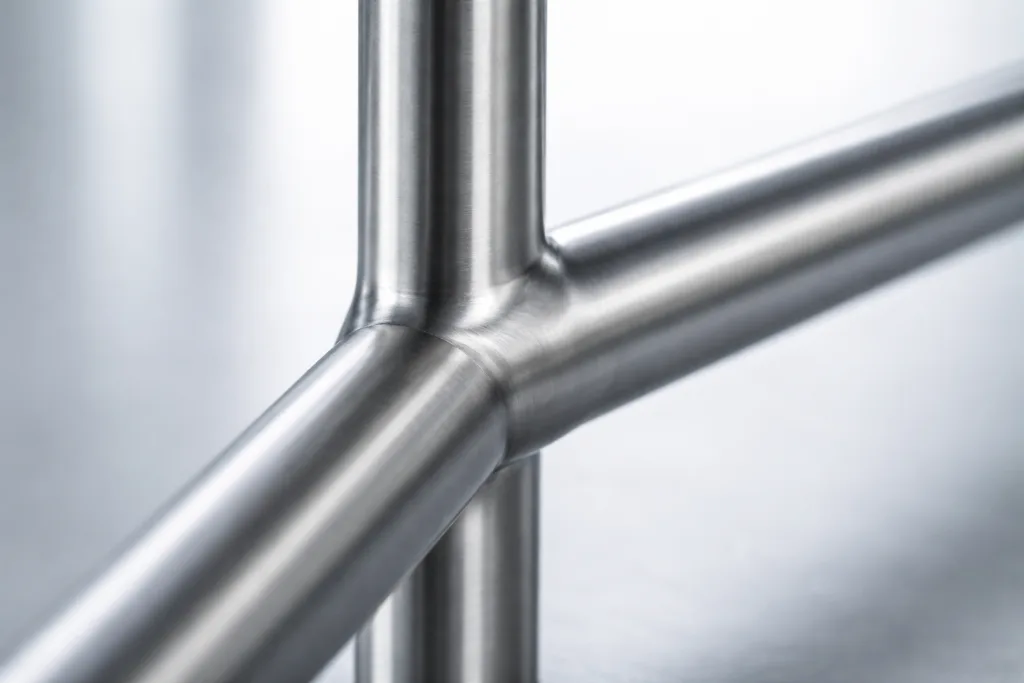
At its core, minimalist construction is about focusing on essentials. By reducing seams—those interruptions in surfaces where two parts join—and eliminating unnecessary trims, designers achieve visual clarity and manufacturing simplicity. In metal fabrication, this might mean jointless welds, while in apparel, it refers to seamless finishes or mono-material garments. Across all sectors, the benefits include lower production costs, less waste, and improved product lifespan.
The Aesthetics of Reducing Seams and Trims
The smooth, continuous surfaces achieved through minimalist construction invite the eye to appreciate a product’s true form. Products feel less cluttered, putting emphasis on quality, materials, and function. Many leading furniture and industrial designers now favor these clean lines, finding that less truly is more when it comes to both appearance and engineering.
Efficiency Gains: Why Fewer Seams and Trims Matter
Cutting down on seams and trims isn’t just about looks; it’s a direct path to improved efficiency. With fewer pieces to join or cover with trim, manufacturers spend less on labor and material. This efficiency speeds up assembly, eases quality control, and makes products more reliable because there are fewer points of failure or wear.
Material Choice: Innovative Approaches
Modern minimalism relies on new material technologies. Think laser-cut metals, single-piece molded plastics, or innovative composites that don’t need extra fasteners or decorative elements. For example, adopting mono-material design makes it easier to recycle at a product’s end of life, helping both efficiency and sustainability go hand in hand.
Seamless Welding in Metal Products
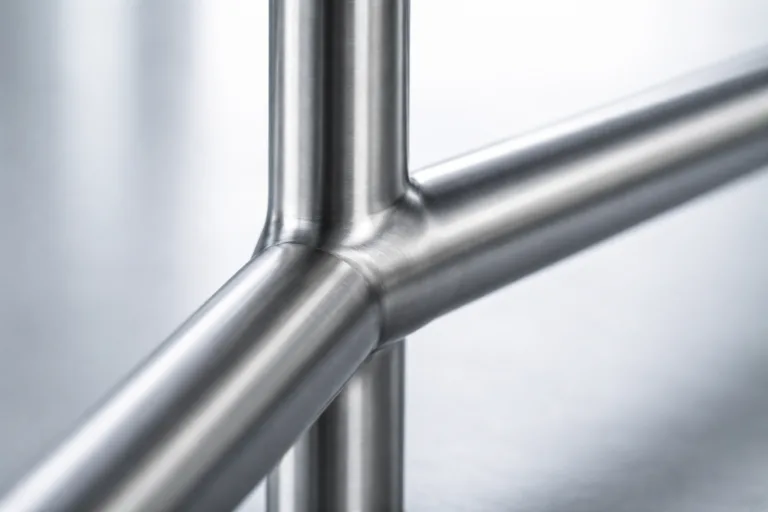
One revolution in minimalist metal construction is seamless welding. Instead of multiple joints held together with hardware or filler panels, laser or robotic welds create strong, nearly invisible bonds. This method not only enhances durability but also smooths surfaces for simpler maintenance and a sleeker look, particularly vital in environments like hospitals and kitchens.
Industrial Case Study: Efficient Metal Fabrication
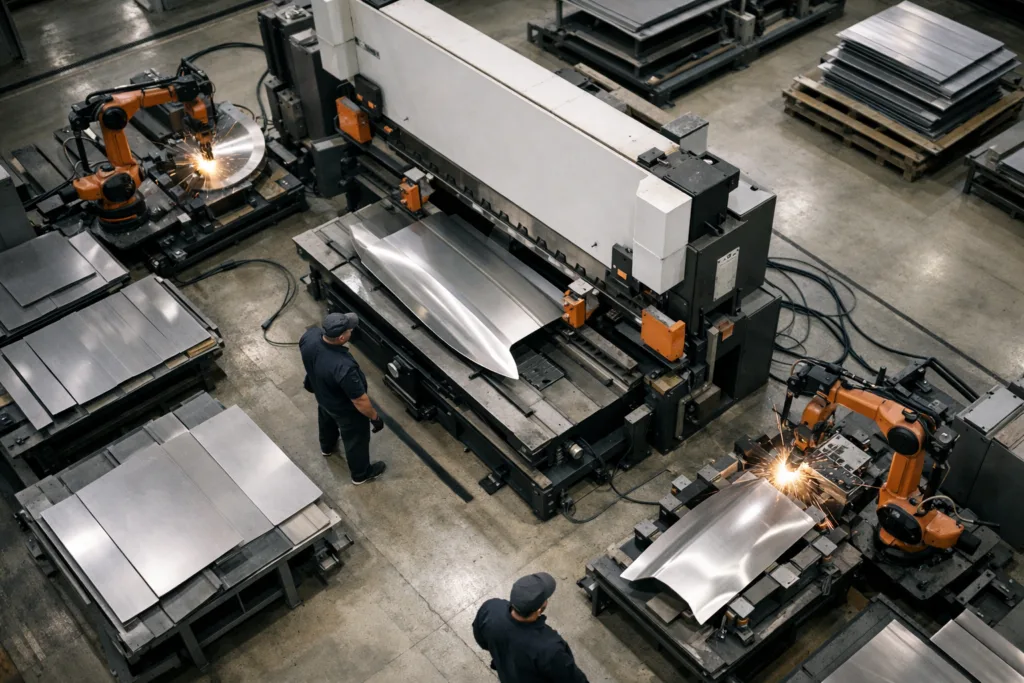
Consider a real-world manufacturing example: A company that shifts to laser-cut sheet metal, then folds and welds the piece with minimal joints, can accelerate production. Not only do they save time, but they dramatically reduce scrap metal. As detailed in 3D design for manufacturing workflows, digital tools further streamline processes so that fewer seams and trims are needed from the start.
Sustainability Benefits of Minimalist Construction
Fewer seams and trims translate directly into less material waste and a reduced carbon footprint. By simplifying construction, companies help the environment in two main ways: first by using fewer raw inputs, and second by making recycling easier at the end of a product’s life. This directly supports eco-design certification standards, as explained in Cradle to Cradle certification guides.
Longer Lifespans: How Durability Improves
Fewer joints and trims mean fewer weak spots—the places where products often wear out first. Seamless construction resists stress and fatigue better, ensuring that everything from chairs to industrial containers stands up to heavy use. That’s why durability-focused designers are applying these techniques to boost product longevity and decrease maintenance needs, much like those discussed in guides for designing longer-lasting clothing.
Less Is More: The Minimalism Principle at Work
The principle behind reducing seams and trims echoes the larger philosophy of minimalism in design—focus on what matters, cut the rest, and maximize performance. This approach has fueled global interest in everything from sleek smartphones to efficient building envelopes.
How Designers Achieve Fewer Seams and Trims
There are several smart strategies, including:
- Using larger panels or single sheets
- Opting for foldable geometries instead of complex joins
- Leveraging digital modeling to predict the minimum necessary connections
Balancing Simplicity and Functionality
Simple doesn’t have to mean plain. Skilled designers carefully balance the need for minimalism with practical considerations, such as strength, accessibility, and visual interest. Thoughtfully placed seams can actually add value if they serve a structural purpose or define a silhouette.
Comparing Conventional and Minimalist Construction
| Feature | Conventional Construction | Minimalist Construction |
|---|---|---|
| Seams/Trims | Frequent | Reduced or seamless |
| Waste | Higher | Lower |
| Durability | Variable | Consistently High |
| Maintenance | Complex | Simplified |
| Visual Impact | Traditional | Modern/Sleek |
Minimizing Waste Through Process Improvements
Process innovation is key for cutting seams, trims, and waste. From waste reduction at the design stage to precision manufacturing, the goal is to use only the resources each part truly requires.
Eco-Friendly Adhesives and Fastening Alternatives
Traditional hardware often means more visible trims and seams. Modern adhesives, press-fit connections, and advanced interlocking shapes are changing the equation, making it possible to join elements while keeping a smooth, trim-free appearance and enhancing recyclability.
Software Tools for Minimalist Design
Digital modeling software lets teams simulate structures, stress points, and required connections before making a single cut. Programs such as CAD and advanced 3D fashion design platforms (like the ones compared in CLO3D vs. Browzwear guides) help reduce unnecessary seams from the earliest design phase.
Impact on Supply Chain Efficiency
Simplified designs speed up sourcing and manufacturing. Because fewer parts are needed, procurement and assembly are less complex, which also cuts costs. Bulk buying of a single material type further enhances these supply chain gains.
Real-World Success: Minimalism in Product Launches
Several top brands have shown that deliberate seam and trim reduction can launch products that win awards and last longer in the market. For instance, sustainable furniture companies and automotive suppliers are now publishing smaller carbon footprints and improved user feedback thanks to these changes.
Minimizing Seams in Apparel and Accessories
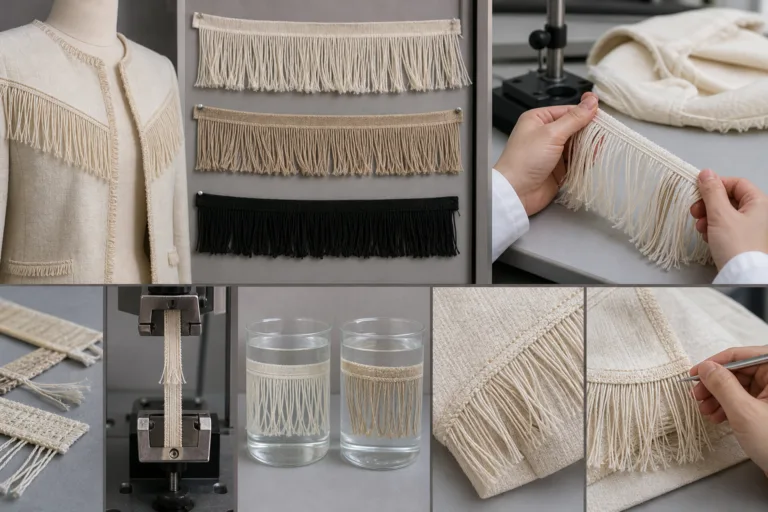
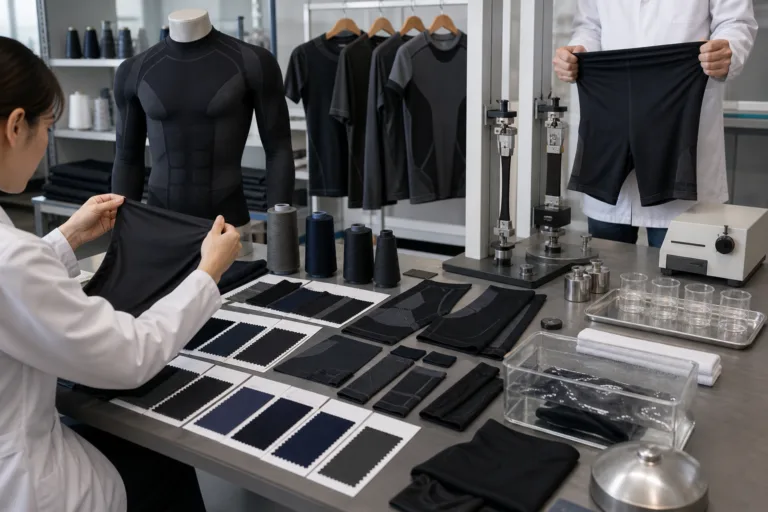
Minimalist apparel borrows the same principles: seamless knits, heat-bonded finishes, and reduced labels or tags. This not only makes garments comfier but also lowers production scrap—key points tracked by experts at Apparel Wiki.
Future Trends: Robotics and Seamless Manufacturing
Emerging technologies, such as robotic welding and automated folding, are poised to push seam and trim reduction even further. Factories are investing in versatile machines that can produce sleek, strong products with minimal human intervention, improving consistency and speed.
Challenges and Misconceptions in Reducing Seams and Trims
Some believe that minimalism leads to fragile products or bland design, but when executed with the right materials and engineering, the opposite holds true—both resilience and visual appeal often go up. That said, not every product can or should be made entirely seamless; some applications, like expansion joints or certain types of doors, require specific connections for safety or utility.
Best Practices for Implementing Minimalist Construction
Teams should:
- Choose materials suited to seamless or low-trim approaches
- Invest in up-to-date digital simulation tools
- Test prototypes for real-world durability
- Collaborate between design and manufacturing early in projects
Minimalist Construction: Reducing Seams and Trims
Adopting minimalist construction means focusing on the essentials: fewer joins, less decorative garnish, and a deeper commitment to purpose-driven manufacturing. The path to streamlined products starts by prioritizing which trims and seams are truly required, then using smart design and material tactics to keep them to a minimum.
Expert Tips: Getting Started with Seam and Trim Reduction
Start small—review current designs for unnecessary add-ons. Pilot a single product line and track improvements in waste, efficiency, and customer satisfaction. Use internal knowledge bases, such as those offered by Apparel Wiki, to learn from peer success stories and avoid common missteps.
Minimizing Seams and Trims: Success Stories
Companies that embraced this approach often report clearer assembly instructions, fewer warranty claims due to seam failures, and more positive user feedback concerning maintenance and aesthetics.
Conclusion: The Lasting Value of Minimalism
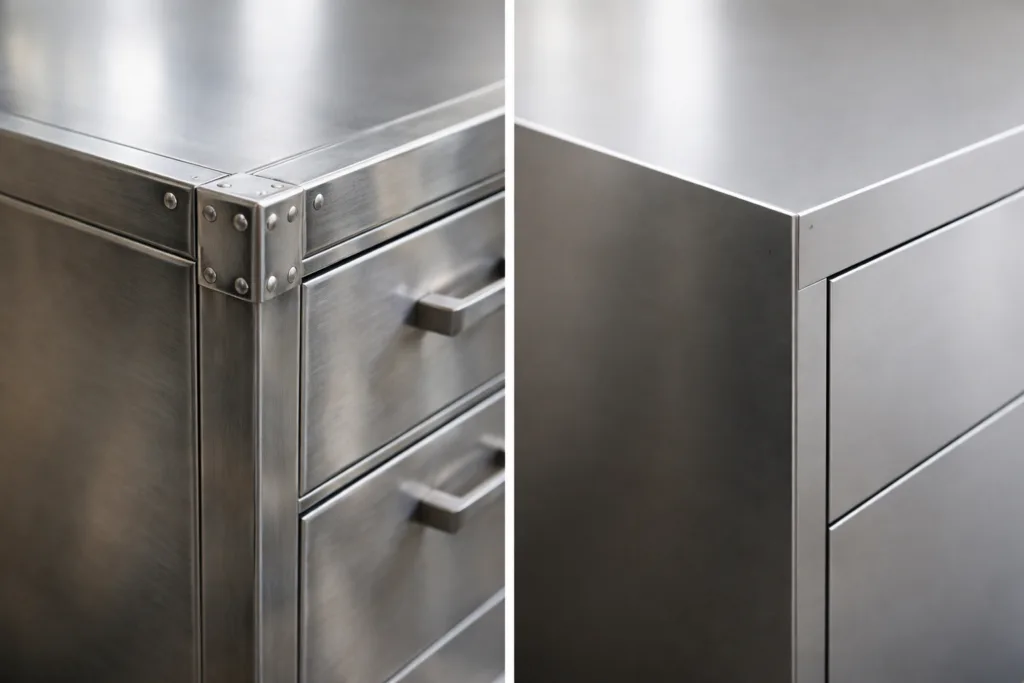
Minimalist construction—reducing seams and trims—delivers cleaner aesthetics, robust durability, and greater efficiency. By focusing on the essentials, companies can drastically reduce waste, simplify manufacturing, and provide products that are both modern and built to last. Adopting these methods isn’t just a trend; it’s a smarter, more sustainable way forward for everyone from metal fabricators to clothing brands.
Frequently Asked Questions
What does reducing seams and trims offer to manufacturing efficiency?
It simplifies production, cuts material waste, and makes quality control easier by minimizing parts that can fail or require labor-intensive assembly.
Is minimalist construction viable for all product types?
No, certain products require specific joints or trims for safety or utility, but many can adopt streamlined methods with proper planning.
How do fewer seams improve a product’s lifespan?
Fewer seams usually mean fewer weak points, which leads to better resistance against stress, fatigue, and environmental factors.
Can minimalist methods help with sustainability goals?
Absolutely. They use less material, generate less waste, and often make end-of-life recycling much easier, supporting responsible manufacturing.
Are special tools needed for seamless metal fabrication?
Yes, techniques like laser or robotic welding require specialized equipment but provide a sleek, strong, and easily cleanable finish.
How can companies start adopting minimalist construction practices?
Begin by reviewing current products for unnecessary trims and seams, pilot small projects, and invest in digital design and material innovations.
Related Reading
- 7 Ways Mono-Material Design Supercharges Recycling and Sustainability
- How 3D Design Turbocharges Metal Product Workflows
- Cradle to Cradle Certification: 8 Key Insights for Sustainable Products
- Expert Guide: Designing Longer-Lasting Clothing for Sustainability
- 10 Smart Ways to Reduce Waste from Design Stage Onward
- CLO3D vs. Browzwear: Unlocking Design Efficiency in Apparel and Metal Products