
Introduction: Why Design for Disassembly Shapes the Future of Circular Fashion
As the fashion industry faces mounting pressure from environmental concerns, Design for Disassembly: Creating Circular Fashion has emerged as a practical solution to textile waste and unsustainable apparel cycles. This approach prioritizes end-of-life planning—ensuring garments are constructed with the intention of being easily taken apart, reused, or recycled. The shift is not just a trend; it represents a response to resource scarcity, landfill overflow, and the overwhelming environmental footprint of traditional clothing production. Let’s unpack how disassembly design is revolutionizing circular fashion, what steps are vital for implementation, and why it matters for brands, manufacturers, and eco-conscious consumers.
Understanding Circular Fashion: Going Beyond Sustainable Materials

Circular fashion is about designing, producing, and using clothes in a way that eliminates waste and resource inefficiency. Unlike linear systems—where garments are made, used, and discarded—circular fashion loops materials back into use, promoting repair, recycling, and regeneration. Design for Disassembly fits into this by ensuring products are made to be taken apart, their components recycled or reused, and thus supporting a truly circular apparel ecosystem.
The Principles of Design for Disassembly: Key Pillars and Practical Methods
Designing for disassembly means integrating specific strategies from the earliest stages of development:
- Material Simplicity: Limiting the types and number of materials in a garment aids easier separation.
- Mono-material Construction: Garments made of a single material are simpler to recycle effectively.
- Easy-to-Remove Fastenings: Using snaps, ties, or removable stitching rather than adhesives or rivets.
- Clear Labeling: Including information about material content and how to disassemble (explored further in sustainable labeling best practices).
Why It Matters: Environmental and Economic Benefits of Disassembly Design
There are immediate payoffs for both the environment and businesses when garments are engineered for end-of-life separation:
- Waste Reduction: Less material is landfilled as more is recaptured through recycling.
- Resource Conservation: Reused components mean less demand for virgin resources in production.
- Revenue Streams: Access to secondary markets for reclaimed fabrics or parts.
- Brand Reputation: Companies gain consumer trust through genuine ecological responsibility (reinforced by transparent apparel branding).
Choosing Disassembly-Friendly Materials: Beyond Organic Cotton and Recycled Polyester
Not all materials lend themselves to simple disassembly. It’s important to select those that are recyclable, biodegradable, or easily detached at product’s end-of-life—such as recycled polyester, mono-fiber blends, or removable trims. For insight on material choices, see key benefits for eco-friendly fashion brands.
Construction Techniques for Take-Back and Reuse
Technical choices during assembly can determine how efficiently garments are later disassembled:
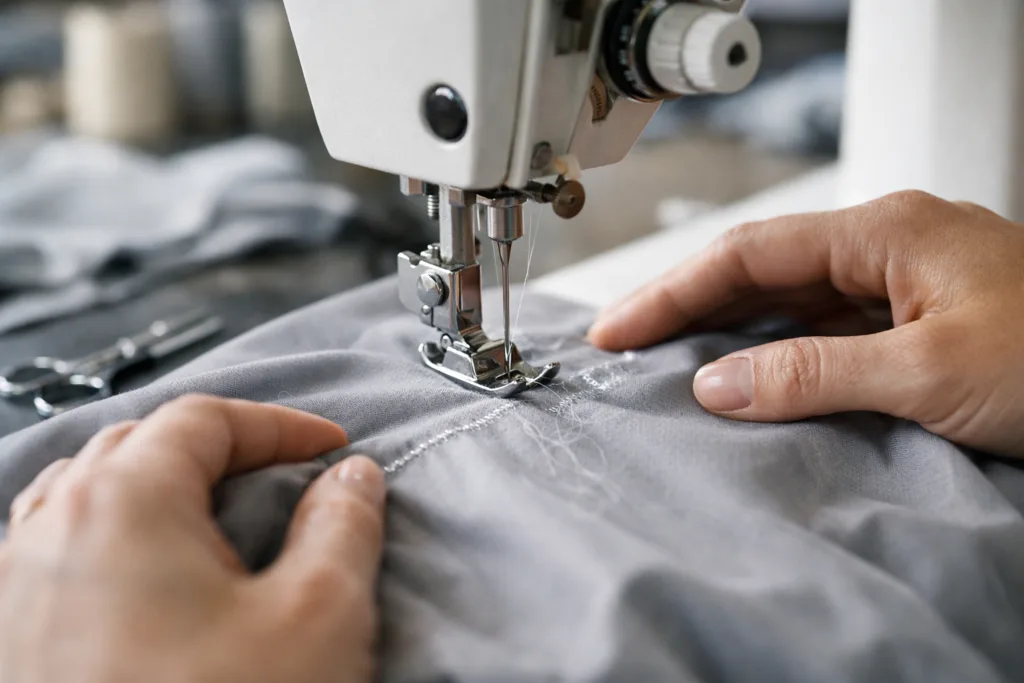
- Thread Selection: Using dissolvable or easily breakable threads for seams.
- Minimal Adhesives: Avoiding glue that contaminates material streams.
- Detachable Details: Buttons, zippers, and decorative trim should be easy to remove or made from compatible materials.
Case Study: Leading Brands Implementing Design for Disassembly
Global companies like Eileen Fisher, Adidas, and H&M have piloted or launched lines built with disassembly in mind. For instance, Adidas’ “Futurecraft Loop” sneaker is made entirely of one type of material and assembled without glue, so it can be ground down and re-processed at end-of-use. These leaders showcase scalable models for creating circular fashion that truly closes the loop.
Apparel Wiki Perspective: Clarifying Disassembly Misconceptions
According to Apparel Wiki’s editors, a common error is equating “eco-friendly” materials with true circularity. In reality, without design for disassembly, even sustainable fabrics can wind up as landfill waste if sewn with incompatible trims, adhesives, or ornamentation. Choosing a comprehensive approach—combining smart labeling, traceable materials, and assembly methods—is essential for achieving authentic circularity in fashion.
Labeling for Circularity: Informing End-of-Life Decision-Making
Clear labeling is critical for effective garment disassembly. Labels should guide recyclers, consumers, and sorters about:
- Material composition
- Disassembly instructions
- Recycling or composting steps
New regulations and global standards are emerging to address this, making it essential for brands to integrate up-to-date labeling into product development (find compliance resources in care label laws guides).
Technological Integration in Disassembly Design
Digital product passports, RFID tags, and QR codes can provide an interactive layer to labeling, storing details on construction methods and disassembly sequencing—helping supply chains efficiently process returned garments. Explore more on this front in Apparel Wiki’s coverage of RFID tags for apparel inventory.
Design for Disassembly: Creating Circular Fashion
Design for Disassembly: Creating Circular Fashion isn’t just a design philosophy—it’s a concrete blueprint for the industry to reduce its ecological footprint. Mapping a garment’s lifecycle from fiber selection to easily reversible sewing not only lowers waste but encourages manufacturers and consumers to shift from “throwaway” habits to ones that value recovery and resource resilience. When brands integrate this process, they help move the sector from a linear to a circular model, supporting long-term industry viability and environmental health.
Barriers to Adoption: Cost, Infrastructure, and Awareness
Transitioning to design for disassembly can appear daunting for brands used to fast fashion systems. Key challenges include:
- Higher Production Costs: Implementing new materials or construction techniques may require retooling and new supplier partnerships.
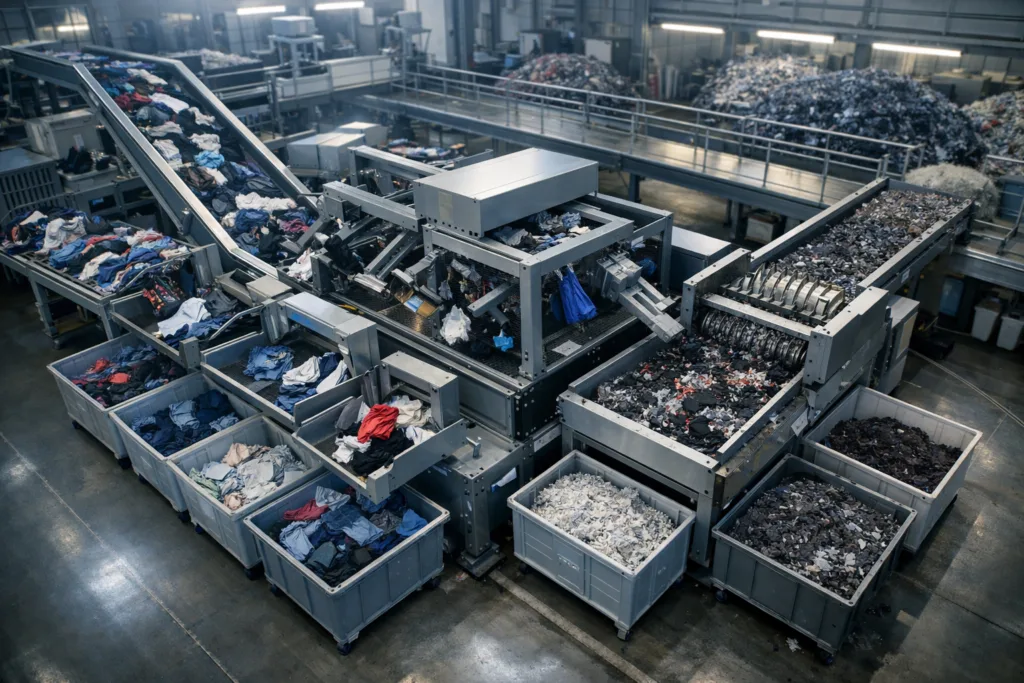
- Limited Recycling Infrastructure: Not every region has facilities capable of advanced textile sorting and recycling.
- Consumer Behavior: Customers may not yet prioritize—or understand—the benefits of circular design unless actively informed.
Designing for Scale: How to Mainstream Circular Fashion Tactics
Industry collaboration is key. Standardizing best practices, sharing case studies, and educational outreach at both the B2B and consumer levels accelerate widespread adoption. Many forward-thinking brands now develop in-house training on design for disassembly, ensuring every team—from product development to sales—understands its value and execution.
Practical Steps for Fashion Brands: Where to Start
- Audit current product lines for disassembly potential
- Source mono-material fabrics or trims built for reopening
- Engage with material suppliers and recyclers to align on specs
- Stay ahead of regulations on textile labeling and waste
- Pilot a circular capsule collection before scaling production
Consumer Education: Enabling Circular Habits at Home
Brands empowering customers with clear care and disassembly instructions can drive responsible garment disposal. For example, hang tags or QR-linked videos demonstrating how to separate parts enhance user understanding of sustainable end-of-use conduct. For impactful tag strategies, consider reading about maximizing hang tag effectiveness.
Global Policy Trends Supporting Disassembly and Circularity
Policy-makers are increasingly introducing ‘extended producer responsibility’ (EPR) legislation, requiring brands to account for product lifecycles—including end-of-life solutions. This is driving shifts in both design innovation and supply chain investment on a global scale.
Design for Disassembly and Apparel Supply Chains
Integrating disassembly principles means mapping supply chains differently. From fiber to finished good, manufacturers need to track every component’s origin—and foresee its next use after customer return. Supply chain transparency tools and digital tracking (outlined in RFID inventory insights) can help bridge these gaps.
Digitization: Tracking, Sorting, and Streamlining Garment Disassembly
Digital platforms and product databases make it easier for recyclers and take-back programs to match garments with their optimal reuse or recycling process. This helps prevent mis-sorting and increases recovery rates industry-wide.
Extending Fashion’s Life Cycle: The Role of Repair and Remanufacturing
If designs allow for easy part replacement or repair, garments stay in use longer—reducing overall consumption and delaying entry into recycling processes. Disassembly design enables cost-effective repairs and creative upcycling.
Metrics and Impact Assessment: Measuring Success in Disassembly Initiatives
Brands can measure progress via landfill diversion, recycled content in new products, and life cycle analysis (LCA) of disassembly impacts. Data-driven reporting supports internal improvement and consumer trust.
The Business Case: Return on Investment for Disassembly-Ready Fashion
Though upfront costs may rise, brands adopting these strategies can unlock long-term savings, new revenue channels (reclaiming materials), risk reduction against regulatory change, and stronger reputation among sustainability-driven customers.
Collaborative Innovation: Partnerships in Circular Fashion
Innovation thrives when apparel brands, recyclers, technology providers, and policymakers join forces. Joint ventures yield scalable solutions—like universal labeling, standardized disassembly instructions, and shared sorting technology.
Looking Forward: The Next Wave of Circular Fashion Design
The industry’s next frontier goes further, embedding smart tags, dynamic product passports, and even automated disassembly systems. As technology advances, the once laborious process of taking clothing apart becomes easier, safer, and more profitable than ever before.
Conclusion: Why Design for Disassembly Is Non-Negotiable in a Circular Future
Design for Disassembly: Creating Circular Fashion is not only achievable but necessary. Thoughtful construction, clear communication, and ecosystem partnerships lay the foundation for waste-free, resource-positive fashion. With every new garment built to be unbuilt, brands reduce environmental impact, unlock economic opportunity, and help define a fashion industry fit for the next century.
Frequently Asked Questions
What is design for disassembly in circular fashion?
It’s the method of constructing garments so they can be easily dismantled at the end of their use, making recycling and reuse more efficient and reducing waste.
Which materials are most suitable for disassembly design?
Mono-materials like 100% recycled polyester or single-fiber types work best as they simplify separation and recycling, while biodegradable trims are also advantageous.
How does disassembly design encourage sustainable consumer behavior?
Clear labeling and user instructions empower consumers to disassemble and recycle clothing, fostering habits that support a circular fashion system.
Are there regulations requiring brands to design for disassembly?
While not universal, regions like the EU are expanding product stewardship laws, expecting brands to plan for the entire life cycle, including end-of-life solutions.
What barriers do brands face in transitioning to disassembly design?
Challenges include redesign costs, sourcing compatible materials, updating supply chains, and building consumer awareness about disassembly practices.
Can design for disassembly apply to non-apparel products?
Absolutely. The same principles are applied in electronics, furniture, and automotive industries to enable easier repair, remanufacturing, or recycling.
Related Reading
- 7 Benefits of Sustainable Labeling for Eco-Forward Fashion
- How RFID Tags Transform Apparel Waste Tracking & Circularity
- Boost Impact: What to Put on Hang Tags for Circular Fashion
- Mastering Care Labels: Navigating US, UK & EU Compliance Easily
- 9 Facts About RN Numbers for Transparent Circular Apparel
- 7 Steps to Consistent Sizing and Country of Origin Labels