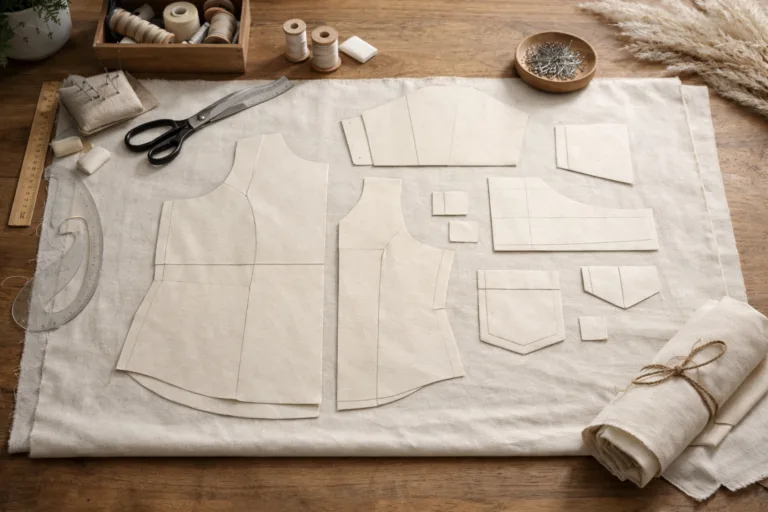
Introduction to Zero Waste Pattern Cutting Techniques
Zero waste pattern cutting techniques are revolutionizing the fashion and textile industries. Instead of sending valuable fabric scraps to landfills, designers use advanced strategies to create garments with little to no material waste. In today’s era of sustainability, embracing zero waste, pattern cutting can dramatically minimize environmental impact—while sparking innovation in garment construction and aesthetic possibilities.
What Is Zero Waste Pattern Cutting?
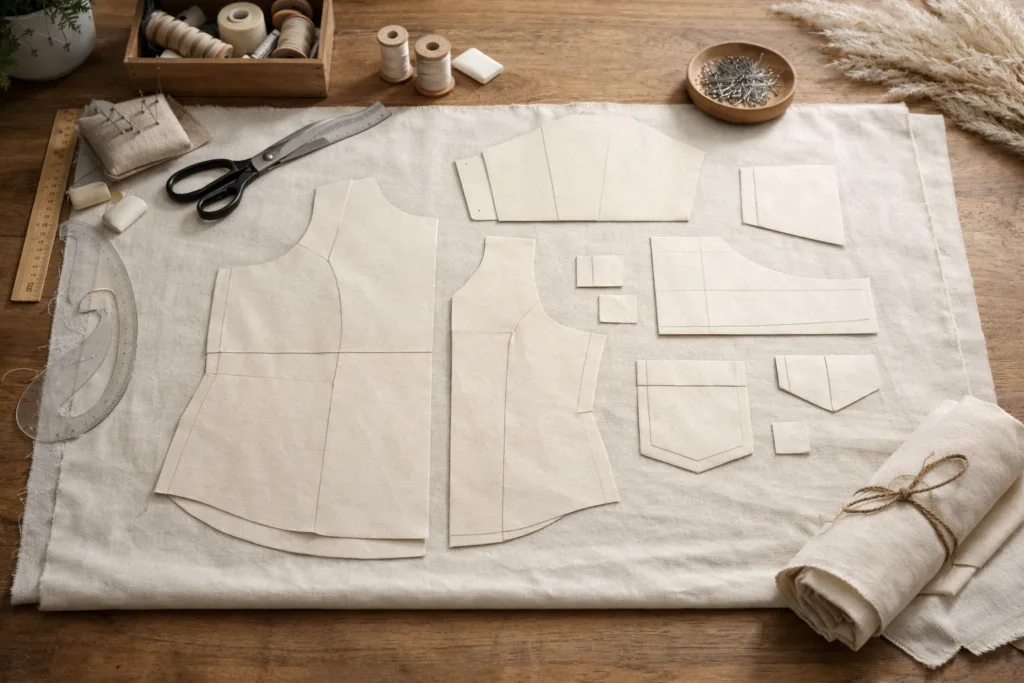
Zero waste pattern cutting is the practice of designing garment patterns so that every inch of cloth is used in the final piece. This intentional approach goes beyond traditional pattern drafting, which typically leaves 15-20% of fabric as leftover scraps. Here, the aim is simple but powerful: turn every bit of fabric into wearable or functional design.
Why the Fashion Industry Needs Zero Waste, Pattern Cutting
The apparel industry creates millions of tons of textile waste each year. Landfills are filling up, and the energy required to produce and transport wasted fabric has a heavy carbon footprint. By focusing on zero waste, pattern cutting, designers not only reduce material waste, but also cut costs, and take strides toward circular, environmentally friendly fashion.
The History and Evolution of Zero Waste Cutting
While the modern movement gained traction in the 21st century, zero waste approaches have deep cultural roots. Ancient garments like the Japanese kimono and Indian sari use rectangle-based layouts and simple shapes that waste almost nothing. Industrial methods lost sight of this efficiency, but designers are now returning to such roots—combining age-old wisdom with new technologies.
Key Principles of Zero Waste, Pattern Cutting
- Utilization: Every piece of fabric has a purpose—nothing is discarded aimlessly.
- Planning: Upfront design solves waste issues before a single cut is made.
- Creativity: Unconventional shapes, modular construction, and geometry guide designs.
- Testing: Prototypes refine layouts, further minimizing fabric loss.
Geometric Layouts: The Foundation of Zero Waste Methods
Geometry is integral to zero waste, pattern cutting. By arranging pattern pieces as squares, triangles, or rectangles, designers make the fabric yield more efficient. Common strategies include:
- Rectangular or square sections for sleeves or bodies
- Triangular gores for movement or volume
- Repeating modules for scalability
Digital Tools Empowering Zero Waste Pattern Cutting
Modern design software—like CLO3D and Adobe Illustrator—makes it easier to visualize, test, and cut zero-waste layouts. Digital platforms enable instant pattern reshuffling, rapid prototyping, and highly accurate fit adjustments. As highlighted by Apparel Wiki, 3D sampling further reduces trial-and-error waste, saving time and resources in production workflows.
Modular and Transformational Design Approaches
Modular design breaks garments into smaller repeatable parts. These modules can be assembled in various ways, providing creative flexibility without fabric waste. Meanwhile, transformational design explores dynamic patterns—using folds, pleats, or adjustable features—where each element fits precisely within the overall fabric plan.
Case Study: Classic Kimono as Zero Waste Inspiration
The Japanese kimono is a time-proven example. Its pattern consists of rectangles, efficiently using the full fabric width. Modern designers look to such cultural references for inspiration, adapting flat pattern logic in contemporary ways to maintain style and purpose—without waste.
The Role of Creative Pattern Placement
Careful placement is everything—especially when working with patterned or directional fabrics. Zero waste, pattern cutting considers motif alignment, symmetry, and garment shape as parts of a single, harmonious design puzzle.
Zero Waste Cutting for Different Garment Types
From tailored shirts to loosely draped dresses, zero waste techniques differ by category:
- Dresses & Tunics: Use geometric panels and clever joinery.
- Pants & Shorts: Modular gussets and panels streamline the process.
- Outerwear: Layered rectangles offer structure and protection.
Fabric Choice and Planning for Zero Waste Success
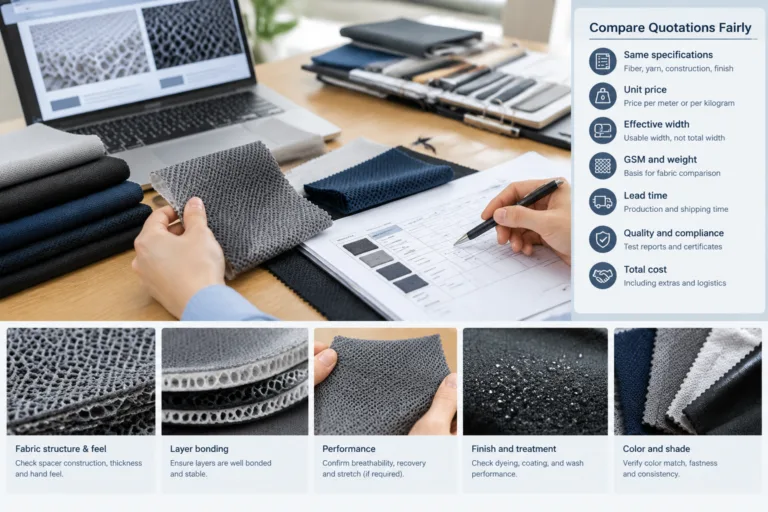
Material selection is crucial. Stable fabrics—like organic cotton or recycled polyester—enable clean, precise cuts. Stretch or fluid materials require greater planning to avoid distortion. To discover more on selecting suitable eco-materials, see Apparel Wiki’s guide to sustainable labeling for eco-friendly fashion brands.
Integrating Digital Printing Techniques
Digital printing complements zero waste, pattern cutting by enabling pattern placement that aligns perfectly with the garment layout. No margin is left blank, and every custom print is positioned exactly where it’s visible and impactful—using less ink and reducing post-production waste.
3D Prototyping: Minimizing Mistakes and Iterations
Physical sampling wastes textiles when changes are needed. Using 3D software to simulate how patterns assemble drastically reduces test rounds and discarded material. It’s now common for forward-thinking factories to design, test, and share patterns digitally before a single real cut is made. Read more in Apparel Wiki’s guide on how 3D sampling cuts waste and cost.

Pattern Matching with Zero Waste Principles
Aligning prints or stripes presents a unique challenge. Designers working with checks, stripes, or motifs must carefully balance layout needs and visual harmony. Sometimes, small, creative joins are used to ensure the pattern flows seamlessly—without wasted areas.
Tools and Supplies for Zero Waste Cutting
- Sharp rotary cutters and ergonomic scissors for clean edges
- Self-healing cutting mats and clear rulers
- Pattern weights to maximize material alignment
- Paper or digital templates with minimal seam allowance
Design for Disassembly: Extending the Lifecycle
Zero waste principles extend beyond cutting. Designers are increasingly embracing design for disassembly, making it easy to rebuild or recycle garments after their useful life. This keeps resources in use and supports the ideals of circular fashion systems.
Zero Waste in Mass Manufacturing vs. Bespoke Design
Large-scale production demands consistency, but zero waste methods require flexibility. Mass-market brands may adapt by developing universal, geometric patterns, while small ateliers can offer highly personalized, made-to-measure zero waste designs.
Pros and Cons of Zero Waste Pattern Cutting
| Pros | Cons |
|---|---|
| Minimizes material waste | Potential fit challenges with non-traditional shapes |
| Promotes innovative design thinking | Can be less familiar for mainstream sewers |
| Lowers long-term production costs | May take longer to develop initially |
| Aligns with eco-label requirements | Requires learning new layout skills |
Educating Teams and Suppliers
Fashion teams, factories, and supply chains need training for smooth adoption. Sharing clear digital files, illustrated guides, and using collaborative design software helps bridge knowledge gaps and reduce resistance to change.
Common Pitfalls (and How to Avoid Them)
- Poor Planning: Always create mock-ups or miniatures to catch design flaws early.
- Fabric Shrinking: Allow for fabric shrinkage, especially with natural fibers.
- Misalignment: Use clear measurement tools to avoid mismatched seams.
- Overlooking Notches: Mark all join points carefully—precision is key.
Future Trends in Zero Waste, Pattern Cutting
The future is digital and circular. With AI-driven optimizers, ever-smarter design software, and global environmental awareness, even more brands will adopt zero waste, pattern cutting as a default—not a niche. Innovations like smart textiles, laser cutting, and recycling integration are set to push the field further.
Zero Waste Pattern Cutting Techniques
Various methods have emerged to make zero waste garment creation accessible to designers at all skill levels:
- Geometric Drafting: Compose garments by mapping out rectangles, squares, and triangles that interlock perfectly along fabric widths and lengths.
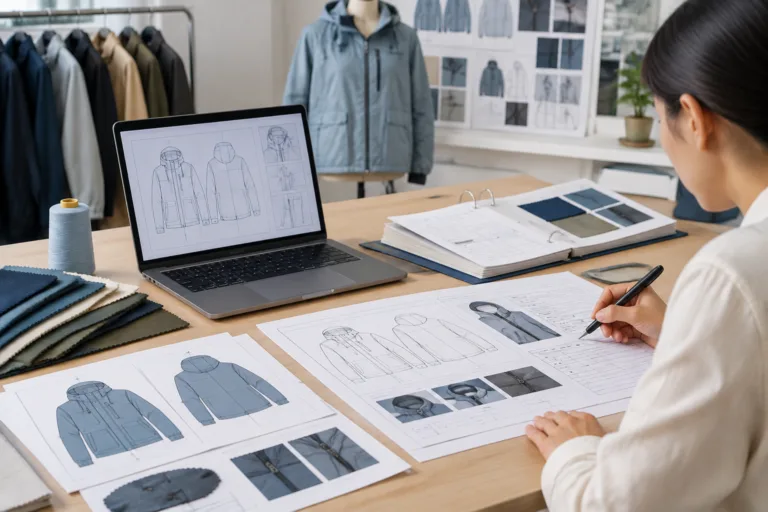
- Digital Pattern Manipulation: Use 3D design tools to prototype and test fit in virtual space, reducing trial samples and physical waste.
- Transformational Construction: Develop foldable or modular garments where all cut sections serve a visible, functional purpose.
- Pattern-on-Fabric Printing: Digitally print layouts so pattern shapes match the garment’s visual motif exactly, eliminating offcut wastage.
Getting Started: First Steps for Designers
- Analyze your usual waste percentage with legacy technique
- Choose simple geometric garments for early experiments
- Leverage digital platforms to visualize and iterate
- Record and share your findings for team-wide learning
How to Communicate Zero Waste Value to Consumers
Transparency builds credibility and brand preference. Explain your zero waste, pattern cutting process on care labels or hang tags. You can structure product narratives around responsible sourcing, fabrication, and long-term utility. Apparel Wiki also covers label placement strategies for conveying authenticity.
Conclusion: The Power of Zero Waste Innovation
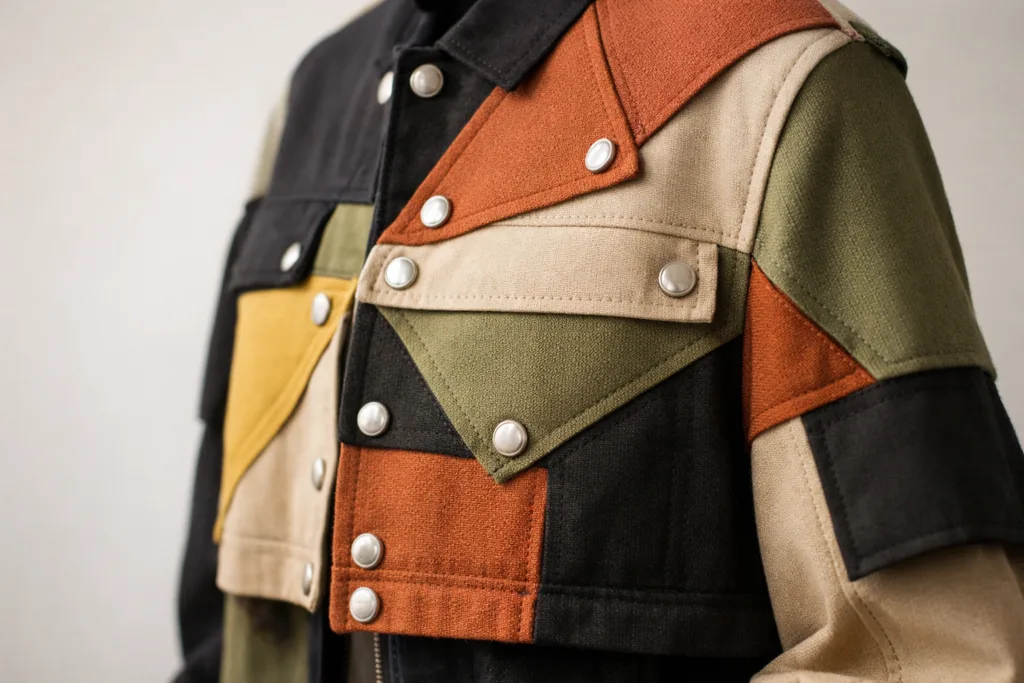
Zero waste pattern cutting techniques are more than a fleeting trend—they’re an evolution toward accountability in fashion. By mixing time-honored geometric logic with digital innovation, and through ongoing process education, designers and brands can create stylish, high-quality garments with real environmental benefits. Adopting zero waste, pattern cutting is not just a technical shift; it’s a commitment to a more responsible industry—one where creativity and eco-consciousness walk hand in hand.
Frequently Asked Questions
What fabrics are best for zero waste pattern cutting?
Stable, medium-weight fabrics such as organic cotton, recycled polyester, and some linens are ideal. These materials hold their shape, making precise, efficient layouts easier to achieve and maintain.
Can zero waste, pattern cutting work for complex styles?
Yes, but it requires creative planning. Modular design and digital tools allow adaptation for a wide range of styles, including more tailored or technical garments.
Is zero waste, pattern cutting suitable for all fashion brands?
Both small and large brands can benefit, though large-scale production may need more standardization. Even introducing elements of zero waste methods can help reduce overall waste and costs.
How does digital technology support zero waste design?
Digital platforms offer accurate prototyping, instant pattern manipulation, and allow for repeatable, sharable layouts—dramatically reducing the risk of unused material through visual validation before cutting fabric.
Does zero waste construction affect garment cost?
Initially, time invested in planning may increase costs, but material savings and faster prototyping typically balance these out over time, supporting better margins and sustainability objectives.
Can zero waste patterns impact fit and comfort?
Great fit is possible, though zero waste layouts may have unique silhouettes. Proper planning and iterative testing will result in garments that balance waste reduction, style, and comfort.