Introduction: Why Durability and Longevity Matter in Fashion
Fast fashion cycles and increasing environmental concerns have placed the spotlight squarely on the need for clothing that stands the test of time. Designing for durability: extending garment lifespan ensures fewer resources are wasted and provides lasting value to both brands and consumers. By applying sustainable design principles, apparel makers and wearers can significantly reduce textile waste and promote more responsible consumption.
The Foundations of Durable Garment Design
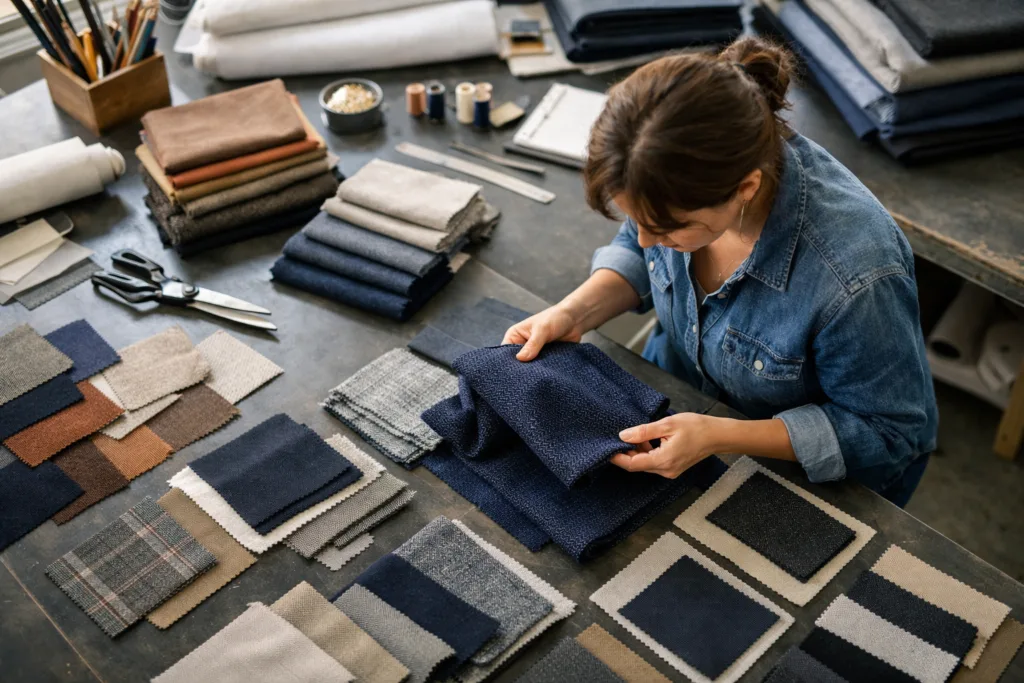
Garment durability starts in the design studio. Durable clothing comes from intentional decisions about materials, structures, and end-of-life considerations. Emphasizing durability doesn’t just mean adding more stitches—it means integrating thoughtful features that withstand repeated use and cleaning cycles.
Choosing Long-Lasting Materials: The Essential First Step
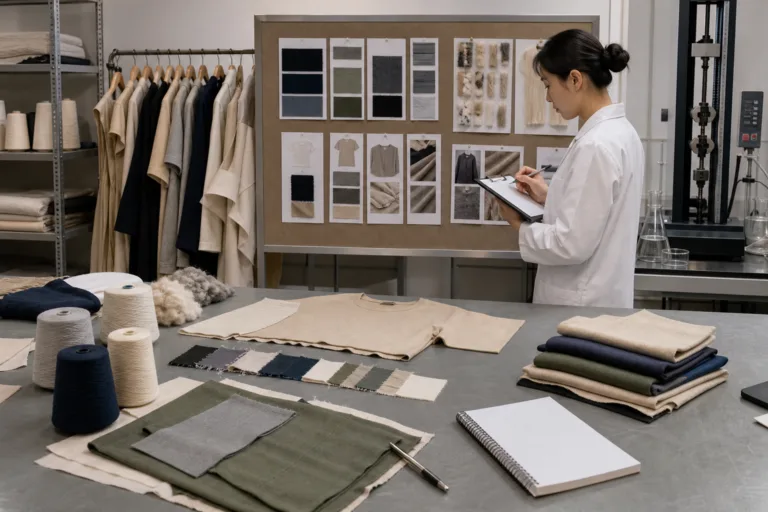
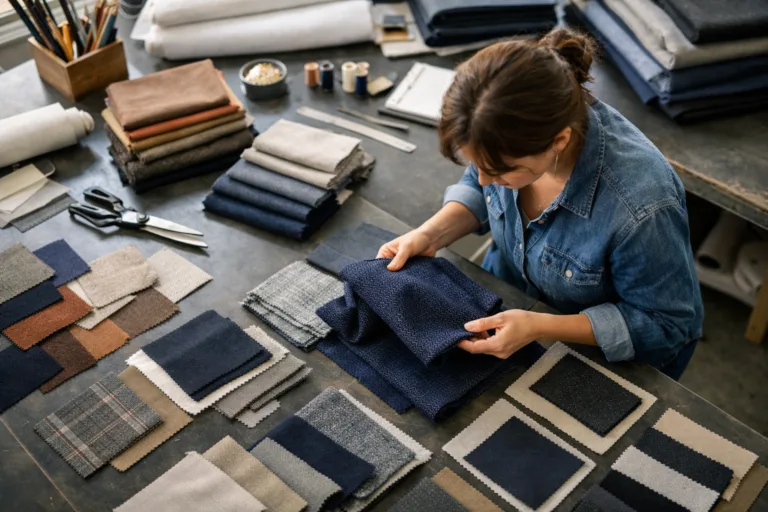
Material choice has the single largest impact on garment longevity. High-quality, resilient fabrics like tightly woven cotton, merino wool, and advanced blends repel abrasion, retain shape, and resist pilling. For designers prioritizing longevity, certifications for fabric strength and fiber integrity are a must. Mono-material design strategies also support longevity and recyclability, as discussed in Mono-Material Design: 7 Ways It Transforms Recycling and Boosts Sustainable Manufacturing.
Understanding Fabric Properties for Maximum Durability
Not all fabrics are created equal. Durability depends on several properties such as tensile strength, resistance to tearing, and colorfastness. For example, synthetic blends are often used in activewear for their resilience to wear and washing, while natural fibers like linen offer remarkable strength if woven tightly and constructed with sturdy seams. For designers, using fabric converters and costing tools helps balance cost with performance.
Smart Construction Techniques That Prolong Garment Life
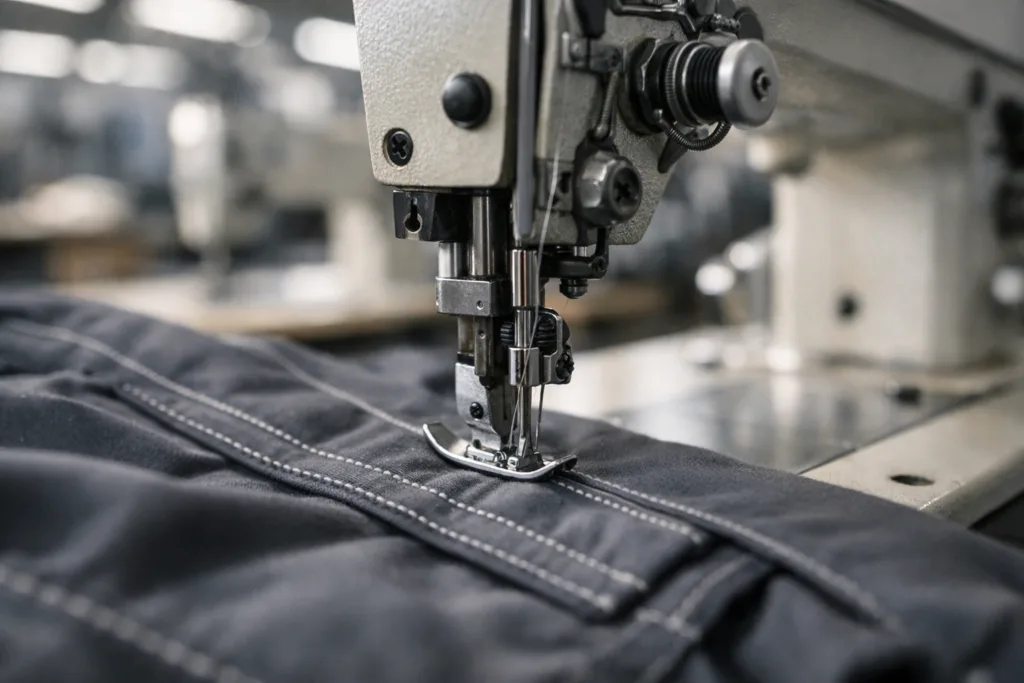
Even the best material needs proper construction to last. Reinforced stitching, bartacks at critical stress points, double-layered hems, and precisely aligned seams all contribute to a garment’s capacity to handle daily use without failing. Zero waste pattern cutting, a method that minimizes leftover fabric and supports more durable assembly, is outlined in 7 Game-Changing Zero Waste Pattern Cutting Techniques to Transform Sustainable Fashion.
Seam Types: Balancing Form, Function, and Longevity
The right seam can make or break a garment’s durability. Flat-felled seams, bound seams, and French seams not only reduce fraying but can sometimes outlast the fabric itself. Designers often choose seam types based on the garment’s intended use, focusing on both construction strength and wearer comfort.
Finishing Details That Enhance Resilience
Finishing details such as bias binding, durable labels, and well-placed trims are more than aesthetic choices—they protect vulnerable edges and reinforce high-movement areas. Selecting durable main labels, such as woven instead of printed labels, can prevent early signs of wear, as analyzed in Woven vs. Printed Labels: 6 Key Insights on Label Longevity and Cost-Efficiency.
The Role of Quality Control in Durability
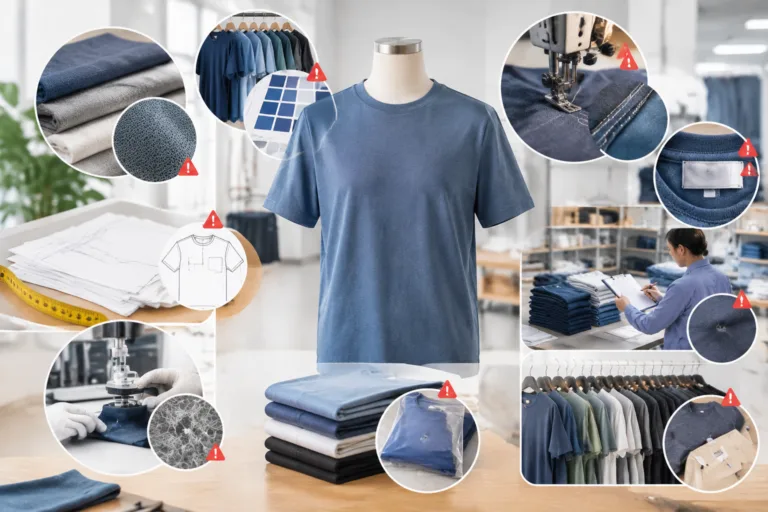
Quality assurance practices—inspecting fabric, measuring tolerances, and stress-testing seams—are paramount in ensuring garments perform as expected over time. Brands with robust QC protocols see fewer returns and build consumer trust around longevity.
Innovative Technologies and Material Advances
Recent years have brought advances like high-tenacity threads, water-repellent coatings, and abrasion-resistant finishes that extend fabric life—even after repeated washes. Smart integration of these technologies strikes a balance between comfort, aesthetics, and long-term use.
Circular Design: Planning for a Garment’s Second Life
Design for disassembly and recyclability supports garments staying in use longer—whether through repair, upcycling, or material recovery. Strategies for creating truly circular fashion are further explored in 10 Smart Strategies for Mastering Design for Disassembly: Creating Circular Fashion.
How Brands Promote Durability and Set New Standards
Major labels now integrate durability claims into their marketing and certify garment lifespans. Transparent labeling, clear care instructions, and extended warranties foster a culture that values longevity. Some industry leaders even offer repair services or trade-in programs to extend product lifecycles.
The Consumer’s Role in Extending Garment Lifespan
Ultimately, consumers influence durability outcomes through care, repair, and purchase choices. Investing in less—but better—clothing, following garment care recommendations, and using specialized cleaning techniques all significantly lengthen usable years.
Essential Care Practices: Small Steps, Big Impact
Consumers can double or triple a garment’s lifespan with simple habits: washing on gentle cycles, air-drying instead of tumble drying, and mending small tears quickly. These ongoing actions, when paired with durable design, maximize value and minimize environmental impact.
Repair and Upcycling: Fighting Obsolescence
Mending worn sections, replacing buttons, or creatively modifying out-of-style pieces are time-tested ways to revive clothing. Large-scale upcycling, especially in mass production of metal products, is discussed with practical challenges in 7 Powerful Insights on Upcycling in Mass Production: Feasibility, Challenges & Opportunities for Metal Products.
Case Studies: Brands Leading in Garment Longevity
Brands such as Patagonia, Levi’s, and Eileen Fisher demonstrate how product guarantees, in-house repair programs, and material transparency drive longer garment use. These case studies offer practical roadmaps for emerging labels seeking to build reputations around extended wear.
Labeling and Communication: Empowering Better Choices
Clear labeling informs consumers how to care for garments and highlights durability features. Sustainable labeling using recycled polyester or organic cotton also reflects a commitment to both longevity and environmental accountability, as shown in Sustainable Labeling: Recycled Polyester and Organic Cotton—7 Key Benefits for Eco-Friendly Fashion Brands.
Addressing Common Misconceptions about Durability and Longevity
Many assume durable garments have to feel heavy or stiff, or that repairs devalue a piece. In reality, advances in material science now mean lightweight pieces can outlast traditional heavyweights, and skilled repairs typically add character and value to the original item.
Learning from Traditional Techniques: Timeless Wisdom
Historical clothing construction—visible in centuries-old tailoring—demonstrates how carefully chosen stitches, construction methods, and materials ensure garments last through generations. Apparel Wiki frequently references legacy methods for new designers aiming to master durable design without sacrificing modern appeal.
Scaling Durable Design for Mass Production
Implementing durable principles at scale involves close collaboration between designers, sourcing teams, and factories. Early-stage production decisions, digitally-aided sampling, and robust communication are instrumental in achieving consistent, long-lasting results for mass-market garments.
Digital Tools for Designing Durability
3D sampling and virtual product development tools help simulate wear over time, reduce prototyping waste, and visualize construction details. Integrating 3D design into the manufacturing workflow, as described by industry experts, enables brands to spot weaknesses before production even begins.
Supply Chain Considerations
Reliable sourcing of high-grade materials, transparent partnerships, and strong QC checkpoints throughout the supply chain are needed to prevent quality lapses that shorten garment lifespan.
Costing, Pricing, and the Economics of Durability
Sustainable, durable garments may cost more upfront but save consumers money over time. Brands can harness BOM (Bill of Materials) alignment to maximize profit while upholding their quality standards, as outlined in notable best practices.
Encouraging Mindful Consumption
Informed shoppers drive demand for longer-lasting products. Labels can support this by educating buyers, while consumers compare their wardrobe needs to chosen garments’ expected lifespans, intentionally moving away from disposable fashion cycles.
Summing Up: The Future of Durable Design
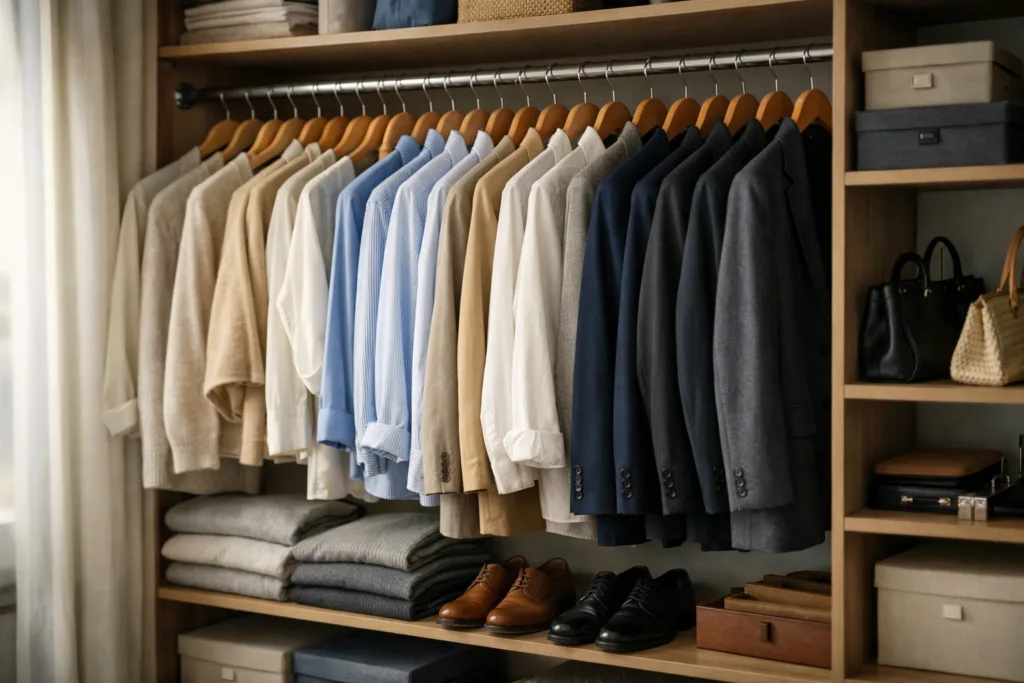
Designing for durability: extending garment lifespan is no longer optional for brands that hope to stay relevant—and responsible. As sustainable design becomes an industry expectation, every stakeholder—from designer to end-user—plays a role in shifting fashion toward long-term value, less waste, and a more circular system.
Frequently Asked Questions
What materials are best for long-lasting garments?
Fabrics like tightly woven or blended cotton, merino wool, and technical synthetics are durable and resist wear, keeping garments looking new for longer.
How do seam types affect garment durability?
Certain seams, such as flat-felled and French seams, protect raw edges and reduce unraveling, making clothes more robust for everyday use.
Can recycled materials still produce durable clothing?
Yes, modern recycled fibers often match or exceed virgin-fiber strength due to advanced processing and stringent quality control.
What simple steps can extend garment life at home?
Follow care instructions, wash clothes with gentle cycles, air-dry instead of tumble drying, and repair minor damages promptly to prevent further wear.
How do brands ensure the durability of their products?
Brands enforce strict quality control, use high-performance materials, and sometimes offer repairs or extended warranties to support garment longevity.
Why is durable design important for sustainability?
Durable garments reduce the need for frequent replacement, cutting down on raw material use, energy, and waste, driving more sustainable fashion cycles.
Related Reading
- Smart Label Choices: Woven vs. Printed for Longevity
- Transform Waste Into Value: Zero Waste Cutting Tactics
- How Mono-Material Design Empowers Recyclable Garments
- Mastering Circular Fashion Through Disassembly Design
- Eco-Friendly Labels: Boosting Garment Longevity and Sustainability
- Apparel Manufacturing Tools: From Fabric to Final Fit