
The Rise of Man-Made Cellulosic Fibers (Viscose, Modal, Lyocell) marks a new chapter in textile innovation. As sustainable textiles command more attention, cellulosic fibers like viscose, modal, and lyocell are catching the spotlight for their environmental promise and versatile use in apparel and beyond. In this guide, we examine what sets these fibers apart, how they’re made, and why brands, manufacturers, and consumers are turning to them for smarter, greener solutions.
What Are Cellulosic Fibers? Understanding the Basics
Cellulosic fibers are made from cellulose, a natural polymer found in the cell walls of plants. They can be divided into natural cellulosic fibers (like cotton and linen) and man-made or regenerated cellulosic fibers, where plant cellulose is dissolved and re-formed into filaments. This regenerated category includes the three big players: viscose, modal, and lyocell. By using wood pulp or bamboo as a source, these fibers combine some natural properties with enhanced process control.
The Evolution: Why Man-Made Cellulosic Fibers Are Surging

What explains the rise of man-made cellulosic fibers in sustainable textiles? There are several drivers:
- Consumers are more eco-aware, seeking alternatives to petroleum-based synthetics and resource-hungry cotton.
- Textile brands want a balance: soft handfeel, drape, dye-ability, and sustainability.
- Regulation urges lower-impact manufacturing and transparency in supply chains.
According to Apparel Wiki, the shift indicates an intersection of environmental responsibility and technical performance in the textile sector.
The Science Behind Man-Made Cellulosic Fibers
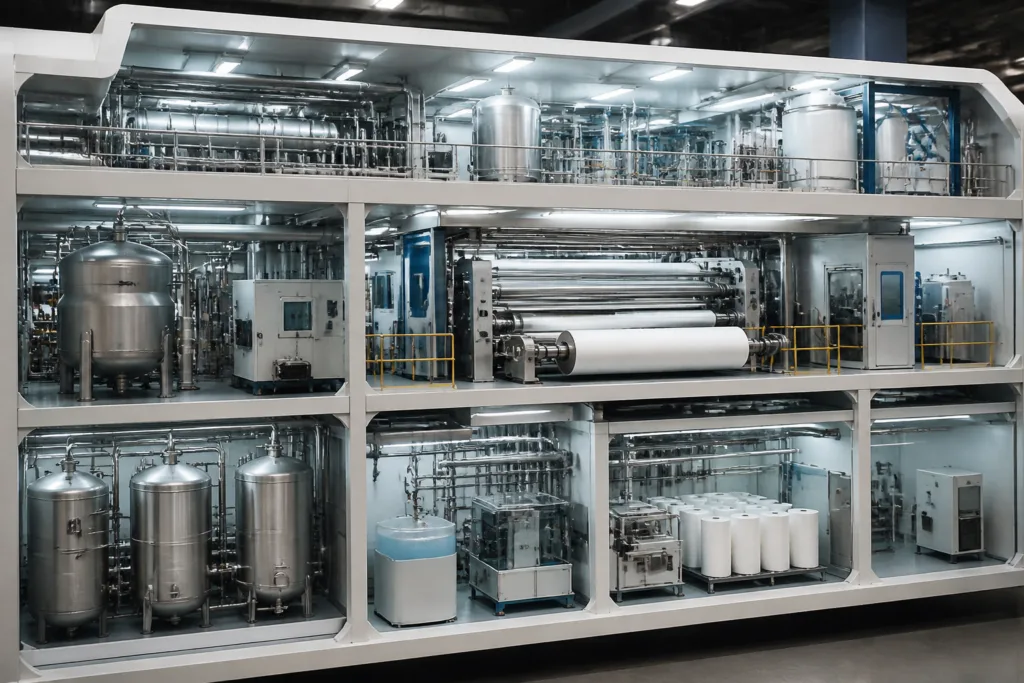
Regenerated cellulosic fibers start with plant material—most commonly fast-growing trees like eucalyptus, beech, or pine. The cellulose is chemically extracted from wood pulp, then processed and spun into filaments. The precise technology differs among fiber types, influencing their sustainability profile and physical properties.
Viscose, Modal, Lyocell: How Are They Made?
Let’s compare the fiber-making processes in more detail:
| Fiber | Source | Solvent & Chemicals | Recovery/Reuse Rate |
|---|---|---|---|
| Viscose | Wood pulp | Carbon disulfide, caustic soda | Low to moderate |
| Modal | Beechwood pulp | Similar to viscose, but with upgraded process control | Higher than viscose |
| Lyocell | Wood pulp (often eucalyptus) | N-Methylmorpholine N-oxide (NMMO; non-toxic, recyclable) | Very high (closed loop) |
Environmental Footprint: Cellulosic Fibers vs. Synthetics vs. Cotton
The environmental impact of man-made cellulosic fibers depends on many factors—including forest stewardship, chemical management, water use, and production methods. Lyocell stands out for its closed-loop process where >99% of solvents are recycled, slashing pollution risk. Compared to traditional synthetics like polyester (which use fossil fuels—see our breakdown of polyester vs. rPET), cellulosic fibers are biodegradable, can be sourced renewably, and emit fewer microplastics. Compared to cotton, which is water- and pesticide-intensive, responsibly sourced man-made cellulosics often fare better in life cycle analyses.
Sourcing and Raw Materials: The Importance of Responsible Forestry
Not all wood pulp is equal. Certified sourcing (like FSC® or PEFC™) ensures that trees are harvested with future forests in mind. Sustainable forestry practices reduce habitat destruction, support biodiversity, and guarantee that cellulosic fibers don’t contribute to deforestation—a major concern in the rise of cellulosic fibers for sustainable textiles.
Manufacturing Innovations: Cleaner Production for a Greener Planet
Today’s leading cellulosic fiber manufacturers have invested in cleaner processes. Some highlights include:
- Closed-loop solvent recovery, especially in lyocell (“TENCEL™” by Lenzing is well-known here)
- Modern wastewater treatment and emission reduction for viscose and modal
- Shifting to bioenergy, reducing carbon footprint
- Traceability platforms to track fibers from forest to fabric
Properties of Viscose, Modal, and Lyocell: Feel, Function, Performance
Why do designers and brands love these fibers? Some consistent strengths:
- Soft and smooth handfeel—ideal for apparel close to the skin
- Moisture management—good absorbency keeps things comfortable
- Breathe-ability—better than many synthetics
- Drape—fluid and elegant for fashion-forward silhouettes
- Biodegradability—these fibers break down faster than polyester, supporting eco-labeling and responsible disposal
How Cellulosic Fibers Affect Circularity and End-of-Life
Since these fibers are derived from cellulose, they’re biodegradable (under the right conditions). Unlike synthetics, which can persist and shed microplastics, viscose, modal, and lyocell can return to nature if disposed of properly, supporting a more circular textile economy.
Sustainability Certifications and Eco-Labeling
Eco-labels including OEKO-TEX®, EU Ecolabel, and FSC® help brands and shoppers identify which products are made using better practices. To learn more about fiber and product certifications, read our article on eco-design certification.
Key Use Cases: Apparel, Home Textiles, and Beyond
Man-made cellulosic fibers can be spun, woven, or knitted into products such as:
- Lingerie, T-shirts, dresses, and linings
- Activewear and athleisure
- Towels, bed linens, and home textiles
- Technical nonwovens (wipes, filters, etc.)
Each fiber brings something unique: viscose is affordable and versatile; modal offers strength and softness; lyocell brings premium softness with the lowest eco-footprint.
Consumer Preferences: Why Eco-Friendly Fibers Are Winning
Across the fashion and home textile markets, shoppers now ask where products come from and how they’re made. As sustainability takes the stage, cellulosic fibers gain ground—especially when storytelling around their benefit is clear, honest, and certified. Consumer surveys show willingness to pay a premium for truly green fibers, favoring lyocell and modal over conventional viscose or polyester.
Challenges and Pitfalls in the Rise of Cellulosic Fibers
No material is perfect. Key challenges include:
- Risk of greenwashing—uncertified “eco” viscose isn’t always sustainable
- Chemical safety during viscose production
- Potential for supply chain opacity
- Need for improved recycling techniques at end-of-life
Viscose, Modal, and Lyocell in Comparison with Other Apparel Fibers
| Property | Cotton | Polyester | Viscose | Modal | Lyocell |
|---|---|---|---|---|---|
| Handfeel | Soft | Slick | Silky | Super soft | Ultra soft |
| Wet Strength | Good | Excellent | Poor | Improved | High |
| Eco Profile | Variable | Poor | Medium | Good | Excellent |
| Breathe-ability | Good | Low | Good | Good | Good |
| Biodegradable | Yes | No | Yes | Yes | Yes |
For more on how natural and man-made fibers compare, refer to our Natural vs. Synthetic Fibers Guide.
Improving Sustainability Through Design and Manufacturing
More designers now select cellulosic fibers to reduce resource use, improve recyclability, and promote longer-lasting apparel. Techniques like minimalist construction, mono-material design, or design for disassembly also help clothing last longer and recycle easily.
Future Trends: Next-Gen Cellulosic Fiber Innovations
What’s next? Expect to see:
- “Circular viscose” made with recycled clothing as feedstock
- Bio-based solvents and even lower-impact processing
- Automated recycling to separate and regenerate mixed blends
- Blockchain-enabled fiber tracking for end-to-end traceability
Manufacturing Lead Times and Supply Chain Transparency
Planning to use cellulosic fibers? Fabric production, sampling, and bulk lead times can vary, so understanding the standard lead times for fabric and sampling is crucial for reliable delivery. Supply chain transparency also supports ethical sourcing from raw forest to finished product.
Cost Considerations: Are Sustainable Cellulosic Fibers Expensive?
While lyocell and modal may cost more per kilo than viscose or polyester, their value shows in reduced eco-taxes, higher brand reputation, and increasing consumer demand. Pricing is also improving as volume grows and new technology scales up.
Design Flexibility: Unlocking New Possibilities
Designers appreciate cellulosic fibers for their versatility—they take dye well, drape beautifully, and can be blended with other yarns to create novel textures or finishes. Creative designers use these fibers for everything from luxe loungewear to durable uniforms.
Service Life, Durability, and Garment Longevity
Lyocell and modal, in particular, offer excellent durability compared to earlier viscose types. With good care, garments made from these fibers can last—especially when paired with minimalist construction and thoughtful design choices. Apparel Wiki notes that fiber choice, garment structure, and finishing methods all contribute to overall life span.
Processing and Dyeing: Challenges and Solutions
Cellulosic fibers are friendly to most dyestuffs, allowing for vibrant colors and sharp prints. Smart processes minimize resource use, with digital printing presenting a low-water, lower-chemical path (see our guide to digital vs. screen printing impacts).
End-of-Life Disposal and Recycling: Progress and Gaps
These fibers are compostable in the right settings. Industrial recycling to regenerate them is advancing, but most municipal recycling centers aren’t yet equipped. Home composting may not be reliable for blended or finished garments, highlighting the need for further material sorting innovation.
Pitfalls to Avoid When Selecting Cellulosic Fibers
If sustainability is a goal, beware of uncertified sources, opaque supply chains, and greenwashing. Always ask for chain-of-custody documentation, seek out reputable certifications, and prioritize suppliers committed to transparent, modern production methods.
The Rise of Man-Made Cellulosic Fibers (Viscose, Modal, Lyocell)
This surge reflects both consumer and industry recognition that sustainability, innovation, and function can go hand in hand. As technology evolves, expect even more accessible, traceable, and lower-impact cellulosic options—strengthening their place in closets and supply chains everywhere.
Conclusion: The Future of Sustainable Textiles Looks Bright
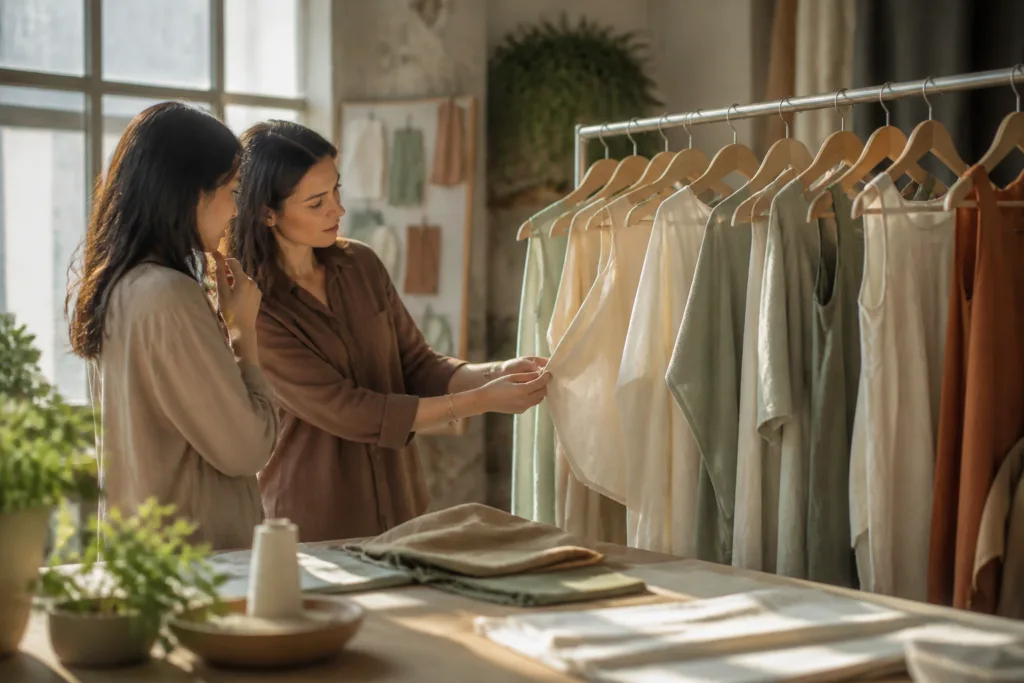
Man-made cellulosic fibers like viscose, modal, and lyocell are rewriting the narrative in textile sustainability. They offer brands and consumers a blend of natural comfort, robust performance, and legitimate eco-credentials. As sourcing, manufacturing, recycling, and innovation evolve, they’ll continue shaping the next generation of apparel and home textiles. Brands that embrace these materials today help move the fashion world toward a more sustainable, circular tomorrow.
Frequently Asked Questions
Are man-made cellulosic fibers biodegradable?
Yes, fibers like viscose, modal, and lyocell are biodegradable under suitable conditions and break down more easily than synthetics.
How do cellulosic fibers compare to cotton in sustainability?
Responsibly produced cellulosic fibers generally use less water and chemicals compared to conventional cotton, but impact depends on sourcing and processing.
Which fiber is the most eco-friendly: viscose, modal, or lyocell?
Lyocell is often considered the most sustainable due to its closed-loop process and non-toxic solvent recovery.
Can these fibers be recycled at end-of-life?
Industrial recycling for cellulosic fibers exists, but is not widespread; composting is usually possible if garments are not heavily blended or finished.
What certifications should I look for when sourcing sustainable cellulosic textiles?
Seek certifications like FSC®, PEFC™, OEKO-TEX®, and EU Ecolabel to ensure responsible sourcing and safer processing.
Do man-made cellulosic fibers perform well for activewear or technical apparel?
Yes, these fibers are breathable, moisture-wicking, and soft, making them popular in modern activewear and performance textiles.
Related Reading
- Natural vs. Synthetic Fibers: The Smartest Choices for Your Designs
- How Eco-Design Certification Empowers Truly Sustainable Products
- Industry Secrets: Lead Times for Fabrics, Sampling, and Bulk Production
- Digital vs. Screen Printing: Environmental Impact Decoded
- Design for Disassembly: Boosting Circular Fashion Success
- Polyester Unlocked: Comparing Virgin and Recycled for Greener Choices