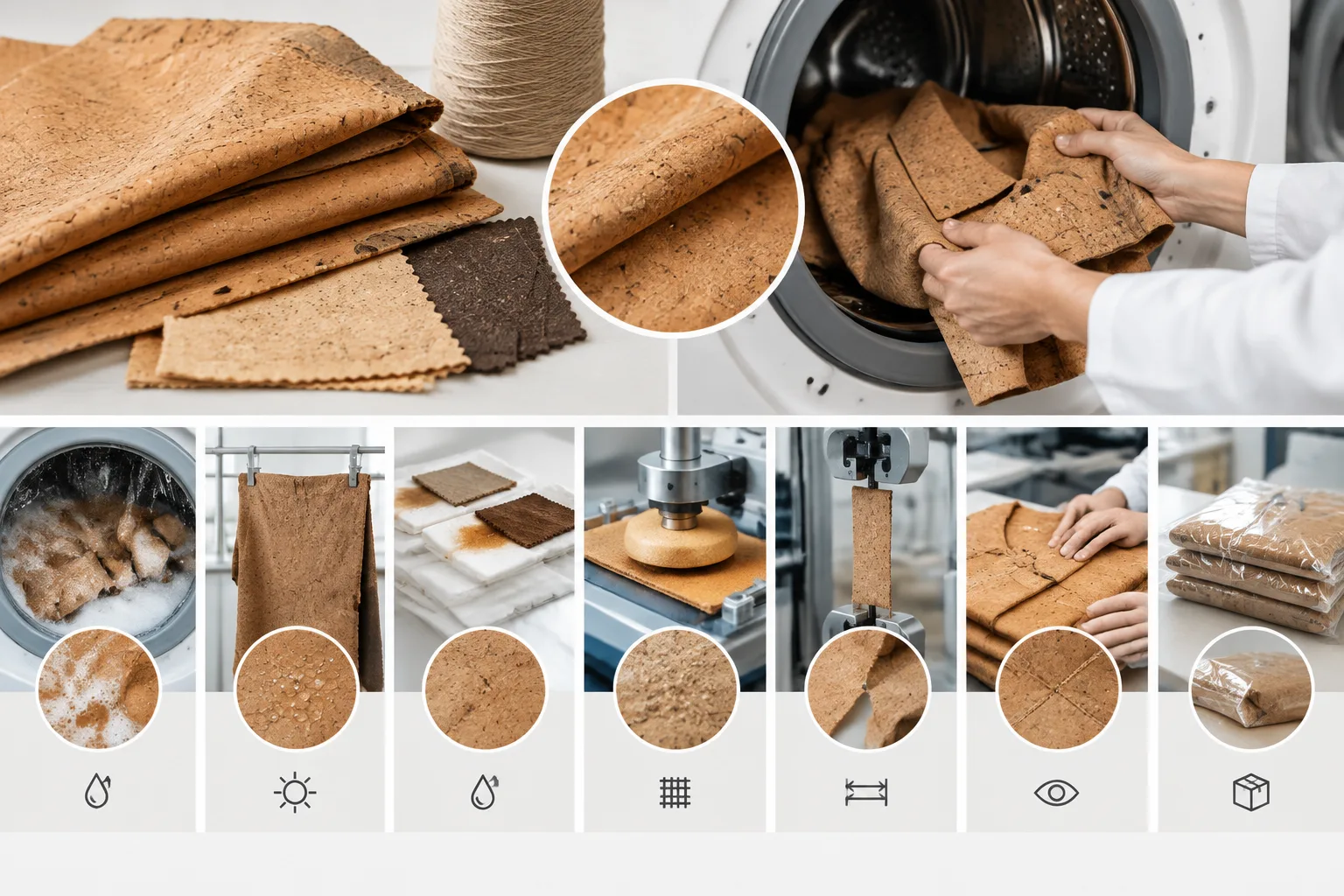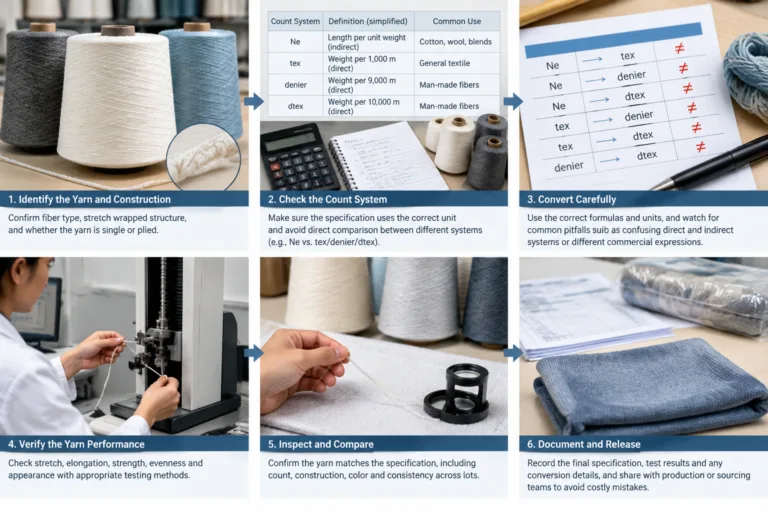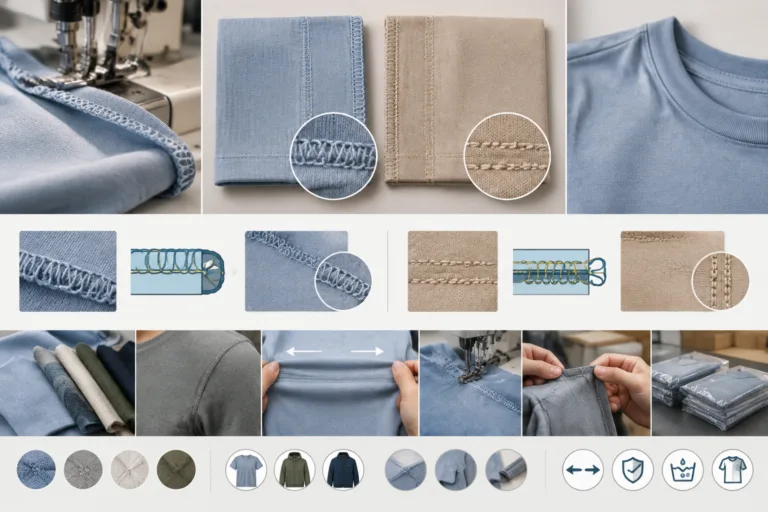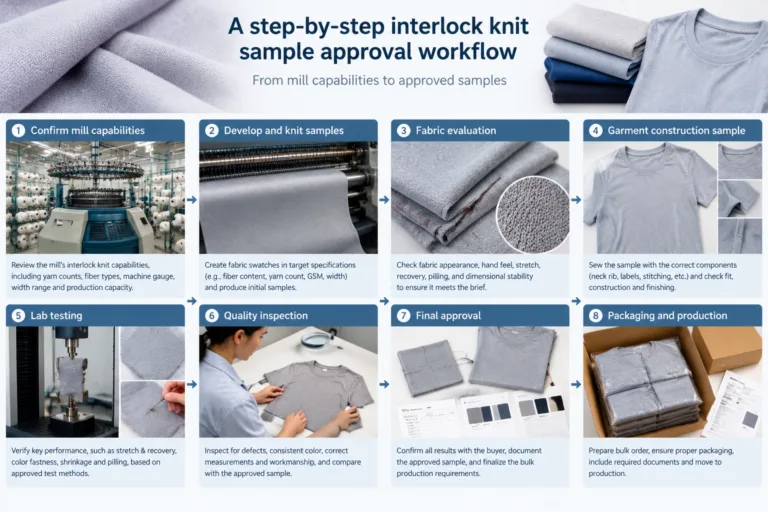
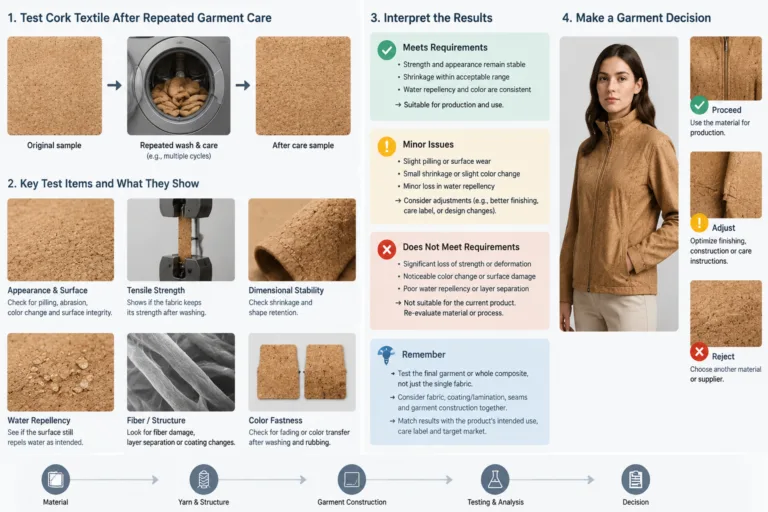
Cork textile durability testing compares a defined cork textile sample or garment before and after repeated, specified care exposure. The purpose is to identify changes that could affect appearance, fit, construction, comfort, or intended use. This is different from assuming that a material is durable because it has a commercial name or because it survives one care cycle.
In this article, cork textile means a material category that may combine a cork surface layer with a textile backing, bonding or coating system, and a particular garment construction. Composition and performance can vary significantly between products. Apparel Wiki is an independent educational publication; our Sponsor information explains the separation between sponsorship and editorial judgment. The guidance below is general development advice, not a certification, laboratory result, or universal product specification.
What Is Cork Textile Durability Testing After Garment Care?
A practical cork textile care test establishes a baseline, applies a documented sequence of garment-care exposures, and evaluates the same properties afterward. Depending on the product brief, those properties may include dimensions, surface appearance, layer integrity, flexibility, handle, or the condition of seams and other assembled areas.
The material name alone does not establish composition or durability. Two materials sold under similar cork textile or cork fabric descriptions may differ in surface thickness, textile backing, adhesive, coating, finish, construction, or permitted care conditions. Those differences can change how the material responds to folding, moisture, mechanical action, drying, pressing, and repeated use.
“Repeated” should describe a recorded test sequence rather than an assumed universal number of cycles. The planned exposure may come from an approved care instruction, a product requirement, or a development question. A meaningful result therefore identifies the exact material lot or sample, colorway, construction, care conditions, method, evaluation points, and decision criteria. Without that information, a result is difficult to reproduce or compare.
For brands, product developers, manufacturers, and quality teams, the central question is not simply whether cork fabric survives washing. It is whether the tested material and garment remain suitable for their intended use after the specified care exposure. Conclusions should stay tied to the exact material and garment configuration tested.
Which Changes Should Be Checked After Repeated Garment Care?
Begin with dimensional stability. Measure length and width in defined directions, and note any directional difference that could affect pattern balance, panel alignment, or fit. A change that appears minor on a small flat specimen may become more visible when it affects a shaped garment panel, a hem, a closure, or the relationship between adjacent materials.
Inspect the cork surface for cracking, peeling, flaking, delamination, abrasion, color change, gloss change, edge damage, and deformation where those features are relevant to the construction. Pay particular attention to folds, corners, cut edges, closure areas, and places that experience repeated bending. One observed defect should be treated as evidence about the tested sample and conditions, not as proof that every cork textile has the same weakness.
The backing and bonded layers also require attention. Check whether layers remain aligned and attached, whether the backing shows distortion, and whether seams or pressing have created localized stress. A flat material may look satisfactory while a finished garment reveals problems at seam lines, curved panels, reinforced areas, or high-flex zones.
Handle, drape, flexibility, and recovery can be assessed when they matter to the product brief. These observations should be made consistently, with the same evaluation approach before and after care. Visual inspection, dimensional measurement, hand assessment, and instrument-based testing are different evidence types; one should not be presented as a substitute for another.
How Should You Design a Repeated Garment-Care Test Sequence?
Start by identifying the sample precisely. Record the supplier or internal material reference, lot, colorway, surface construction, backing, finish, thickness or weight information when available, garment style, and the location being evaluated. For a finished garment, document relevant seams, panels, closures, interfacing, lining, and other components that could influence the result.
Define the care exposure from the approved care instruction or project requirement. Record the washing or cleaning process, cleaning medium where applicable, mechanical action, temperature, duration, drying, pressing, and any recovery or conditioning step used before evaluation. The current applicable method text and laboratory instructions should control technical details such as specimen preparation, equipment, conditioning, and ratings. ASTM International provides a relevant guide for textile-care procedure testing and evaluation at ASTM D6322-24; consult the full current document before specifying a protocol.
Set the planned number of repeated exposures from the purpose of the study or the product requirement. There is no single cycle count that establishes durability for every cork textile, garment, or market. Use comparable specimens or garment samples, document orientation and test zones, and capture baseline measurements and photographs before the first exposure.
Evaluate at defined checkpoints rather than only at the end. Repeated observations can show whether a change is progressive, appears suddenly, or is concentrated in one construction detail. At each checkpoint, record the same dimensions, photographs, surface observations, layer condition, and relevant functional assessments. Note deviations, environmental conditions when relevant, evaluator identity, and whether the assessment was performed internally or by a laboratory.
This framework supports planning, but it is not a complete standard operating procedure. When construction may influence performance, compare representative fabric specimens with selected finished-garment areas. The responsible laboratory or quality system should provide the applicable sampling, repeatability, reporting, and method requirements.
Which Variables Can Change the Result?
Before comparing two cork textile results, verify that the materials are genuinely comparable. Check composition, surface construction, backing, adhesive or coating system, thickness, weight, finish, colorway, and lot. A change in one of these features may be more important than a difference in the reported result itself.
Care conditions must also be controlled or documented. Water or cleaning medium, mechanical action, temperature, exposure duration, drying, pressing, load, and batch conditions can all affect the observed outcome where applicable. Record the measurement direction, conditioning state, evaluation scale, and result units consistently when comparing pre-care and post-care findings.
Garment structure introduces additional variables. Seam placement, panel curvature, reinforcement, closures, interfacing, lining, and high-flex areas can concentrate stress or restrict movement. This is why a satisfactory flat-fabric result does not automatically establish whole-garment performance.
Finally, separate method differences from material differences. Test methods describe how an attribute is measured, while a specification defines the outcome required for a particular product. Supplier claims, internal observations, and laboratory results are different evidence categories. Results from different methods should not be ranked by numerical size alone unless their conditions, units, sampling, and evaluation basis are understood.
How Do You Interpret Cork Textile Results for a Garment Decision?
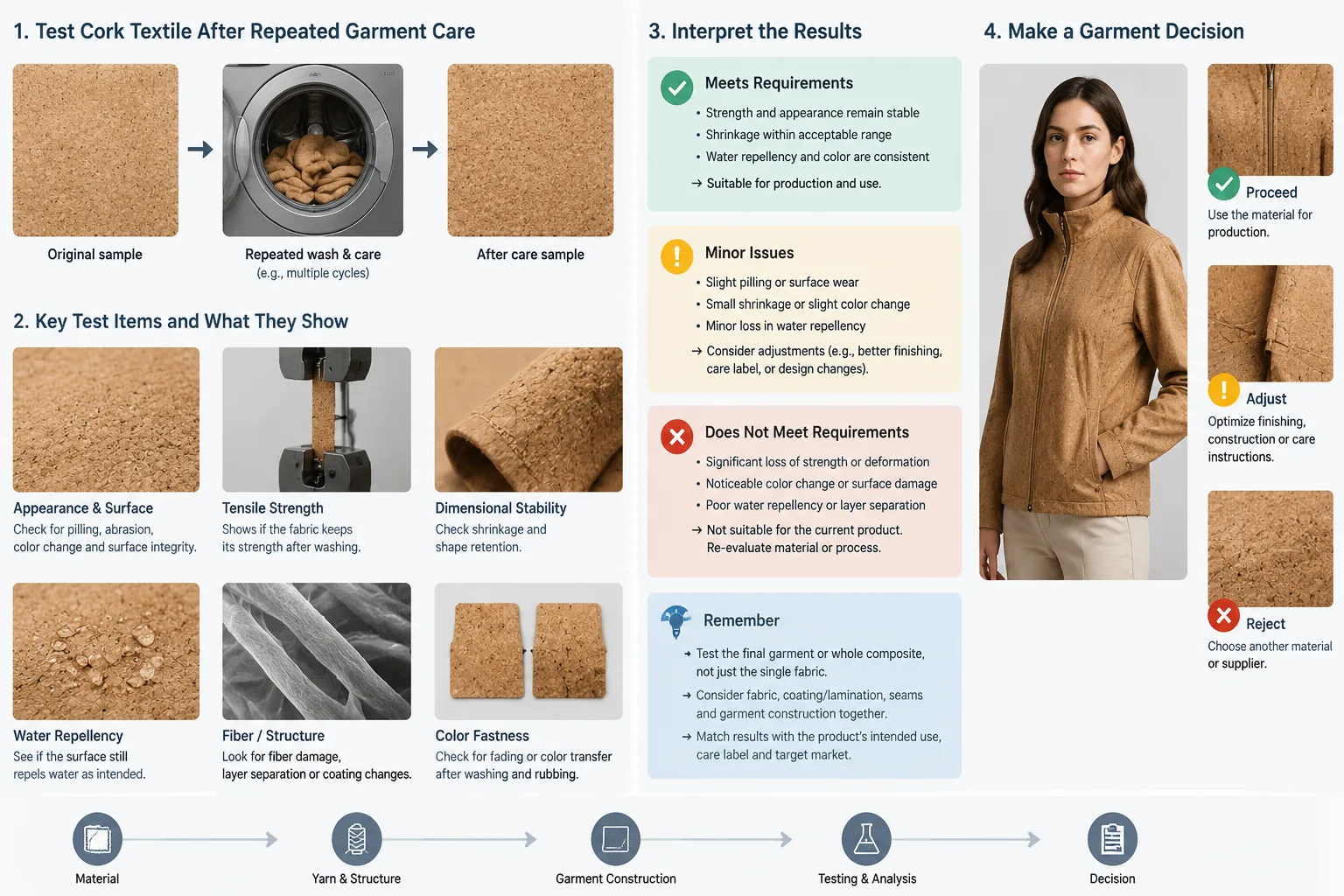
Interpretation starts with the pre-care baseline and each planned post-care checkpoint. Compare dimensions, surface appearance, layer integrity, backing condition, and relevant functional observations using the same measurement direction and evaluation approach. A useful report shows what changed, where it changed, and after which care exposure, rather than reducing the result to a general statement that the material either passed or failed.
Separate cosmetic change from functional failure, but do not assume that appearance is unimportant. A small gloss or color change may be acceptable for one product and unacceptable for another. Cracking, peeling, delamination, edge damage, or loss of flexibility may affect use even when the overall garment still looks presentable. Review folds, seams, closures, edges, and high-contact areas because the most vulnerable location may determine the garment decision.
Acceptance criteria should come from the product specification, intended use, buyer requirement, or another validated requirement relevant to the project. A decision rule might be to accept the material, investigate the result, revise the care instruction, modify the construction, or reject the material for that use. This is why a test method describes how an attribute is measured, while a specification defines the outcome the product needs.
For dimensional change, record the original dimension, the post-care dimension, the direction measured, and the sign convention. As a hypothetical reporting example, a length changing from 50 cm before care to 48 cm afterward represents 4% shrinkage when calculated as (50 – 48) / 50 x 100. This is an explanation of reporting, not a cork textile benchmark. One result also cannot establish a lifetime claim or prove overall durability across every property.
What Are the Limits of Repeated-Care Testing?
A repeated-care test represents the documented exposure used in that evaluation. It does not automatically predict every consumer behavior, including different washing conditions, stain treatments, storage environments, repairs, or accidental pressing. The result is valuable when its care sequence, sample identity, checkpoints, and evaluation criteria are clear, but its meaning remains bounded by those conditions.
A flat swatch is useful for isolating material behavior, yet it cannot fully reproduce a finished garment. Pattern shaping, seam allowances, edge finishing, closures, interfacing, lining, reinforcement, and panel curvature can change how forces move through the product. A flat specimen may show acceptable surface or dimensional behavior while a garment develops stress at a seam, fold, opening, or bonded edge.
Results from one lot, colorway, finish, backing, or construction should not be generalized to every cork textile. Different samples may differ in composition and layer design even when they share a commercial material name. Reports from different laboratories or methods may also use different preparation, conditioning, rating systems, units, or sampling plans. Their results should be compared only after those foundations have been checked.
Care instructions deserve a separate review. A short internal trial may reveal useful risks, but it does not by itself establish a final care recommendation or satisfy market-specific requirements. The responsible product team should connect verified material performance with the garment design, intended use, applicable requirements, and evidence from representative samples. Apparel Wiki provides educational information and is not a testing laboratory, certifier, manufacturer, or service provider.
A Practical Cork Textile Durability-Test Checklist
Use the following checklist to turn cork textile durability testing into a documented development or quality decision:
- Confirm the exact material identity, supplier documentation, surface construction, backing, finish, lot, colorway, and intended garment use.
- Define the care exposure, repetition plan, drying and pressing steps, specimen or garment format, checkpoints, and decision criteria before testing begins.
- Capture baseline dimensions, photographs, condition, and relevant observations before the first care exposure.
- Mark or identify comparable locations and measure the same properties after each planned checkpoint.
- Inspect seams, folds, edges, closures, bonded areas, coated surfaces, and other locations likely to experience concentrated stress.
- Record dimensional change, surface damage, layer integrity, color or gloss change, handle, flexibility, and function only where each property matters to the product brief.
- Review the report for the method and version, sample identity, conditioning, care history, results, units, deviations, photographs, and evaluator notes.
- Separate supplier information, internal observations, and laboratory findings when weighing contradictory evidence.
- Escalate uncertain findings to a qualified laboratory, materials specialist, or responsible product-quality team before finalizing care instructions or production decisions.
The appropriate test scope depends on risk, intended use, construction, and the consequences of failure. For related planning resources, continue with the Apparel Manufacturing Tools available on Apparel Wiki, then match any selected method to its current authoritative instructions and the project specification.
How is cork textile durability tested after repeated garment care?
Document the material and garment baseline, expose representative samples to a specified repeated-care sequence, and compare dimensions, appearance, layer integrity, and relevant function at defined checkpoints.
Which changes should be checked in cork textile after washing or other care exposure?
Check dimensional change, cracking, peeling, delamination, flaking, abrasion, color or gloss change, edge damage, backing condition, flexibility, and stress at seams or closures where relevant.
Can a flat cork textile swatch predict how a finished garment will perform?
It can provide useful material evidence, but it cannot fully predict performance in shaped panels, seams, edges, closures, or other garment constructions.
How should shrinkage or dimensional change be reported for cork textile?
State the original and post-care dimensions, measurement direction, conditioning state, units, and sign convention. A 50 cm length changing to 48 cm is 4% shrinkage when expressed as the positive reduction from the original length.
Why can two cork textile durability test reports show different results?
Material identity, lot, construction, care exposure, conditioning, sampling, test method, evaluation scale, and reporting units may differ. Numerical results should not be ranked without comparing those conditions.
Does passing a repeated-care test prove that every cork textile garment will last?
No. It supports a conclusion about the tested material, construction, care exposure, and evaluated properties. It does not establish universal performance, lifetime, or suitability for every garment.