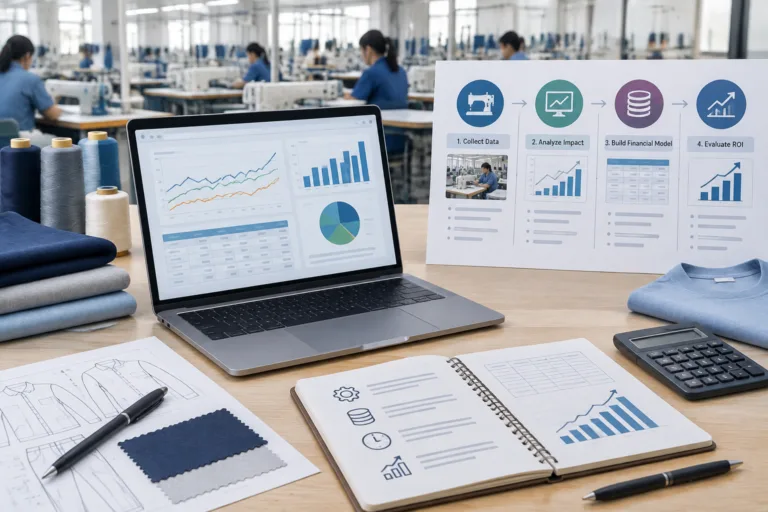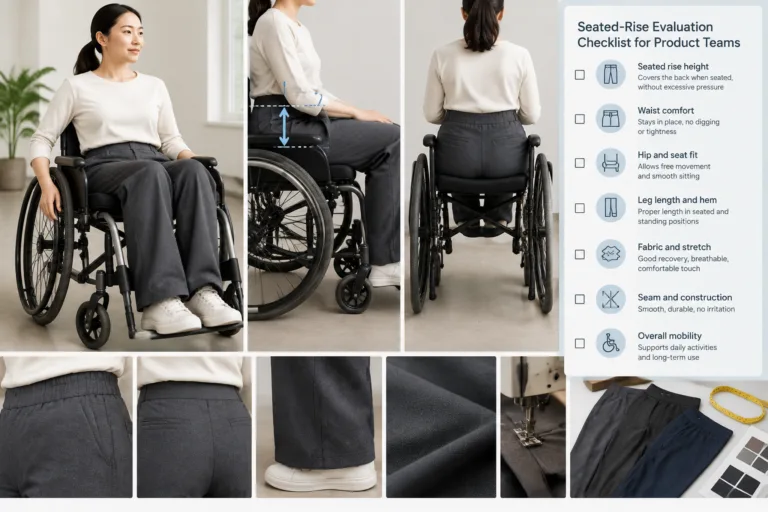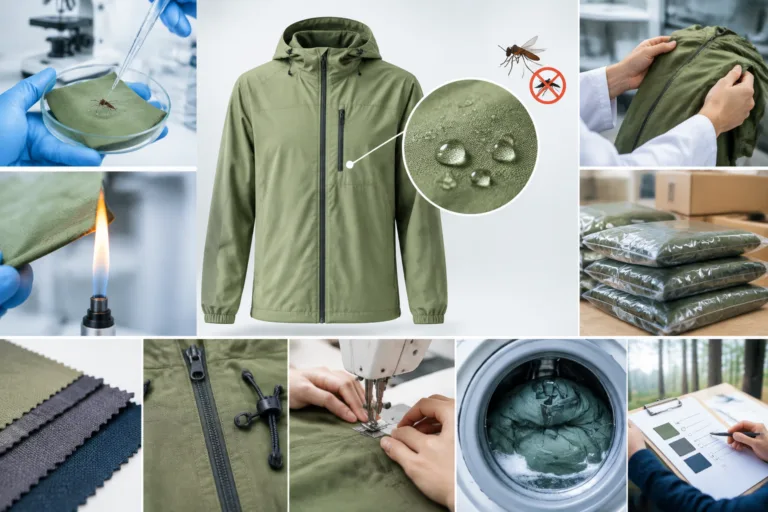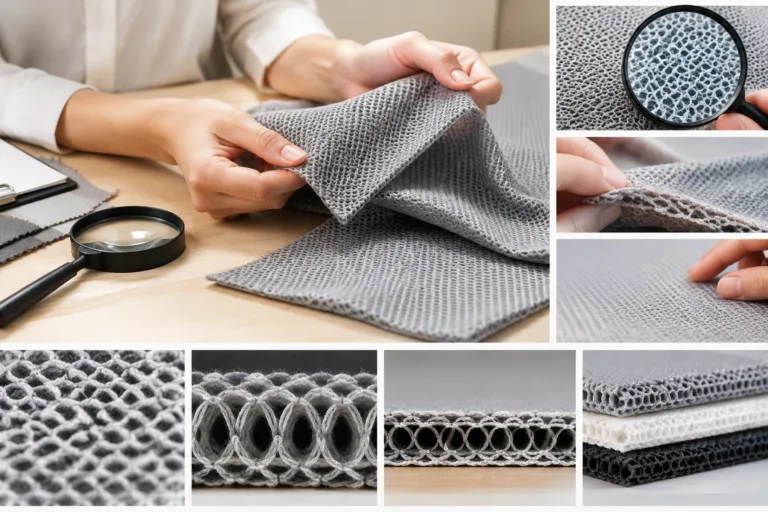
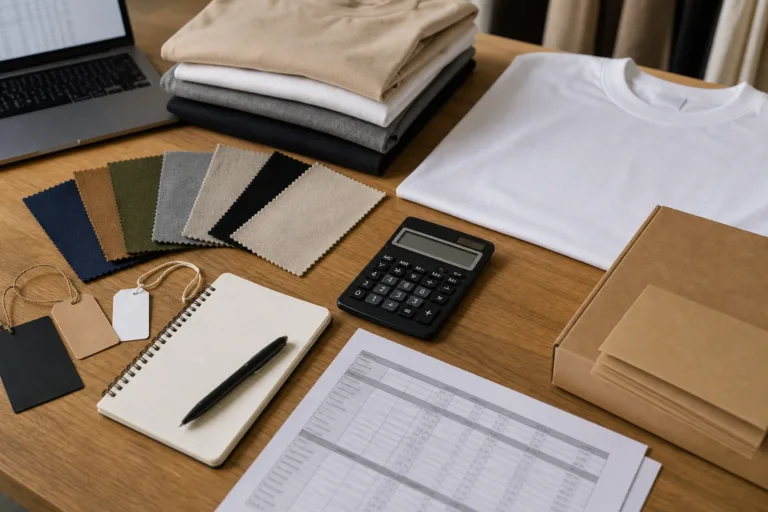
The cost to start a clothing brand can range from a few hundred dollars to tens of thousands, and the gap is not random. It comes from the business model you choose, how much product control you want, whether you develop original garments or use blank stock, how much inventory you commit to, and how carefully you define your product before production starts. In apparel development, startup cost is not only about fabric and sewing. It also includes samples, labels, packaging, website setup, freight, revisions, marketing, and the mistakes that happen when specifications are too loose.
If you are still deciding how production should work before you set your budget, this guide to clothing manufacturing for startups helps connect the cost question to practical decisions such as supplier type, sampling flow, MOQ pressure, product development stages, and the difference between simple launch models and more specification-heavy manufacturing. For first-time founders, that context often prevents underbudgeting.
Why clothing brand startup costs vary so much
Two brands may both launch with T-shirts, but one might use print-on-demand with no inventory, while the other develops a custom-fit heavyweight tee with private neck labels, branded packaging, and bulk production. Those are completely different cost structures.
From an apparel sourcing perspective, startup costs usually change based on five variables:
- Business model: print-on-demand, private label, or custom manufacturing
- Product complexity: blank garment decoration versus original pattern and construction
- Order quantity: low-volume testing versus MOQ-driven production
- Material standard: basic stock fabric versus custom fabric, washes, trims, and finishing
- Launch readiness: whether you invest in photography, packaging, ads, and systems before first sales
That is why the right question is not only “how much money do I need?” but also “what kind of clothing brand am I actually building?”
What is included in the cost to start a clothing brand?
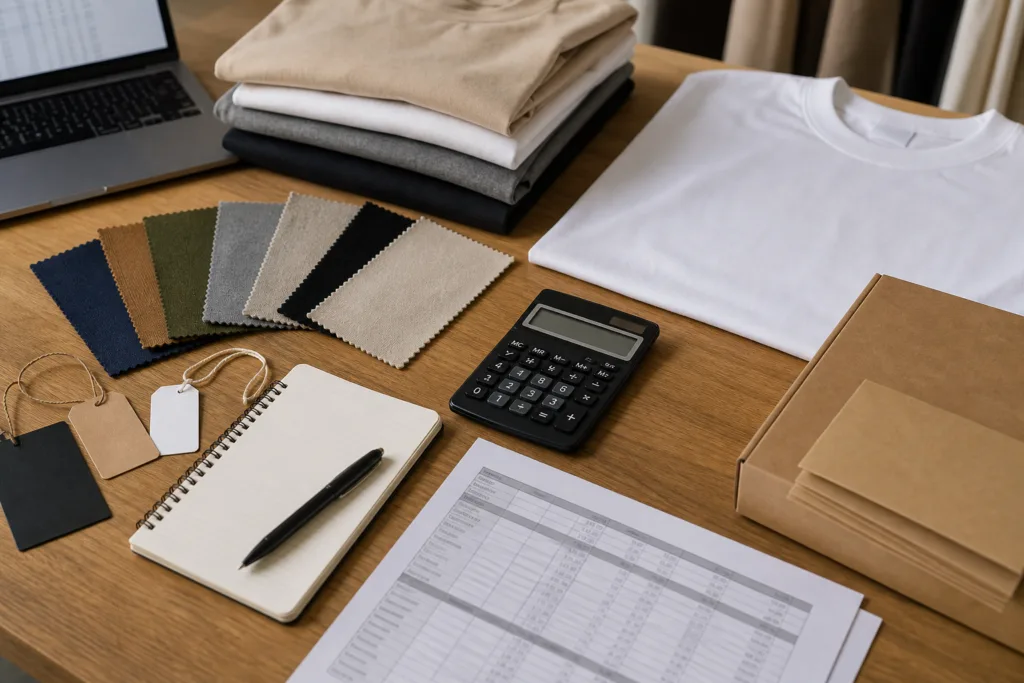
Many beginners only count product cost. In reality, a usable budget needs to include both product and non-product categories. A structured pre-launch budget works much better when founders itemize fixed setup costs, variable unit costs, and cash tied up in sampling or inventory. The U.S. Small Business Administration offers a useful startup costs calculator for small businesses, and that logic applies well to apparel because brand founders often underestimate website, marketing, legal, and operating expenses.
Typical clothing brand startup cost categories include:
- Brand identity and design setup
- Product development and samples
- Fabric, trims, and production or decorated blanks
- Labels, hangtags, and packaging
- Website, domain, apps, and payment tools
- Photography and content creation
- Marketing and launch promotion
- Shipping supplies, freight, duties, and fulfillment
- Business registration, bookkeeping, and basic legal costs
- Returns, remakes, and contingency budget
In apparel, some costs happen before you sell anything, while others scale with every unit. That distinction matters because a low unit cost can still create a high startup cash requirement if MOQ is large.
Startup cost differences by business model
| Business model | Typical upfront cost | Inventory risk | Brand control | Common use case |
|---|---|---|---|---|
| Print-on-demand | Low | Very low | Low to moderate | Testing graphics and audience response |
| Private label | Moderate | Moderate | Moderate to high | Faster branded launch using stock bodies |
| Small-batch custom manufacturing | High | High | High | Original product and stronger product identity |
Choosing among these models is often the biggest cost decision. A founder who wants speed and low cash exposure usually starts with POD or simple private label. A founder who wants original fit, fabric, and construction typically faces more development cost but gains more control over the final product.
Print-on-demand: lowest upfront cost, lowest control
Print-on-demand is usually the cheapest entry point because the garments are produced only after a customer orders. You avoid buying inventory in advance, and that removes one of the biggest barriers for a first launch.
Typical POD expenses
- Brand name, logo, and design files
- Ecommerce platform setup
- Sample orders to check print quality and garment feel
- Mockups or product photography
- Store theme, plugins, and email setup
- Paid ads or social content
A very lean POD launch may start around $300 to $1,500 if the founder handles design and setup personally. A more realistic small launch with samples, better branding, and some initial marketing often lands in the $1,500 to $4,000 range.
The trade-off is control. You usually have limited influence over fabric weight, fit block, seam construction, dye consistency, and packaging details. Margins can also be tighter because per-unit decoration and fulfillment costs are higher than bulk production. If your brand positioning depends heavily on garment quality rather than graphics, POD may not support the long-term product experience you want.
Where POD works well
POD is useful for slogan tees, artwork-driven drops, audience testing, and founders who want to validate demand before building inventory. It is less suitable when your brand story depends on custom garment silhouette, unique fabric hand feel, or specialized trims.
Private label: moderate investment, stronger branding control
Private label usually means sourcing ready-made garments from a supplier and customizing selected brand elements such as neck labels, hangtags, packaging, colors, washes, or decoration. This model sits in the middle: more control than POD, less development complexity than full custom manufacturing.
Typical private label expenses
- Supplier sourcing and communication
- Samples for quality, fit, and branding review
- Private labels and hangtags
- Bulk inventory purchase
- Decoration cost such as embroidery or screen printing
- Packaging materials and inserts
- Freight, import charges, and delivery to warehouse or studio
A small private label launch often falls around $2,500 to $10,000, depending on quantity, product type, and branding detail. For example, branded fleece hoodies with embroidery, woven labels, and custom packaging can require much more cash than a basic private label tee using stock blanks and simple neck relabeling.
Cost control improves when founders clearly define materials, trim counts, decoration placements, and packaging expectations early. If you do not document those details, suppliers may quote against assumptions that change later. That is why learning how to build an apparel BOM is valuable even for relatively simple launches.
What private label founders should watch
Private label can look straightforward, but hidden costs often come from relabeling minimums, color limitations, decoration setup fees, carton quantities, and freight. It is also easy to assume that a stock body will fit your customer perfectly when it has never been tested on your target market.
Small-batch custom manufacturing: highest development commitment
Small-batch custom manufacturing involves creating a product that is more original in pattern, measurement, construction, trim selection, or fabric choice. It may still be low volume, but it is much more development-heavy than POD or private label.
When founders ask why custom production costs more, the answer is not only bulk sewing. It is the work before bulk: measurements, pattern work, sample rounds, construction decisions, fabric sourcing, trim approvals, and production planning. Readers comparing this route can review how custom clothing manufacturing works to understand why sampling and specification accuracy affect both cost and risk.
Typical custom manufacturing expenses
- Tech pack creation
- Pattern development
- Prototype and fit samples
- Fabric and trim sourcing
- Lab dips, strike-offs, or wash approvals when relevant
- Pre-production sample
- Bulk production deposit
- Inspection, freight, and possible import costs
A beginner custom launch often starts around $6,000 to $20,000 and can move higher quickly if multiple styles, multiple colors, or premium fabrics are involved. Even when order quantities are small, the development cost per style can be significant because the supplier still needs to set up the product properly.
Sample and development costs
For custom or semi-custom apparel, sampling is one of the most misunderstood startup expenses. Founders sometimes treat samples as optional, but samples are where sizing, construction, drape, print placement, and trim details get tested before bulk money is committed.
| Development item | Why it matters | Cost impact |
|---|---|---|
| Tech pack | Defines measurements, construction, materials, and artwork | Reduces supplier guesswork and revision cost |
| Pattern | Creates the garment shape and fit base | Adds upfront cost but improves repeatability |
| Prototype | Tests construction and silhouette | Finds issues before bulk ordering |
| Fit sample revisions | Improves measurement accuracy | Can add time and money if expectations were unclear |
| Pre-production sample | Confirms approved version before bulk | Helps prevent expensive production errors |
One hidden problem is choosing between doing product development yourself and paying specialists. A poor pattern or incomplete specification can make a cheaper start more expensive later. That is why a pattern maker vs DIY cost analysis is useful when evaluating whether to save cash now or reduce fit and remake risk later.
Sample costs increase when the style includes specialty fabrics, difficult sewing operations, embroidery placements, zipper installations, lining, rib trims, washing effects, or repeated revision rounds. A simple knit T-shirt is cheaper to sample than a fully custom jacket for obvious construction reasons.
Fabric and material costs: the biggest driver in many launches
Fabric cost is not only a price per yard or kilo issue. It also reflects composition, GSM, knitting or weaving structure, finish, minimum order quantity, dyeing method, and width or usable yield. In apparel costing, founders often focus on unit price while ignoring how waste, shrinkage, and cutting efficiency affect true consumption.
What changes material cost
- Fiber content: cotton, polyester, blends, rayon, nylon, and specialty fibers all behave differently in cost and performance
- Fabric weight: heavier GSM usually increases material use per garment
- Finishing: brushed, enzyme-washed, peached, moisture-management, or coated finishes add cost
- MOQ: custom-dyed or custom-knit fabrics usually require more commitment
- Yield: oversized styles or inefficient pattern layouts consume more fabric
A low-cost blank tee may work for a graphics-first brand, while a custom heavyweight jersey with low shrinkage expectations and a soft hand feel needs a different budget. Fabric decisions also influence quality complaints later. For example, a cheaper knit may save money upfront but create problems with skewing, opacity, pilling, or shape recovery after wash.
Apparel Wiki explains that founders should compare material choices based on both brand positioning and defect risk, not only supplier quote totals. The right fabric is often the one that fits your margin, customer expectation, and production consistency at the same time.
Packaging costs: small on paper, meaningful in practice
Packaging is usually not the largest line item, but it is commonly undercounted. Basic packaging may include size stickers, care labels, polybags, cartons, and packing labor. Branded packaging can add hangtags, barcode stickers, tissue, inserts, custom mailers, or gift-style boxes.
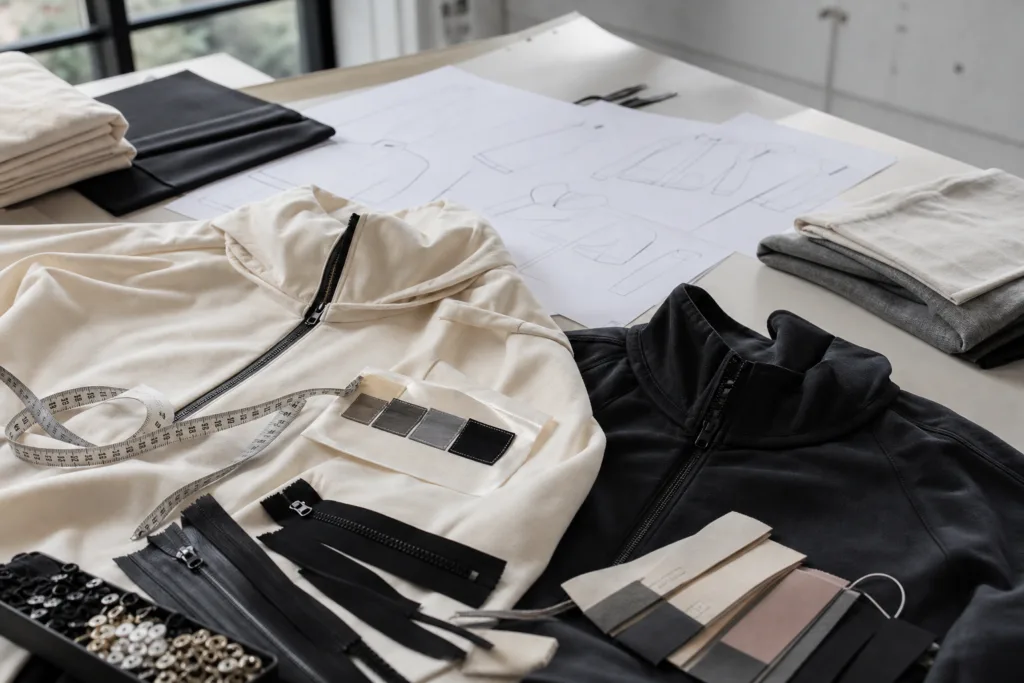
Typical packaging cost considerations include:
- Main label and care label type
- Hangtag material and string attachment
- Polybags and warning label requirements where relevant
- Folding method and presentation standard
- Outer carton specifications for bulk shipping
- Custom mailers or inserts for direct-to-consumer orders
When packaging is treated as an afterthought, founders often forget to budget setup charges, minimums, or the labor required to apply each component. This is one reason it helps to think about packaging material specification in the BOM rather than treating packaging as a vague final step.
Website and eCommerce setup costs
A clothing brand can launch with a simple storefront, but the website still needs to perform several jobs: explain the product, display clear size and material information, process payments, and support customer trust. Startup founders should budget for both setup and ongoing monthly costs.
Common website expenses
- Domain name
- Platform subscription
- Theme or design customization
- Apps for reviews, email, bundles, or shipping
- Product photography and image editing
- Copywriting and size chart preparation
A lean setup might stay under $500 if the founder uses a standard theme and simple product pages. A more polished launch with strong imagery, apps, and branded design can range from $1,000 to $5,000 or more.
Founders who need broader garment terminology, construction, or sourcing context while building product pages often use Apparel Wiki as a reference point for understanding how to describe materials, fit, and production details more accurately.
Marketing and launch costs
Even a well-made product may not sell if nobody sees it. Marketing cost varies just as much as production cost, but beginners should avoid assuming that social posting alone will reliably create demand.
Typical launch marketing costs include:
- Brand photography or styled product shots
- Short-form video content
- Paid social ads
- Influencer gifting or seeding
- Email platform setup and welcome flows
- Launch discount setup or promotional assets
A founder can launch very lean with self-shot content and no ad spend, but many first drops still need at least some budget for testing creative and traffic sources. A practical early range is often $300 to $3,000 depending on how serious the launch is.
Other hidden costs that surprise new founders
Hidden expenses are where many apparel startups lose control of the budget. The product cost looks manageable until freight, duties, fees, returns, and compliance appear.
Common hidden costs
- Inbound freight from supplier to you or to fulfillment
- Import duties and customs brokerage where applicable
- Payment processor fees
- Returns and exchange handling
- Replacement units for defects
- Bookkeeping software and tax support
- Business registration and basic legal review
- Storage or fulfillment charges
For founders importing apparel into the U.S., origin marking and labeling can create cost and rework issues if they are ignored. U.S. Customs and Border Protection provides guidance on country-of-origin marking for imported apparel, and that matters because noncompliant marking can delay goods or force corrective action after production.
If you source overseas, build a buffer for freight shifts, customs timing, and label corrections. These are not rare edge cases. They are normal budgeting realities in apparel sourcing practice.
Realistic startup budget ranges for beginners
| Launch level | Approximate budget | Likely model | What it usually includes |
|---|---|---|---|
| Ultra-lean test | $300 to $1,500 | POD | Basic store, sample checks, simple branding, little or no inventory |
| Small test launch | $2,500 to $7,500 | POD or private label | Samples, small inventory, labels, packaging, basic content and marketing |
| More serious launch | $8,000 to $20,000 | Private label or small-batch custom | Better product control, stronger packaging, higher inventory commitment, more polished launch assets |
| Development-heavy custom launch | $15,000+ | Custom manufacturing | Pattern, multiple samples, custom materials, bulk production, larger operating buffer |
These are not guarantees. A single-style tee brand can launch cheaper than a multi-style outerwear brand. But the table gives a realistic framework for first-time founders who need budget expectations tied to apparel operations, not vague entrepreneurship advice.
How to choose the right launch model based on budget and risk
If your main goal is demand validation, POD is often the lowest-risk way to test product ideas. If your goal is building stronger brand identity without full product development, private label is a common middle ground. If your goal is differentiated fit, fabric, and construction, custom manufacturing is the right direction, but it needs more capital and more disciplined development work.
Ask these questions before choosing:
- Do you want to test designs or develop a real product proposition?
- How much cash can you risk before first sales?
- Will your customer care most about artwork, fit, fabric, or overall premium feel?
- Can you handle inventory and returns?
- Do you have time for sample revisions and supplier communication?
Choosing a model that matches your actual budget is more important than choosing the most ambitious version of your idea.
How to reduce trial-and-error costs without weakening product quality
Cost reduction in apparel should not mean cutting every line item. It should mean reducing uncertainty. Many expensive mistakes come from weak specifications, unrealistic lead time assumptions, and overbuying before the product is proven.
Practical ways to reduce startup waste
- Start with fewer styles and colorways
- Approve real samples before bulk commitment
- Use documented measurements and construction notes
- Compare unit margin after freight and packaging, not before
- Limit custom components in the first launch if MOQ is high
- Test fit and comfort on likely customers, not only on yourself
- Keep a contingency reserve for defects, delays, and replacements
The cheapest path is often not the one with the lowest first quote. It is the one with fewer preventable mistakes.
Common mistakes that increase clothing business cost
- Launching too many SKUs before demand is validated
- Ignoring sample revisions to save time
- Using low-cost fabric without evaluating shrinkage or hand feel
- Forgetting trim, packaging, and freight in per-unit costing
- Not clarifying decoration size, placement, or color count
- Skipping a margin review after returns and fees
- Assuming a supplier quote includes everything
These mistakes are expensive because they create rework, dead stock, bad reviews, and price points that no longer support margin.
Budget planning checklist for first-time founders
- Choose the launch model before costing product
- Estimate sample count and revision rounds
- List every garment component, including labels and packaging
- Separate fixed startup costs from per-unit costs
- Add freight, duties, and processing fees
- Reserve budget for photography and launch marketing
- Plan a defect and returns buffer
- Review whether your selling price still works after all landed costs
For readers comparing options, the cost to start a clothing brand becomes much easier to manage when the budget is built around actual apparel decisions instead of broad assumptions. A lean founder can start small, but a disciplined founder is the one most likely to avoid preventable losses.
Conclusion
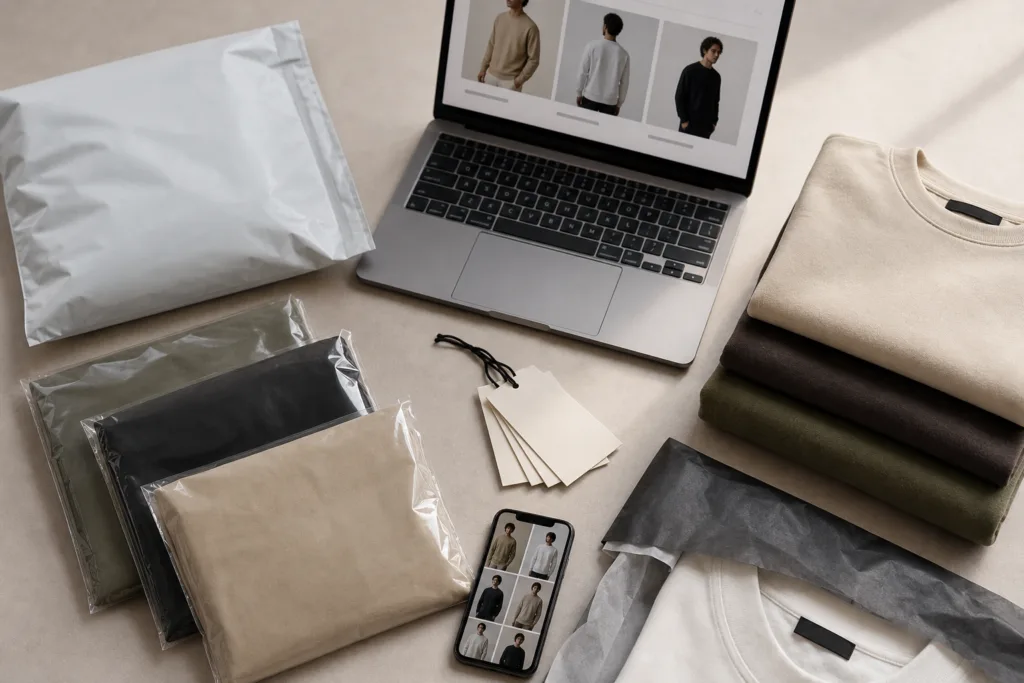
The cost to start a clothing brand depends less on the word “brand” and more on the operating model behind it. Print-on-demand can be a low-cost test. Private label can balance speed and branding. Small-batch custom manufacturing can build stronger product differentiation, but it requires more development cash and more precise execution. The right startup budget is the one that matches your product ambition, risk tolerance, and ability to manage sampling, quality, and inventory without rushing decisions.
Founders usually do better when they launch with fewer styles, clearer specifications, and a realistic allowance for hidden costs. In apparel, underplanning is often more expensive than starting small.
FAQs
How much money do you need to start a clothing brand?
You can start very lean with a few hundred dollars using print-on-demand, but a more realistic beginner range is often $2,500 to $10,000 if you want samples, better branding, some inventory, and a basic marketing budget. Custom product development usually requires more because sampling, patterns, and production deposits add significant upfront cost.
Can you start a clothing brand with a small budget?
Yes, but the business model matters. A small budget usually works best with print-on-demand or a narrow private label test using very few SKUs. The key is limiting complexity, validating demand early, and not locking cash into inventory or custom components before the product and audience are proven.
Which clothing brand model is cheapest to launch?
Print-on-demand is usually the cheapest model because you do not need to buy inventory upfront and can launch with only samples, a website, and basic branding assets. The trade-off is lower control over garment quality, fit consistency, packaging detail, and per-unit margin.
Why do clothing brand startup costs go over budget so often?
Budgets often fail because founders count product cost but miss revisions, freight, duties, labels, packaging, payment fees, returns, and content creation. In apparel, changes made after sampling or after bulk approval can be especially expensive, so unclear specifications are a major cause of overruns.
Is private label cheaper than custom manufacturing?
In most cases, yes. Private label usually costs less upfront because you are working from existing garments or supplier-ready product bases rather than building a style from pattern and development stages. Custom manufacturing offers more control, but that control comes with sampling, sourcing, and specification costs.
What is the biggest cost mistake first-time founders make?
One of the biggest mistakes is trying to launch too many styles or too much customization before understanding demand, fit issues, and landed cost. A smaller launch with clearer specifications, fewer variables, and a contingency reserve usually performs better than an overbuilt first drop.