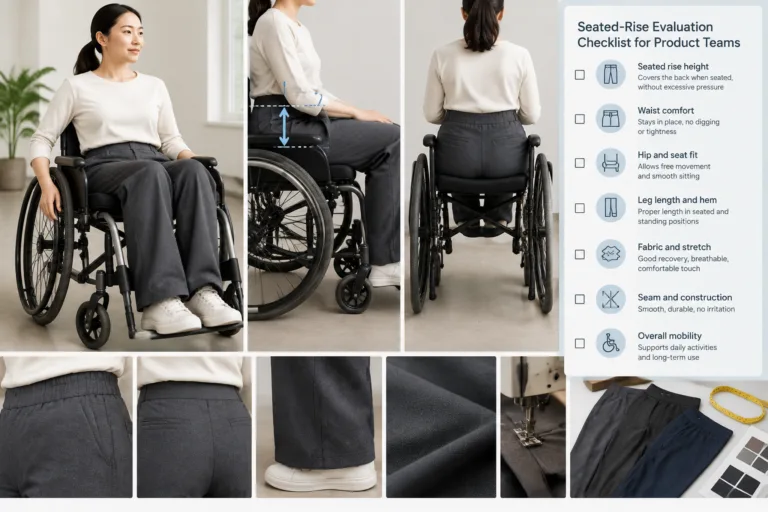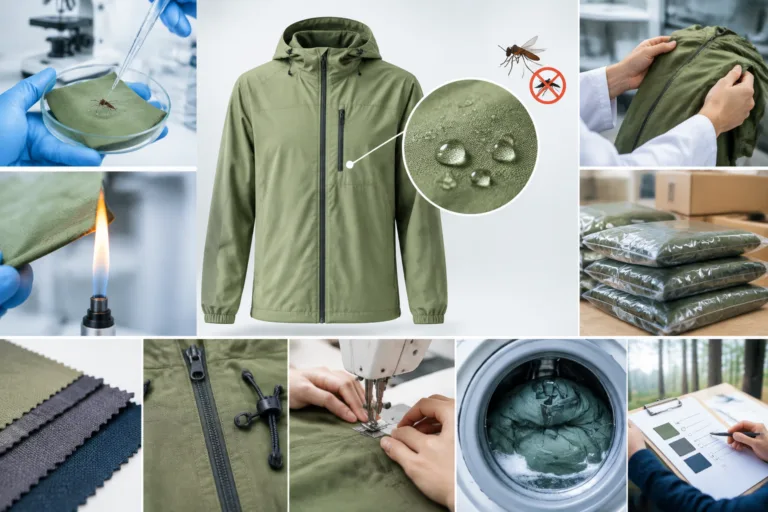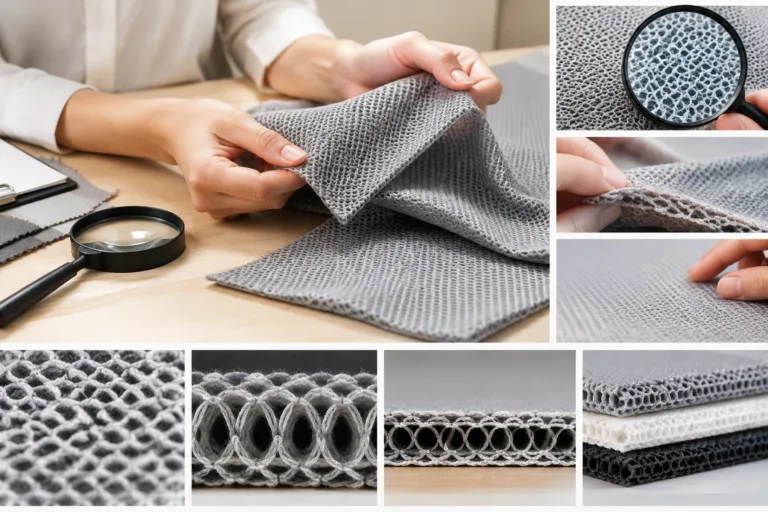

A size set sample is a set of garments made in selected sizes to evaluate fit, construction, and grading before bulk production. To build a size set samples timeline without delaying bulk, define what the samples must prove, identify the inputs that could block them, and work backward from the date a decision is needed. Allow time not just to sew samples, but to review them, resolve comments, and implement approved changes.
Apparel Wiki is an independent educational publication; its Sponsor page describes its approach to editorial independence. The schedule below is a planning framework, not a factory lead-time promise. Your actual dates and authority to release bulk work depend on the style, materials, reviewers, and project agreements.
What a Size Set Sample Is—and Why Its Timeline Can Affect Bulk Production
Size set sampling gives a team a way to examine how a design translates across selected sizes, rather than judging only one sample size. It may expose a fit or construction question that matters before cutting. But a size set is not automatically a production approval, and it does not replace other samples, inspections, or tests required for a particular project.
The first scheduling risk is an undefined decision. If one reviewer expects a grading check while another expects approval of the final fabric and wash fit, they may reach incompatible conclusions from the same garments. Companies may also use “fit sample,” “size set,” and “pre-production sample” differently. Agree on the sample’s purpose and the decision it supports before putting its approval date on the apparel sample schedule.
An incomplete technical package, late materials, unavailable reviewers, or unresolved fit comments can shift the decision beyond the planned bulk start. Speeding up sewing alone will not recover time lost at those gates. The useful question is whether each required decision can be made with the evidence available before bulk work depends on it.
Define the Size Set Decision Before Building the Schedule
Write a short approval brief before requesting samples. Ask which selected sizes need a fit review, whether the grade produces the intended proportions, which construction details need checking, and which measurements matter to the decision. If material behavior is in scope, state what can actually be evaluated from the materials and treatments used in this version.
Identify the style number, sample label, size range, version, intended fabric and trims, and any substitutions. List what remains unverified. For example, a sample in substitute fabric might help reviewers discuss silhouette, but differences in stretch, thickness, or shrinkage limit conclusions about the intended fabric or fit after washing. Mark those conclusions as pending rather than treating a provisional review as final apparel fit approval.
Make the sample approval criteria usable: specify the measurements to record, the garment areas to inspect, annotated reference images where useful, and the people who must review each issue. Distinguish questions that must be settled before bulk cutting from those the project has explicitly assigned to later controls. The team responsible for release must agree to that division; a presentation sample should never become a pre-production approval sample merely because it is available.
Map the Dependencies That Control the Size Set Samples Timeline
Build a dependency map instead of assigning a sample due date in isolation. Check the pattern and grade rules, technical package, construction details, sewing instructions, sample fabric and trims, and any artwork needed to make the selected sizes. Then confirm sample-room availability, dispatch arrangements, shipping, and reviewer availability. A provisional pattern may be usable for a limited review, but its provisional status must be visible to everyone interpreting the result.
For each input, use one status: ready, pending, conditionally usable, or requiring escalation. Name a decision owner and due date for anything blocking the next step. “Fabric pending” is less useful than “material owner to confirm the intended fabric before the sample build is released.” If a temporary material is proposed, record which observations it can support and which material-dependent judgments must wait.
Some work can proceed in parallel. Reviewers can prepare measurement sheets and marked-up reference images while materials are being confirmed, provided they use the current style version. Pattern work may also proceed provisionally if the team accepts that a later material or fit decision could require rework. Do not call parallel work a saving when it creates samples that cannot answer the approval question.
The critical path runs through whichever unresolved dependency prevents the next required decision. Include time for shipping, review, comment consolidation, questions between teams, possible revision, and incorporation of approved changes into production information. The calendar and supplier confirmations for the actual project—not a generic sample lead time—must establish the dates.
Build a Schedule That Protects the Bulk Start Date
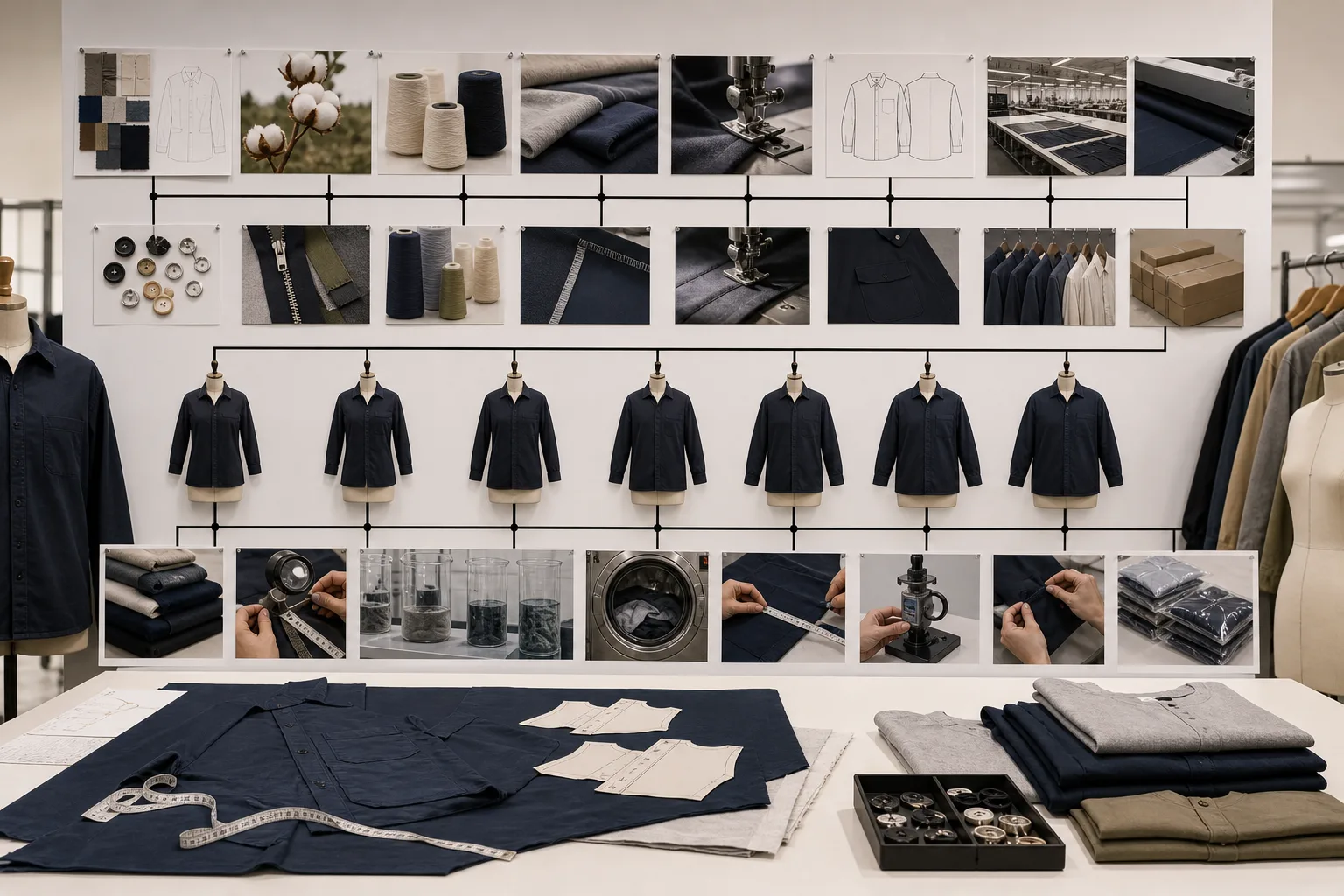
Begin with the intended bulk start and determine the latest date by which the relevant size set decision must be complete. Work backward through final approval, any likely revision and second review, the first review, sample dispatch and construction, material readiness, pattern and technical-package preparation, and internal sign-offs. The result should show when each input must be ready, not merely when someone hopes to receive samples.
Give each gate an outcome: input freeze, sample dispatch, review completed, comments consolidated, revision decision, and final approval. At a decision gate, record whether the team will go, revise, hold, or escalate, along with who has authority to choose. An input freeze should state what is frozen; it should not conceal an unresolved substitution or pattern change.
Set separate dates for sending comments and reaching a decision. Comments may arrive on time yet still need reconciliation before a pattern maker can act. Reserve project-dependent contingency for rework and communication, based on the style’s uncertainties and the team’s actual calendar, without assuming a standard buffer. Preparing documents in parallel is sensible; committing bulk cutting while a consequential fit or construction decision remains open can simply transfer the delay and risk into production.
Run the Review Efficiently and Turn Comments Into Actions
A sample arriving on schedule does not protect the bulk start if its review produces scattered or contradictory instructions. Name one person to consolidate comments, and identify who can decide fit, design, technical, quality, and commercial questions for this style. These may be different people or roles within a small team. Give reviewers a response deadline and a route for resolving disagreements or an unavailable decision-maker.
Make each comment actionable: identify the garment area, describe what was observed, specify the requested change, and say how the next version will be checked. Instead of “the collar looks wrong,” write “the collar stands away from the neck on the reviewed size; assess the marked neckline area and compare the revised sample with the annotated reference photo.” Attach the relevant measurement chart, marked-up photo, pattern reference, and sample version so the pattern maker knows which observation belongs to which garment.
Distinguish a measured difference from an approved specification from a design preference. Neither should disappear into a vague “fix fit” instruction, and a preference is not automatically a universal defect. If design intent conflicts with fit, construction, or production feasibility, record the competing options and ask the authorized decision-maker to choose. Consolidation should end with an action, an owner, and a check for each open point—not merely a collection of messages.
Control Version Changes Before Bulk Cutting and Sewing
Connect the reviewed physical sample to the documents that production will actually use: the matching technical package, pattern and grading versions, measurement chart, materials and trims, construction details, and open-issue list. A sign-off attached to one sample version cannot safely be assumed to cover a later pattern or fabric change. Before bulk cutting, confirm that the approved decision and the current production documents describe the same garment.
As a practical record, note the style identifier, reviewed sample sizes, version, approval date, reviewer, material batch or substitution status, and anything still awaiting verification. State exactly what the decision closes. In one project, size set approval may close a fit review; in another, a separate pre-production release may still be needed. Use the brand’s and manufacturer’s agreed procedure to determine who can authorize bulk work rather than treating a signature as automatic permission.
Set a change-control rule before approval: a later change to pattern, grade, fabric, trim, artwork, or construction goes to a named owner to assess its effect on the earlier decision. Record whether the team needs another sample, updated documents, a targeted check, or a new release decision. Sample approval does not replace production process controls, inspection, or any testing required for the product and project.
Use a Late-Sample Decision Framework Instead of Guessing
When a size set misses its gate, first classify the cause: missing input, shipping, sample construction, reviewer availability, unresolved fit, material uncertainty, or disagreement over approval. Then ask what evidence is missing and what work depends on it. A delayed presentation decision and an unresolved grade across selected sizes may have very different consequences, even if both appear as “sample late” on the calendar.
- Proceed with unaffected work: Continue document preparation or other reversible tasks when the open question does not change their inputs.
- Revise or check again: Request a corrected sample or targeted verification when the available evidence cannot answer the specified fit or construction question.
- Hold or reschedule the affected release: Do not assume bulk cutting can proceed when an unresolved issue could change the pattern, grade, material, construction, applicable requirements, or customer acceptance.
- Escalate a limited decision: If project rules permit conditional approval, define precisely what has been approved, what remains open, and what must happen before the next dependent activity.
Assess each issue against its potential effect on safety or applicable compliance obligations, fit, grading, construction feasibility, appearance, and customer requirements. Do not use a generic risk score as a substitute for the project’s actual release criteria. For any conditional decision, record the decision owner and date, remaining risk, interim action, required follow-up, and the activity that must wait. A temporary fabric may help assess some aspects of shape, but differences in stretch, thickness, or shrinkage limit what it can establish about the intended fabric or wash fit.
For the next style, carry the unresolved items and actual review outcomes into the approval brief and backward schedule. The useful lesson is not simply whether the sample arrived early; it is whether the team had the right evidence and authority to make its decision before bulk work depended on it.
Frequently Asked Questions
How early should a size set sample be scheduled before bulk production?
Work backward from the latest required approval decision, allowing for inputs, sample construction, delivery, review, possible revision, and implementation of approved changes. The interval depends on the style, materials, reviewers, and actual production calendar; there is no reliable universal lead time.
What information must be ready before a size set sample is made?
Define the review purpose and selected sizes, then check pattern and grade information, technical specifications, construction instructions, materials and trims, substitutions, and reviewer availability. Label provisional inputs and decide whether they prevent the question being tested from receiving a useful answer.
Can bulk production start before the size set sample is approved?
That depends on the project’s agreed release rules and the unresolved issue. Unaffected preparatory work may continue, but starting dependent bulk work before a consequential fit or construction decision can transfer rework into production. Obtain an explicit authorized decision rather than assuming permission.
What is the difference between a size set sample and a pre-production sample?
A size set commonly supports review across selected sizes; a pre-production sample may serve a different production-readiness decision. Names and approval gates vary by organization, so the sample brief should specify the purpose and what sign-off actually authorizes.
How should teams handle comments that arrive after the planned review date?
Log when they arrived, identify the affected sample version and decision gate, and assess whether they change an earlier conclusion. The authorized reviewer should decide whether to revise, verify, escalate, or leave an unaffected decision in place; update the schedule and documents accordingly.
Can substitute fabric be used for a size set sample?
It may support a limited review of shape or construction if the substitution is recorded. It cannot, by itself, establish how the intended fabric will behave in fit or after washing. Defer conclusions that depend on the actual material until appropriate evidence is available.