Introduction: Upcycling in Mass Production—Why It Matters Now
Upcycling in mass production is attracting growing attention as industries seek sustainable, cost-effective ways to minimize waste and reduce their environmental impact. Especially in the metal products sector, companies are examining the feasibility of scaling upcycling initiatives as part of their manufacturing processes. This article explores the practical aspects of incorporating upcycled materials into large-scale operations, reviewing technological innovations, highlighting success stories, and analyzing key challenges such as cost, supply chain logistics, and material quality. Whether you’re a producer, a designer, or an eco-conscious consumer, understanding upcycling’s potential is vital in today’s market.
Defining Upcycling in Mass Production: Foundations and Terminology
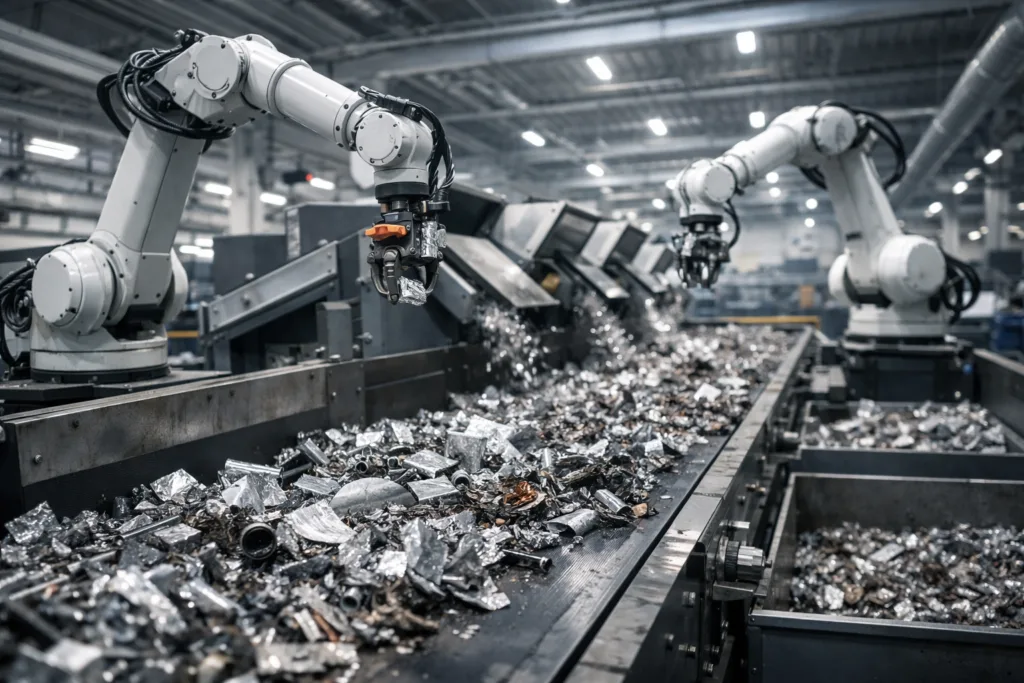
Upcycling refers to transforming discarded or surplus materials into new products of higher value. In mass production, this involves integrating post-consumer or post-industrial waste back into manufacturing lines. According to Apparel Wiki, the distinction between upcycling and recycling is critical: upcycling emphasizes value addition and creativity, while recycling often focuses on breaking down materials to their raw forms.
The Metal Products Industry: Why Upcycling Is a Game-Changer
Metal products, such as automotive components, consumer goods, and building materials, are well-suited for upcycling due to the durability and recoverability of metals. Designers and engineers can reimagine metal scrap into marketable products, cutting reliance on raw materials and unlocking opportunities for innovation.
Market Demand and Consumer Interests in Sustainable Metal Products
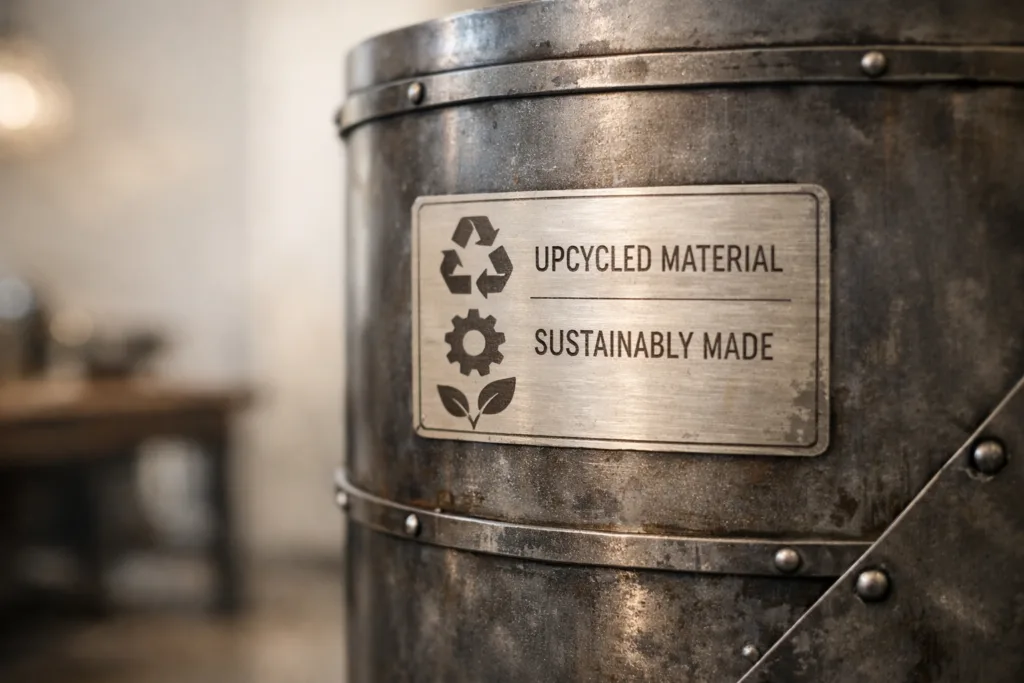
Consumers are increasingly seeking products derived from sustainable practices. Surveys show that eco-labeling—like those described in Sustainable Labeling: Recycled Polyester and Organic Cotton—can drive purchasing decisions. Brands are responding by highlighting upcycled content and transparent sourcing in their marketing strategies.
Technological Innovations Facilitating Upcycling
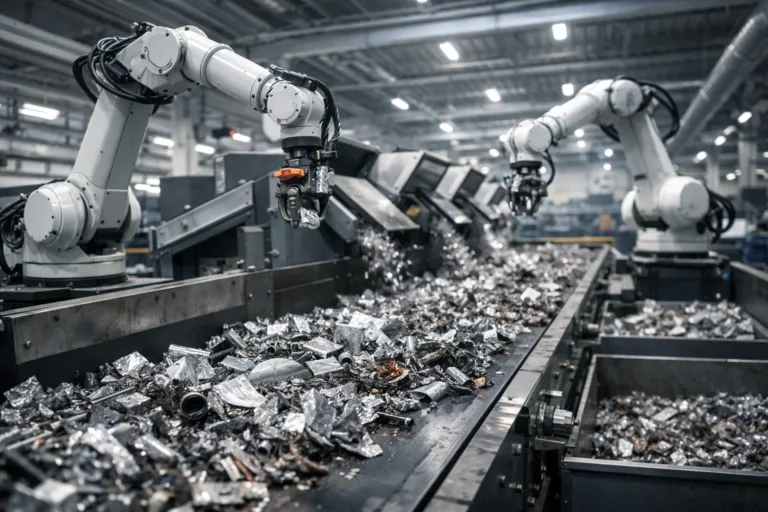
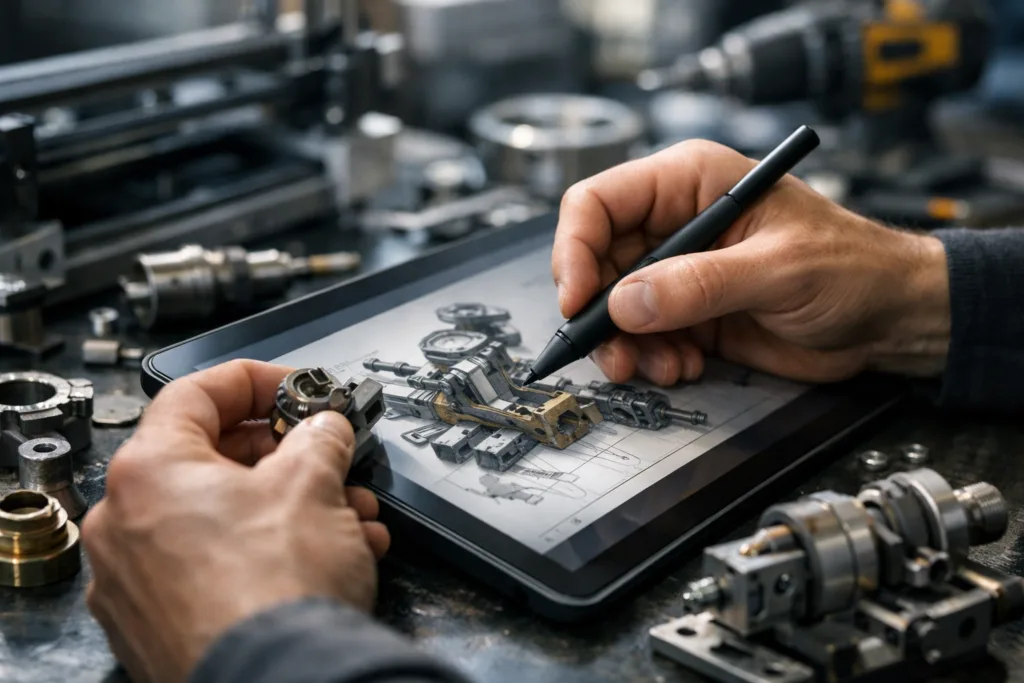
Modern technology is a catalyst for upcycling in mass production. Advanced sorting, cutting, and assembly tools enable manufacturers to handle diverse waste streams efficiently. Digital design technologies—including those noted in Integrating 3D Design into the Manufacturing Workflow—allow precise planning and customization for upcycled materials.
Supply Chain Logistics: Managing Upcycled Material Flow
Efficient logistics are critical for upcycling at scale. Manufacturers must source consistent quality waste materials, transport them reliably, and track inventory using tools like RFID tags, discussed in How RFID Tags Are Revolutionizing Apparel Inventory and Shrinkage Control. This helps avoid shortages and streamlines production.
Quality Control Challenges When Using Upcycled Metals
Maintaining product quality is a central challenge. Upcycled metals may vary in chemical composition, purity, or structural properties. Rigorous testing, smart sorting techniques, and digital documentation tools—like those used in BOM management—are essential for ensuring batch consistency and safety in final products.
Cost Considerations: Is Upcycling Feasible for Large Manufacturers?
Upcycling can lower material costs but often requires investment in specialized equipment, logistics infrastructure, and workforce training. Manufacturers need to analyze the real ROI, factoring in operational costs and potential market value. For example, metal product sampling costs can highlight why upcycled prototypes might be initially expensive but scalable with optimized processes.
Design for Disassembly: Creating Circular Systems
Designing products for easy disassembly enhances upcycling opportunities. Approaches like those in 10 Smart Strategies for Mastering Design for Disassembly focus on modular designs, standardized fasteners, and selective material use, making end-of-life recovery and upcycling more viable.
Integrating Upcycling into Existing Manufacturing Workflows
Upcycling requires process adaption: manufacturers must adjust production lines, update quality control (QC) protocols, and train staff. Transitioning from traditional to upcycled workflows can be gradual, often starting with select product lines or pilot projects before scaling further.
Legal and Compliance Issues for Upcycled Metal Products
Regulations around waste handling, labeling, and consumer safety apply to upcycled products. Understanding care label laws, as outlined in Essential Guide to Care Label Laws, helps manufacturers meet standards and avoid legal pitfalls.
Environmental Benefits of Upcycling in Mass Production
Upcycling dramatically reduces landfill waste, carbon emissions, and resource depletion. By reusing metal scrap, manufacturers save energy compared to extracting and processing virgin materials. This supports global sustainability goals and fosters corporate responsibility.
Case Studies: Successful Upcycling in Metal Mass Production
Several companies have pioneered large-scale upcycling. For instance, automotive parts manufacturers use post-industrial aluminum scrap for engine blocks, while furniture brands rework surplus metals into design pieces. Lessons from these cases show that collaboration, creative design, and digital tracking tools are key to success.
Barriers to Scaling Upcycling: From Pilot to Mainstream
Common obstacles include unstable supply of upcycled materials, inconsistent quality, reluctant market adoption, and high initial setup costs. Solutions involve improved sourcing partnerships, investment in QC, and consumer education campaigns.
Upcycling vs. Recycling: What Drives Value Creation?
While recycling reduces waste, upcycling creates stronger market differentiation and added value. Upcycled products often possess unique aesthetics and stories, appealing to both eco-conscious buyers and luxury segments. In mass production, upcycling can generate new product lines that stand out.
Consumer Perspectives: Acceptance and Trust in Upcycled Metal Products
Consumers want transparency. Clear labeling, origin tracking, and communication about product journeys foster trust. Efforts similar to those discussed in size tab and country of origin label placement strategies (Visibility Matters) can improve consumer confidence.
Manufacturers’ Views: Opportunities and Risks in Upcycling
From the manufacturer’s standpoint, upcycling presents opportunities for differentiation, innovation, and cost savings but carries risks related to inconsistent supply, QC failures, and uncertain market response. Sharing best practices and participating in industry forums helps build collective knowledge and confidence.
Digital Tools: Enhancing Tracking and Transparency in Upcycling
Digital solutions such as inventory tracking, BOM software, and supply chain analytics streamline upcycling operations. These tools offer traceability and reporting, supporting compliance and marketing claims.
Optimizing Bill of Materials (BOM) for Upcycled Sourcing
Well-managed BOMs enable manufacturers to accurately track material origin, batch variations, and quality standards, driving cost optimization and minimizing risks. Articles like Unlock Costing Secrets: BOM Alignment detail how alignment between BOM and costing is key for profitability.
Market Opportunities for Upcycled Metal Products
Growth trends indicate rising demand for eco-friendly hardware, home goods, and automotive components. Brands can leverage upcycling for product expansion, attractive marketing, and access to green markets and government incentives.
Future Directions: Innovations Shaping Upcycling in Mass Production
Emerging technologies like AI-driven sorting, advanced robotics, and circular supply chains will likely play a role in evolving upcycling strategies. Collaborative platforms and open-source design sharing may further accelerate adoption across the metal products industry.
Industry Collaboration: Partnerships and Networks
Strategic alliances between waste suppliers, manufacturers, and designers help stabilize material flows and foster collaborative innovation. Knowledge-sharing platforms, such as Apparel Wiki, support collective learning and error reduction in upcycling efforts.
Upcycling in Mass Production: Feasibility and Challenges
The feasibility of upcycling in mass production depends on several factors: technological readiness, cost management, supply chain stability, regulatory compliance, and market demand. Despite challenges, innovations and evolving consumer preferences are making upcycling increasingly attainable for manufacturers specializing in metal products.
Conclusion: Key Takeaways and Looking Ahead
Upcycling in mass production—especially for metal products—offers substantial environmental and market benefits. By embracing technological innovation, adjusting workflows, and fostering transparency, manufacturers can overcome challenges and advance sustainable practices. As industries and consumers grow more aware, upcycling is poised to transition from niche pilot programs to mainstream manufacturing strategies. The path forward requires continued collaboration, knowledge-sharing, and commitment to quality and transparency.
Frequently Asked Questions
What is the difference between upcycling and recycling?
Upcycling transforms waste into products of higher value without breaking down material, while recycling reprocesses materials into their original state.
Why are metal products ideal candidates for upcycling?
Metals are durable and recoverable, allowing them to be reused in new products with minimal reduction in quality or strength, making upcycling practical.
What are common challenges faced in mass production upcycling?
Major hurdles include inconsistent supply of waste materials, maintaining quality control, additional costs, and adapting manufacturing processes.
How do manufacturers maintain quality when using upcycled materials?
Manufacturers rely on robust testing, digital tracking, and consistent sorting practices to ensure upcycled materials meet safety and performance standards.
Are consumers willing to buy upcycled metal products?
Many consumers prefer sustainable products, especially when transparent labeling and origin information confirm the environmental benefits.
What technologies are used to facilitate upcycling at scale?
Advanced sorting, digital design tools, inventory tracking, and robotics are commonly used to increase efficiency and consistency in upcycling operations.
Related Reading
- How 3D Design Transforms Metal Manufacturing Workflow
- Unlock Sustainable Labeling: Eco-Friendly Materials and Benefits
- Design for Disassembly: Building Circular Manufacturing Systems
- RFID Tag Integration: Improving Inventory and Traceability
- BOM Alignment Strategies for Cost-Effective Manufacturing
- Metal Sampling Costs Explained: Understand Pricing Realities