
Introduction: Understanding Digital Printing vs. Screen Printing Environmental Impact
As businesses and creators become more mindful of sustainability, they’re scrutinizing the environmental impact of every material and process—including printing techniques. Two dominant contenders, digital printing and screen printing, are found everywhere from graphic tees to product packaging. But which has the greater impact on our planet? This guide unpacks the sustainability, energy consumption, waste concerns, and material usage of both digital printing and screen printing. You’ll also find actionable tips to help you print with a lighter footprint.
Comparing Printing Methods: What Sets Digital and Screen Printing Apart?
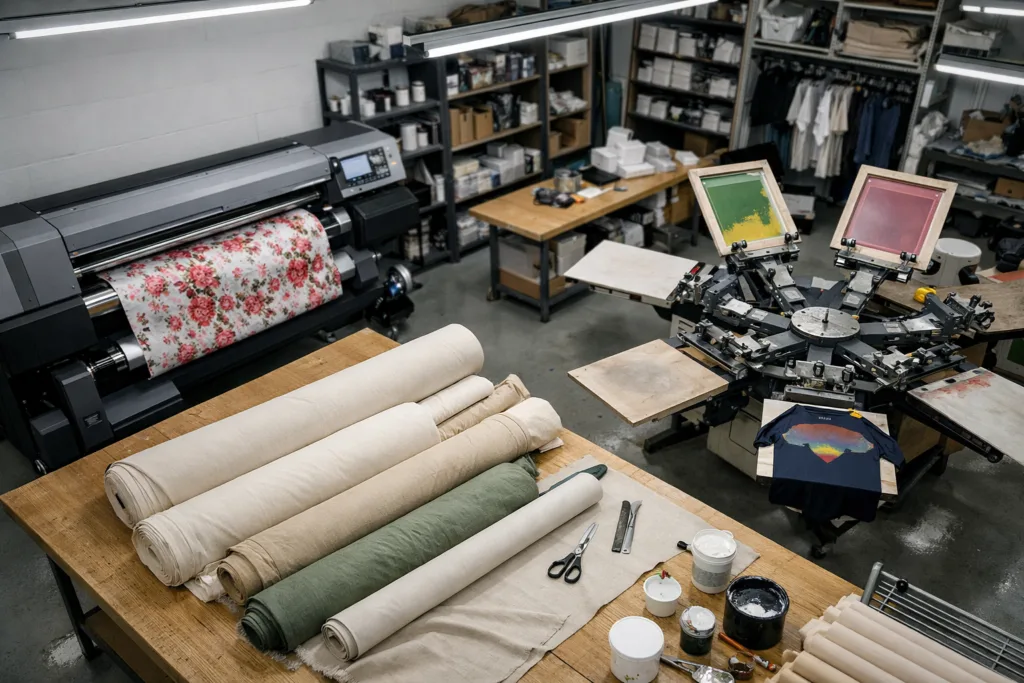
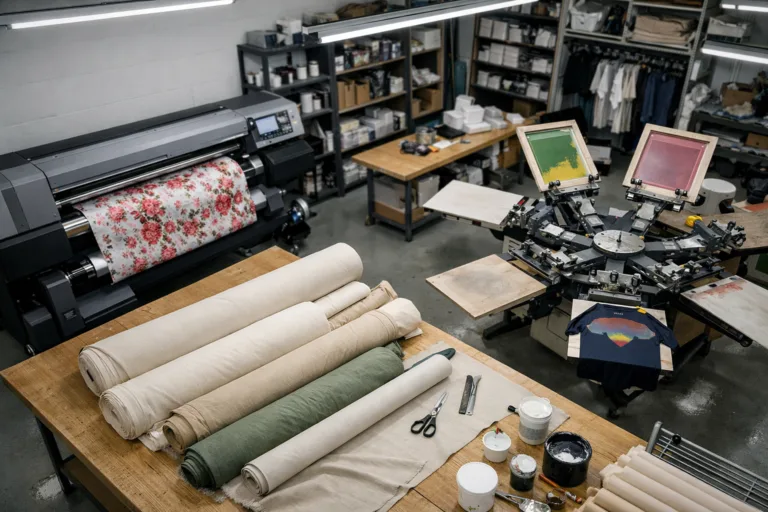
The two techniques, while both popular, operate with fundamentally different processes. Digital printing uses precise inkjet or laser technology to apply designs directly onto materials—no physical screens, no setup stages. By comparison, screen printing relies on physically pushing ink through a mesh screen, one color at a time, requiring more setup but allowing for vibrant, thick designs. These distinctions drive their different environmental profiles.
Quick Table: Environmental Impacts at a Glance
| Aspect | Digital Printing | Screen Printing |
|---|---|---|
| Setup Waste | Minimal | High (screens, test prints) |
| Ink Usage | Efficient, precise | Excess ink, washout waste |
| Energy Consumption | Varies (efficient for small runs) | High, especially for curing |
| Water Consumption | Low | High (screen cleaning) |
| Suitable Quantities | Small to medium runs | Medium to large runs |
| Eco-Friendly Options | Growing, especially with water-based inks | Depends on inks used, mixed adoption |
The Sustainability of Ink Choices: Water-Based vs. Plastisol and Beyond
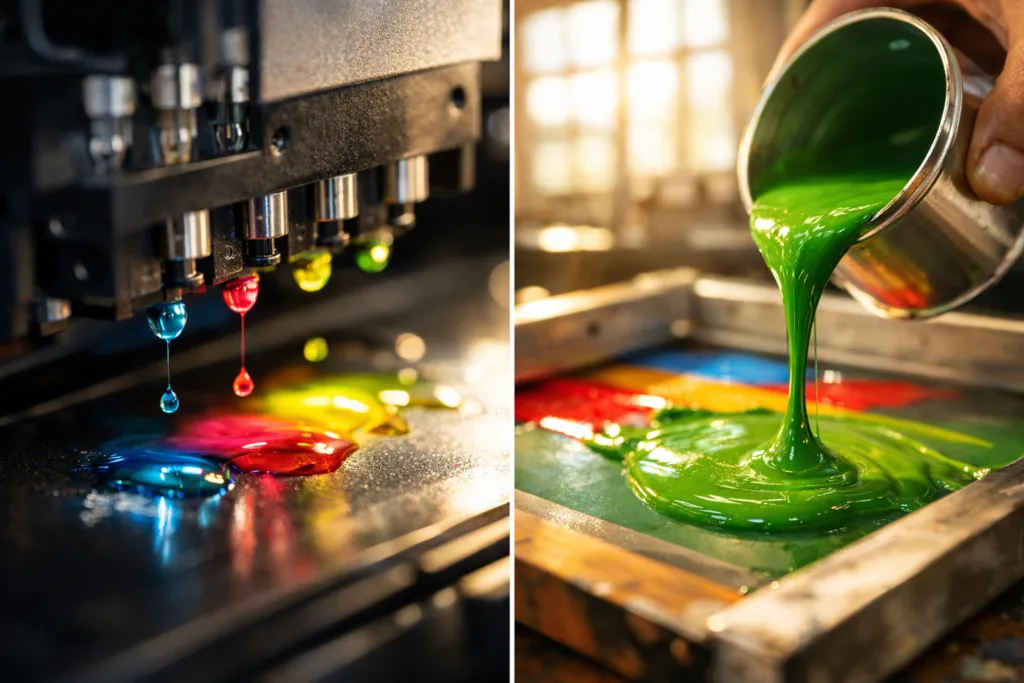
Inks are critical to both the outcome and the environmental impact of printing. Screen printing has a long history with plastisol inks, which contain PVC and phthalates and require energy-intense heat for curing. Many print shops now offer water-based or soy-based options, which produce softer prints and drastically reduce toxic runoff. Digital printing commonly uses water-based inks, posing less risk of harmful emissions. When considering sustainability, ink selection is a major lever.
Material Consumption: Garment and Substrate Impact
The choice of fabric or substrate affects both techniques. Digital printing often performs best on organic cotton or recycled polyester, which aligns with expectations for sustainable apparel. Screen printing works on a variety of textiles, but waste can increase with complex jobs or repeat test runs. Apparel manufacturers increasingly turn to materials with eco-design certification, highlighting the rising importance of Cradle to Cradle approaches.
Energy Use: Where Printing Shops Spend the Most
Screen printing ovens (flash dryers and tunnel dryers) draw considerable electricity to cure plastisol ink—sometimes contributing to a large carbon footprint, especially in large-scale production. Digital printing, in contrast, uses less heat; some desktop printers expend little energy per print. However, energy use will scale with print size and throughput. Evaluating energy-saving equipment and renewable energy sources is crucial for greener operations.
Water Footprint: Digital Printing’s Clear Advantage?
Screen printing notoriously uses large amounts of water, both in ink mixing and for cleaning screens, squeegees, and equipment. Much of this water, unless treated, can be contaminated with chemicals. Digital printing, often called a “dry” process, rarely requires more water than what’s in the ink itself, drastically minimizing effluent and environmental risk, supporting the goals of zero waste initiatives.
Waste Generation and Production Efficiency: Which Scores Higher?
One major difference is upfront waste: screen printing involves prepping and washing multiple screens and generating test prints, especially for multicolored or detailed jobs. Digital printing sidesteps much of this, making it popular for on-demand and short-run jobs where each item can be unique. For high-volume, single-design orders, efficient screen printing can have a smaller per-unit impact, but any small batch or test run tips in favor of digital sustainability.
Supply Chain Impacts and Packaging Considerations
The packaging materials and logistics surrounding print orders also contribute to overall environmental impact. Simple decisions, like using recycled or mono-material packaging solutions, further reduce printing’s carbon footprint. Businesses mastering mono-material design not only improve the recyclability of their finished goods, they often find greater downstream efficiencies.
Print Quality and Durability: Is One More Eco-Friendly in the Long Run?
Durable prints are inherently more sustainable—they last longer, postponing the need for replacement. Screen printing produces extremely durable prints, especially on heavy cottons, though the durability advantage narrows with advances in digital printing technology. Choosing long-lasting designs and materials contributes directly to apparel sustainability, as described in our top guide to designing for durability.
Health and Safety for Workers: Chemical Exposures
Screen printing shops often require solvents and cleaning agents to remove ink from screens, posing respiratory or skin hazards. While most digital printing systems use less hazardous supplies, proper ventilation and protective equipment are critical in both settings. The shift toward water-based, low-VOC materials helps protect labor and reduce environmental load.
Digital Printing: Modern Sustainability at Scale?
Digital printing technology keeps improving its green credentials. Popular for small businesses and print-on-demand services, digital’s lean setup and efficient ink use makes it increasingly attractive as a sustainable choice. Newer printers offer refillable cartridges, broad fabric compatibility, and integrate with software for cutting production waste, echoing principles explored in reducing production waste at the design stage.
Screen Printing: Reducing its Environmental Footprint
When adopting best practices—like automated ink mixing, water recirculation, non-toxic inks, and LED curing—screen printing shops can drastically lower their environmental impact. Sourcing recycled emulsions or reclaiming used screens helps, too, as does exploring garments made with recycled polyester or organic cotton.
Making Sustainable Choices: What Should You Consider?
A sustainable printing decision balances budget, order size, desired quality, and design requirements. For personalized or limited runs, digital printing frequently wins on waste and water usage. For large, consistent orders, screen printing can be more resource-efficient—if eco-friendly inks, minimal energy, and water-saving methods are used throughout. Apparel Wiki recommends always asking your print partner about their ink types, waste management, and energy sources to make informed choices.
Case Study: Apparel Brand Adopting Digital Printing for On-Demand
Consider a fashion label transitioning from bulk screen-printed tees to on-demand digital prints. By producing only when an order is received, the brand minimizes obsolete stock and landfill waste, drastically lowers water use, and reduces leftover ink disposal, while still offering high-quality prints—illustrating the core benefits discussed throughout this article.
Eco-Labels and Certifications: Identifying Sustainable Printing
Certifications like OEKO-TEX, GOTS, and Cradle to Cradle assure that the printing process and inks used meet strict environmental safety standards. When choosing a printing supplier, look for these or similar marks to boost the credibility of your sustainability claims and meet market expectations.
Trends: Automation and Digitalization for a Greener Future
Automation technologies are granting new efficiencies and transparency to traditional screen printing shops, while digital printing continues to gain ground in waste reduction and ink optimization. These advances further enable circular economy principles, such as design for disassembly and recycling-friendly approaches in fashion production—key themes explored at Apparel Wiki.
Tips for Reducing Environmental Impact in Your Printing Projects
- Opt for water-based or non-toxic inks whenever possible
- Choose recycled or certified sustainable substrates
- Consolidate print runs to minimize setup waste
- Support printing vendors with energy-efficient and water-saving operations
- Incorporate mono-material packaging where possible
- Design for durability and timelessness, not planned obsolescence
Real-World Pitfalls: Common Unsustainable Practices to Watch Out For
Some print shops still dump untreated wastewater, overuse plastic packaging, or opt for quick but hazardous cleaning solvents. Always vet a printer by their waste protocols and commitment to sustainability beyond marketing claims for an aligned partnership.
Small vs. Large Scale Printing: Environmental Impact Shifts
For major jobs (thousands of units, single design), screen printing’s up-front waste becomes less significant per item. But small runs, color variations, and on-demand needs substantially favor digital printing for both flexibility and sustainability.
Consumer Trends: The Push Toward Eco-Conscious Design Choices
Buyers increasingly ask about how garments are printed and what inks are used, prioritizing transparency and eco-labels. Companies investing in educating customers and quantifying environmental impact often see greater brand loyalty and reduced returns.
The Apparel Wiki Perspective: Balancing Practicality with Planet Care
At Apparel Wiki, our editorial team stresses that sustainability in printing is a continuum—not an all-or-nothing choice. Small upgrades, such as switching ink types, packaging, or introducing water recycling, compound to drive industry-wide improvements without sacrificing quality or creativity.
Digital Printing vs. Screen Printing: Environmental Impact
Ultimately, both printing technologies can be made significantly more sustainable. Digital printing excels in sustainability for short runs, variety, and minimal waste, while screen printing, when optimized, is highly resource-efficient on large uniform orders. The real opportunity lies in making conscious materials choices, pushing for energy-efficient operations, and advocating for transparency in the supply chain at every stage.
Conclusion: The Future of Sustainable Printing Decisions
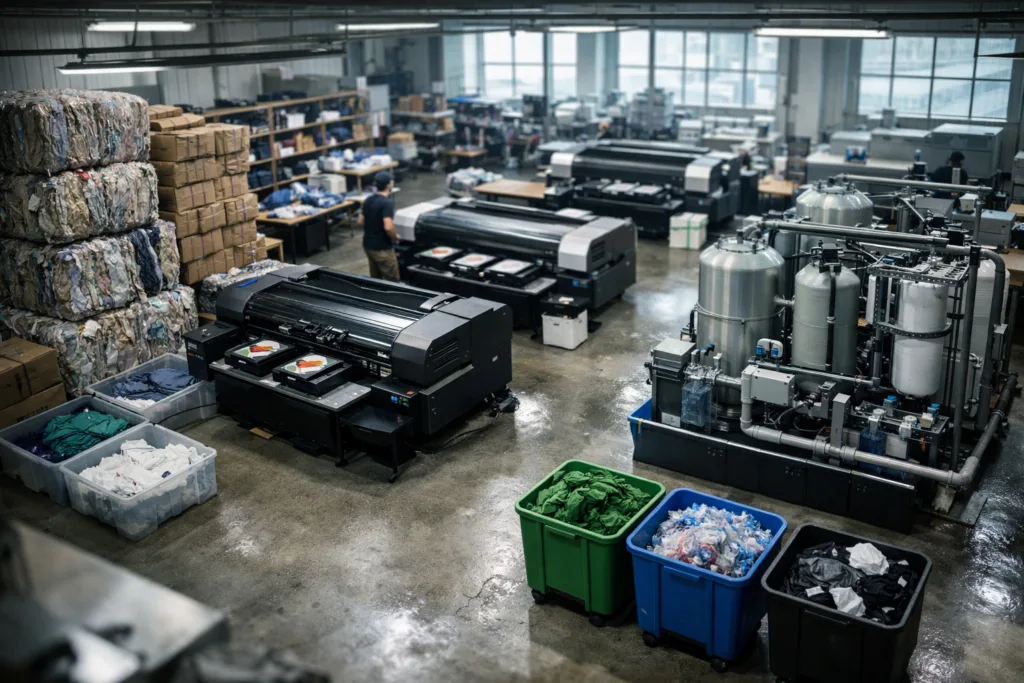
Whether you’re an established apparel producer or exploring your first print run, it’s clear that every stage of the printing process—from ink selection to packaging—directly impacts our planet. By understanding the nuanced differences between digital printing and screen printing for environmental impact, you can make more informed, responsible choices. The rise of eco-certifications, automation, and more sustainable materials points to a greener future for all types of printing. Your decisions today can shift the industry closer to circularity and minimal waste.
Frequently Asked Questions
Which printing method is generally more eco-friendly for small orders?
Digital printing is usually more sustainable for small orders due to minimal setup waste, lower water use, and the ability to run on-demand, reducing excess inventory.
Are water-based inks always better for the environment?
Water-based inks typically have fewer toxic components and are safer for both workers and ecosystems, but their total impact also depends on production scale and disposal practices.
Does screen printing still have advantages at large scale?
Yes, for large uniform orders, efficient screen printing can minimize per-item resource use, provided that eco-friendly inks and water-saving methods are used.
Can both printing methods use recycled or sustainable fabrics?
Absolutely. Both digital and screen printing can be used on organic cotton, recycled polyester, and other sustainable materials for greener finished goods.
What role does packaging play in printing’s environmental footprint?
Eco-friendly, mono-material, or recycled packaging can cut carbon footprint and aid recyclability, significantly contributing to the sustainability of printed products.
Is it possible to fully eliminate waste in printing?
No process is fully zero-waste yet, but modern equipment, careful planning, and recycled materials can dramatically reduce it—especially with digital printing for limited runs.
Related Reading
- Eco-Certifications in Printing: Why Cradle to Cradle Matters
- Zero-Waste Pattern Cutting Techniques for Sustainable Printing Projects
- Transform Packaging with Mono-Material Design for Maximum Recyclability
- Designing for Durability: How to Extend Garment Lifespan
- Smarter Design: Cut Production Waste Before Printing
- Sustainable Label Choices: Why Recycled and Organic Matter