Introduction: Why Wool Matters—Merino, Cashmere, and Lambswool
Wool is more than just a warm textile—it’s a foundation of the apparel industry. This article explores Merino wool, Cashmere, and Lambswool, revealing their unique characteristics, origins, production processes, sustainability profiles, and everyday applications. Understanding these wool types can help you make smarter choices for comfort, breathability, and environmental stewardship.
Merino Wool, Cashmere, and Lambswool: Origins and History
The origins of Merino wool, Cashmere, and Lambswool trace back to distinct regions and animal breeds. Merino sheep hail largely from Australia and New Zealand, prized for their ultra-fine fleece. Cashmere goats are native to the high plateaus of Mongolia, China, and India, renowned for their soft undercoat. Lambswool is sourced from the first shearing of young sheep, generally less than a year old, valued for its softness and purity.
Biodiversity and Regional Influence
The breed and environment affect fiber quality. For example, Cashmere goats in Mongolia produce higher micron-count fibers due to cold conditions. Merino sheep in Australia are bred for continuous fiber growth, supporting industrial manufacturing needs.
Wool Harvest: Sourcing and Processing Techniques
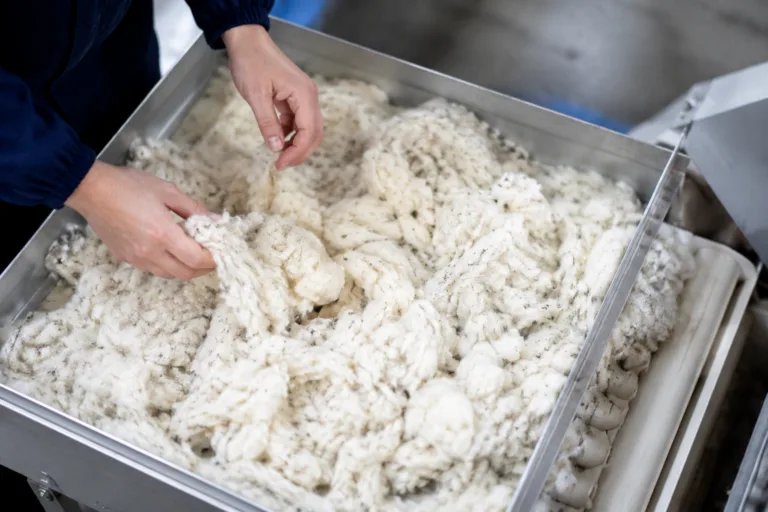
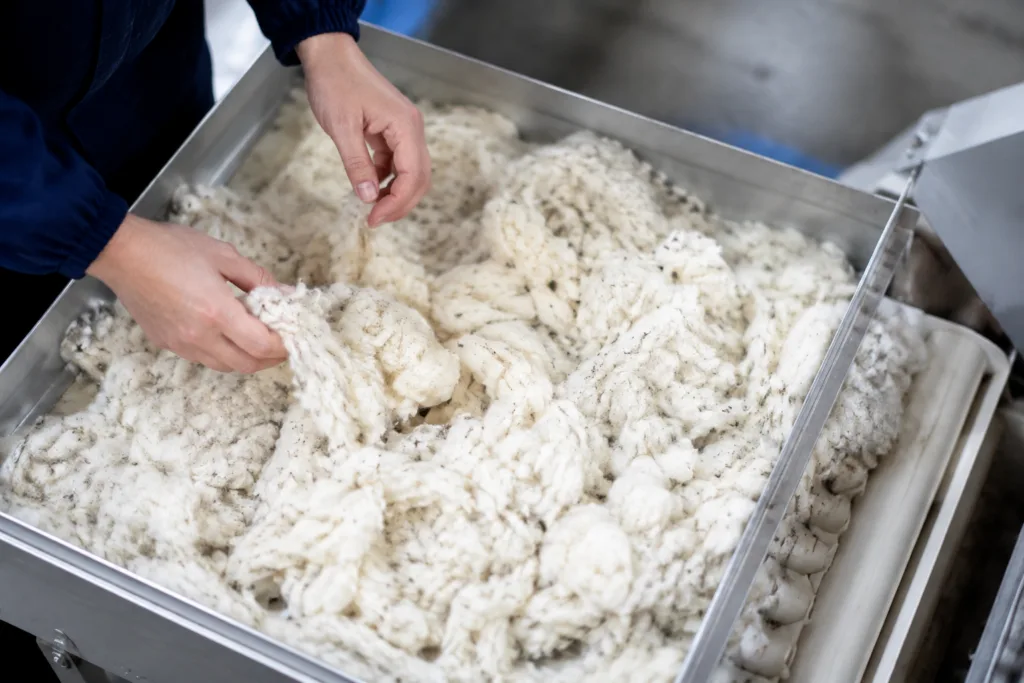
Harvesting wool requires delicate handling. Merino sheep are typically shorn once yearly. Cashmere is combed off goats during molting seasons, while Lambswool comes from a sheep’s first shearing. Processing involves cleaning (scouring), sorting, carding, and spinning. According to Apparel Wiki, attention to scouring quality prevents fiber contamination, critical for luxury applications.
Step-by-Step Processing Overview
- Shearing or combing
- Sorting and grading fibers
- Scouring and cleaning
- Carding for alignment
- Spinning into yarn
Physical Properties: What Makes Each Wool Unique?
Each type of wool brings specific benefits to garments and textiles. Below is a comparison table highlighting fiber diameter, softness, durability, and typical end uses.
| Wool Type | Fiber Diameter (Microns) | Softness | Durability | Main Uses |
|---|---|---|---|---|
| Merino | 17–24 | Very soft | High | Performance wear, base layers |
| Cashmere | 13–19 | Ultra-soft | Moderate | Luxury knits, scarves |
| Lambswool | 19–25 | Soft | Good | Jumpers, blankets |
Comfort, Warmth, and Breathability Compared
Choosing between Merino wool, Cashmere, and Lambswool often comes down to how each feels and performs. Cashmere is the most luxurious, offering unmatched softness; Merino provides a balance of warmth and moisture regulation; Lambswool sits in between, with gentle comfort and good insulation.
- Merino wool: Moisture-wicking, regulating temperature well, suitable for activewear.
- Cashmere: Exceptionally lightweight, warm, and soft—ideal for premium layering.
- Lambswool: Soft, slightly bulkier, and cozy for everyday winter wear.
Environmental Impact: Sustainability and Wool Types
The sustainability profile of wool varies by animal husbandry, processing, and regional practices. Merino wool is often lauded for renewable fiber cycles, but large-scale farming can impact land use. Cashmere farming, especially in Mongolia, faces challenges with goat overgrazing and land degradation. Lambswool’s impact depends on sheep welfare and farm practices. Effective supply chain management, as discussed in sustainable design supply chain management by Apparel Wiki, helps minimize ecological harm and maximize renewable resources.
Circularity and Regenerative Approaches
Regenerative grazing, water-efficient scouring systems, and traceable sourcing all raise wool’s sustainability rating. Certifications and transparent production support consumer confidence. For a comparison with other fibers, see natural vs synthetic fibers.
Care and Maintenance: Keeping Your Wool Lasting Longer
All wool types require careful attention to washing and storage. Handwashing with gentle detergents is recommended for preserving fiber integrity, especially for Cashmere. Merino and Lambswool are a bit more forgiving but still demand cold-water cleaning and flat drying. A well-maintained wool garment can last for years and reduce the need for replacement, promoting sustainable fashion practices. Apparel Wiki notes that designing for durability is vital for extending garment lifespan.
Practical Care Steps
- Handwash in cold water
- Use wool-specific detergents
- Flat dry—never hang
- Store away from heat and sunlight
Merino Wool: Properties, Uses, and Best Practices
Merino wool’s fine fibers deliver outstanding softness and breathability. It’s widely used for base layers, socks, and performance apparel. Its technical qualities—like moisture management and anti-microbial properties—make it a staple for outdoor enthusiasts and athletes.
Optimal Application in Apparel
Merino’s versatility suits both high-fashion and utilitarian contexts. Its rapid wicking and resilience add value for designers focusing on functionality. If you’re working with complex garment calendars, understanding fashion calendar development helps plan production with Merino-centric collections.
Cashmere: Luxury Fiber Breakdown
Cashmere remains the gold standard of softness and warmth. However, its rarity and costly production process make it an investment. Cashmere is most often transformed into high-end sweaters, shawls, and accessories.
Smart Sourcing and Ethical Transparency
Transparent Cashmere sourcing is evolving, with brands focusing on traceability and sustainable practices. Certifications and bulk purchasing agreements shape cost structures and ethical claims, a point detailed on minimum order quantity and pricing.
Lambswool: Everyday Comfort and Practical Uses
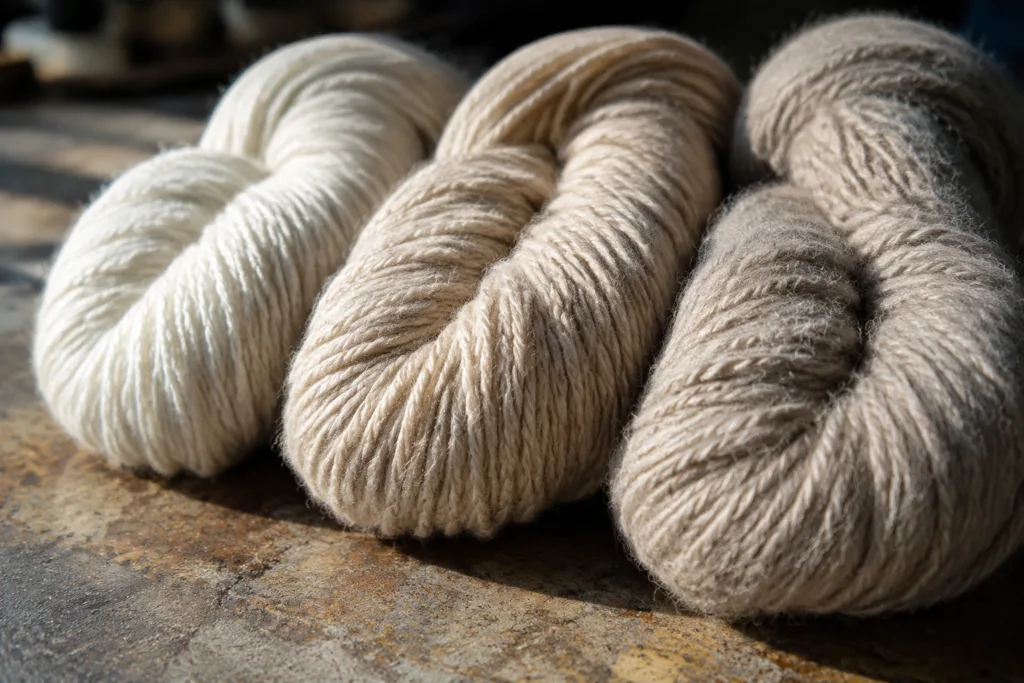
Lambswool is appreciated for its balance of softness and affordability. It’s commonly found in accessible winter garments, blankets, and knitwear. Lambswool’s durability means garments retain shape after multiple wears, making it a favorite for consumers seeking practical warmth.
Comparing Wool Types: Choosing the Right Fiber
Merino wool, Cashmere, and Lambswool each excel in specific scenarios. Merino is ideal for performance and year-round layering. Cashmere suits luxury and in-season high fashion, whereas Lambswool is a practical pick for cost-effective comfort. Consider fiber diameter, source ethics, and care needs when making your selection.
| Fiber | Comfort | Warmth | Breathability | Price Range |
|---|---|---|---|---|
| Merino | High | Moderate | Excellent | $$ |
| Cashmere | Ultra-high | Very high | High | $$$$ |
| Lambswool | High | High | Good | $ |
Wool in Textile Manufacturing: From Raw Fiber to Finished Garment
Wool manufacturing encompasses grading, blending, spinning, and weaving processes. Quality control tools—such as fabric converters and costing tools—ensure consistency and fit. Efficient lead times can be achieved through streamlined sourcing, as described in standard lead times for fabric.
Wool vs. Other Natural Fibers: Comparative Insights
Compared to cotton and cellulosic fibers, wool offers superior warmth and moisture management. However, its environmental impact can be higher, depending on farming practices and processing methods. For deeper comparisons, read about cotton varieties and cellulosic fibers.
Market Trends and Sustainable Innovation
The blend of tradition and innovation is guiding modern wool applications toward sustainability and performance optimization. Minimalist construction, design for disassembly, and eco-labeling are reshaping wool’s role in fashion and textiles.
Consumer Decision – How to Select the Right Wool
When choosing wool, evaluate your priorities: comfort, performance, budget, and sustainability. Merino suits active and sensitive skin, Cashmere fits premium tastes, and Lambswool is the all-rounder for daily wear. Always check labeling for fiber content and certifications.
Practical Tips for Shopping Wool Garments
- Look for clear fiber composition on tags
- Check for care instructions and certifications
- Assess the density, finish, and softness
- Select brands that commit to ethical sourcing
Future of Wool: Innovation and Environmental Responsibility
Wool types are evolving. Innovations in recycling, regenerative farming, and eco-design—like cradle-to-cradle certification—are steering wool towards enhanced circularity and environmental stewardship. Brands are exploring mono-material approaches for easier recycling and upcycling.
Conclusion: Key Takeaways for Choosing Merino Wool, Cashmere, and Lambswool
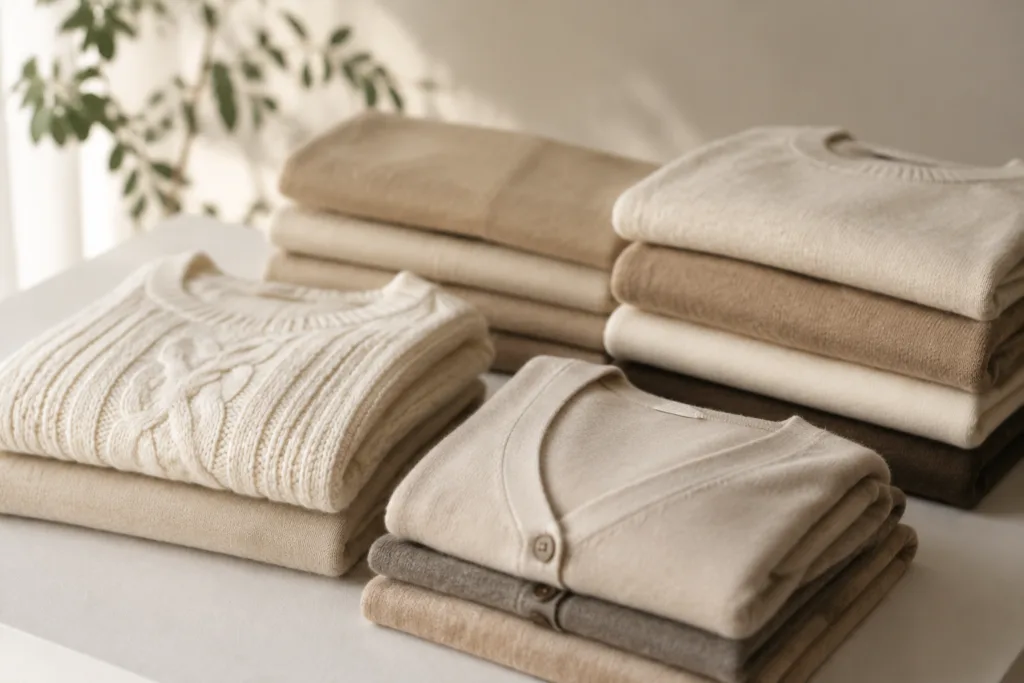
In summary, Merino wool, Cashmere, and Lambswool provide distinct benefits for apparel makers and wearers. Choosing the right wool means balancing comfort, durability, sustainability, and cost. Up-to-date knowledge and attentive care are crucial for enjoying wool garments for years to come.
Frequently Asked Questions
What makes Merino wool different from regular wool?
Merino wool is notably finer, softer, and more breathable than regular wool, making it suitable for base layers and performance wear.
Why is Cashmere considered luxurious?
Cashmere’s rarity and ultra-fine fibers give it a soft, warm feel and drive up its price, positioning it as a luxury textile in the market.
Is Lambswool hypoallergenic?
Lambswool is less likely to irritate skin compared to coarse wool but is not fully hypoallergenic. It’s generally comfortable for most people.
How should I wash Cashmere garments?
Handwashing with cold water and a gentle wool detergent, followed by flat drying, helps preserve the soft texture and shape of Cashmere.
Are Merino and Lambswool equally sustainable?
Both have renewable profiles, but true sustainability depends on sourcing, animal welfare, and responsible farming practices.
What are the main uses for each wool type?
Merino is used for technical wear, Cashmere for luxury clothing, and Lambswool for cozy, affordable everyday garments.
Related Reading
- Smart Fabric Selection: Comparing Natural vs Synthetic for Better Apparel Choices
- Cotton Varieties Explained: Pima, Egyptian, Upland—Choose Softness and Durability
- Sustainable Innovation: Exploring Cellulosic Fibers for Next-Gen Textiles
- Boost Sustainability: Designing Clothing for Maximum Durability and Extended Life
- Minimize Delays: Master Standard Fabric and Apparel Production Lead Times
- Design Smarter: How Designers Improve Sustainable Supply Chains