Introduction: Microfibers—Properties and Pollution Concerns
Microfibers have become a cornerstone in modern textiles, celebrated for their softness, durability, and versatility. Yet, their growing use presents environmental challenges—chief among them, pollution concerns. In this guide, we’ll dig into the unique properties of microfibers, explore their environmental impact, and provide actionable solutions to help readers play a role in reducing microfiber waste. This discussion of microfibers, pollution, aims to give a balanced, practical perspective for apparel professionals and everyday consumers alike.
What Are Microfibers? Defining the Tiny Textile Marvel
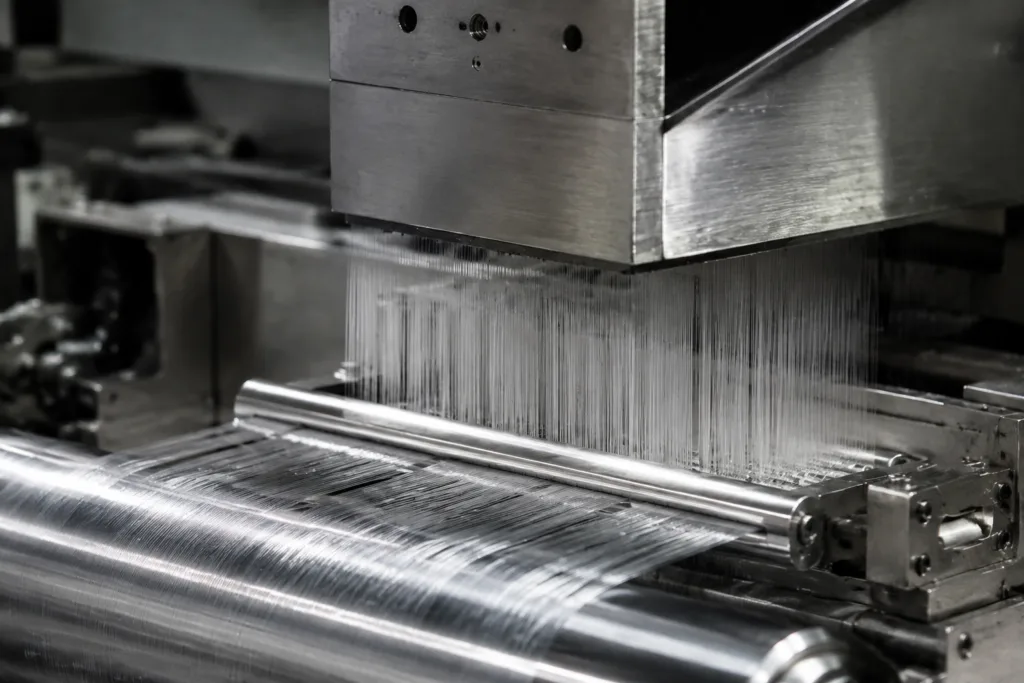
Microfibers are synthetic fibers finer than one denier, making them thinner than a strand of human hair. Typically crafted from polyester, nylon, or blends, they are engineered for exceptional performance and comfort. Their ultra-fine structure enables a range of uses—from fashion apparel to industrial cleaning cloths.
Unique Properties of Microfibers: Why They Dominate Modern Textiles
The appeal of microfibers lies in their array of physical and functional attributes:
- Softness: Their fine diameter provides unmatched softness, ideal for clothing, bedding, and accessories.
- Durability: Despite their delicate feel, microfibers are tough, resisting abrasion and wear.
- Absorbency: The vast surface area enables superior moisture wicking, making them excellent for sportswear and cleaning applications.
- Versatility: Used in everything from garments to upholstery and even high-performance wipes for electronics.
Comparing Microfibers to Other Textile Fibers
| Fiber | Softness | Durability | Absorbency | Environmental Impact |
|---|---|---|---|---|
| Microfiber | High | High | High | Moderate to High (synthetic) |
| Cotton | Medium-High | Medium | High | Moderate (natural) |
| Polyester | Medium | High | Low | High (synthetic) |
| Wool | Medium | High | Medium | Moderate (natural) |
Manufacturing Microfibers: Innovations and Challenges
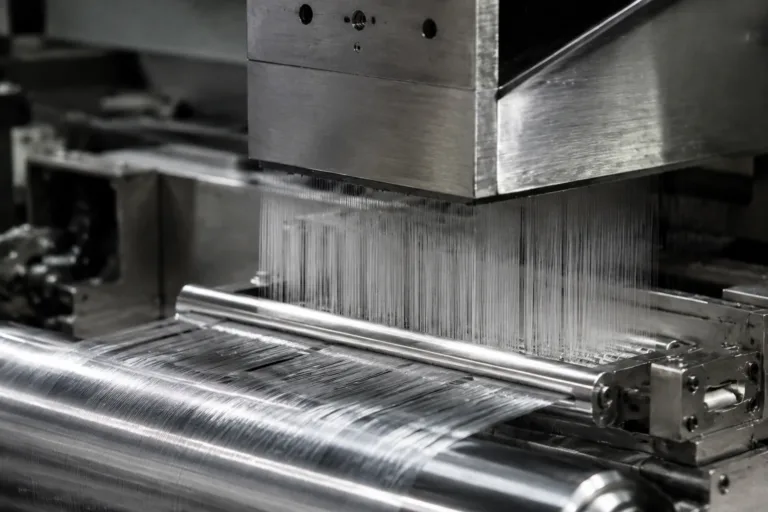
The production process involves extruding melted polymers through ultra-fine spinnerets, then splitting and drawing them into thread. Quality control is vital to balance performance and minimize waste. For more on fiber innovation, see Sustainable Innovation: The Surging Popularity of Man-Made Cellulosic Fibers.
Impacts on Fiber Quality and Consistency
Manufacturing microfibers is cost-effective but poses challenges for recycling, since many blends are difficult to separate in post-consumer waste streams. Apparel Wiki recommends reviewing mono-material design solutions in Mono-Material Design: 7 Ways It Transforms Recycling.
Microfibers in Apparel: Fashion, Sportswear, and Beyond
Microfibers are favored for activewear, swimwear, outerwear, and cleaning products. Their lightness and moisture management properties make them the staple for modern performance garments.
Common Uses in the Apparel Industry
- Yoga pants and leggings
- Quick-dry shirts
- Ultra-soft towels
- Microfiber cleaning cloths
Durability of Microfibers: Real-World Performance
Microfibers resist stretching, tearing, and pilling. However, repeated washing and friction can cause tiny fibers to loosen—and that’s where pollution concerns begin. Compared to natural fibers like cotton and wool, microfibers retain their strength but may persist in the environment much longer.
Microfiber Pollution: How Do Microfibers Enter Waterways?
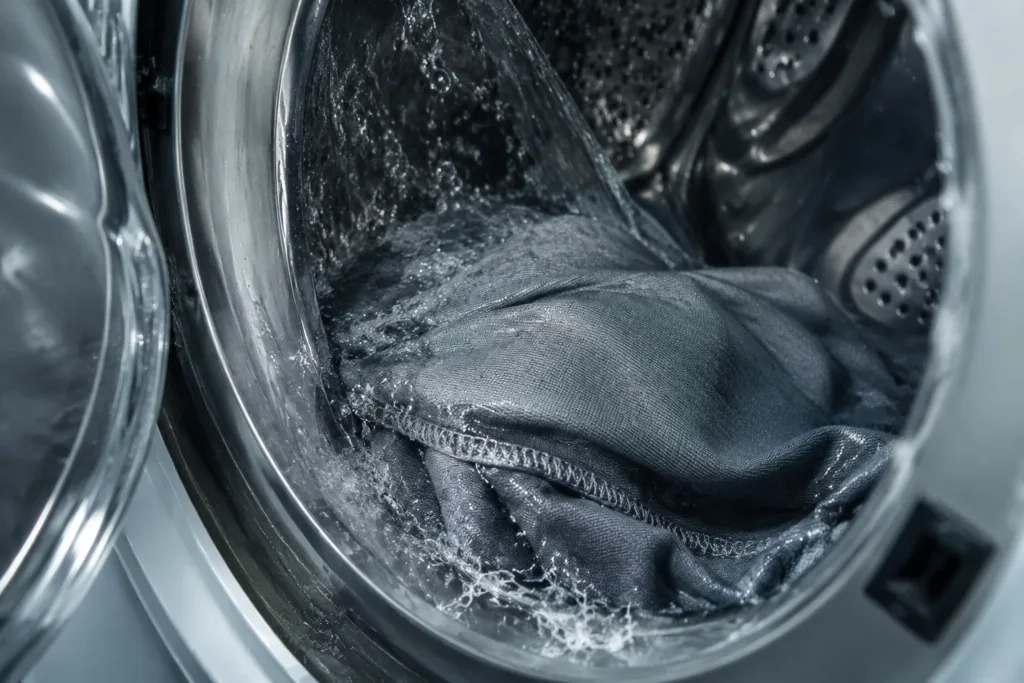
Microfiber pollution starts in the laundry. When synthetic garments are washed, friction releases microscopic fibers. These microfibers pass through wastewater treatment plants and flow directly into rivers, lakes, and eventually the ocean.
Statistics: The Scale of Microfiber Pollution
- Up to 700,000 microfibers may be shed in a single wash cycle
- Microfibers found in over 80% of sea samples globally
Environmental Impact: Effects on Marine Life
Microfiber pollution threatens aquatic ecosystems. Tiny fibers are easily ingested by zooplankton, fish, and shellfish, accumulating through the food chain. This results in physical blockages, reduced feeding, and even toxic exposure as fibers carry persistent chemicals.
Risks to Biodiversity and Human Health
Contaminated seafood poses risks to human health. Although research is ongoing, the presence of microfibers in drinking water and food is a growing concern for environmental and public health experts.
Microfibers, Pollution: The Central Challenge
The issue of microfibers, pollution, continues to spark debate among manufacturers, researchers, and policymakers. The durability and widespread use of microfibers make managing pollution particularly challenging.
Sources of Microfiber Release: Laundry, Production, and Wear
Most microfiber pollution comes from domestic laundry, but production facilities and garment wear contribute as well. Poorly finished textiles, abrasive washing, and old machinery can accelerate fiber loss.
Role of Fabric Construction and Finishing
Garment structure impacts fiber release rates. Cellulosic fibers may behave differently, as explored in Natural vs. Synthetic Fibers Compared. Finishing techniques, such as tighter weaving or surface treatments, can help reduce shedding.
Comparing Synthetic and Natural Microfibers
Synthetic microfibers, mainly polyester and nylon, persist in the environment. By contrast, natural fibers like cotton, wool, and bast fibers degrade more quickly but can still cause pollution if chemically treated or dyed. Explore bast fiber properties in Bast Fibers: Linen, Hemp, and Ramie Explained.
Polyester Microfibers: A Special Focus
Polyester microfibers dominate the market—yet they are a primary source of microplastic pollution. Both virgin and recycled polyester generate microfiber debris. For those seeking more eco-friendly polyester options, see Polyester Unlocked: Differences Between Virgin & Recycled.
How Washing Practices Affect Microfiber Pollution
High-speed washers, hot water, and heavy detergents increase microfiber shed. Reducing friction, washing at lower temperatures, and using liquid detergents can minimize fiber release. Eco-friendly washing solutions are a practical step for consumers and manufacturers.
Eco-Friendly Washing Techniques
- Use mesh laundry bags designed to trap microfibers
- Install washing machine filters
- Opt for shorter, gentler wash cycles
- Reduce unnecessary washing
Innovative Textile Technologies: Solutions for Microfiber Pollution
Industry leaders are developing new textile coatings, tighter weave constructions, and advanced filters to curb microfiber release. Some manufacturers are exploring biodegradable synthetics and mono-material designs. Apparel Wiki notes that sustainable design choices, such as minimalist construction, may indirectly reduce microfiber waste—as discussed in Minimalist Construction—Reducing Seams and Trims.
Raising Consumer Awareness: The Power of Informed Choices
Consumers play a vital role in reducing microfiber pollution by choosing durable garments and adopting eco-friendly habits. Reading care labels and product information encourages better purchasing and disposal decisions. For reliable guidance, Apparel Wiki advises checking Care Label Laws: Compliance Made Simple.
Sustainable Apparel and Microfiber Prevention Strategies
The apparel industry is pivoting toward sustainable fibers, improved production methods, and responsible labeling. Advances in recycled polyester and certification programs promote more transparent, eco-friendly options.
The Role of Designers and Brands in Microfiber Management
Designers are increasingly tasked with creating garments that minimize fiber loss. Brands embracing sustainable innovation are testing fabrics with reduced shedding and partnering with NGOs and technology providers to make a measurable impact.
Regulatory Action and Industry Standards
Global regulators and industry groups are discussing standards for textile production, wastewater filters, and labeling requirements. As enforcement grows, companies must adapt by focusing on pollution prevention and product stewardship.
Practical Steps for Reducing Microfiber Pollution at Home
- Choose fabrics made from recycled or low-shedding materials
- Wash clothes less frequently and at lower temperatures
- Support brands that disclose fiber release rates
- Dispose of old textiles responsibly—never in open water systems
Microfibers and the Future of Textile Sustainability
As awareness of microfibers, pollution, grows, the textile industry must continue to innovate. Biodegradable microfibers, improved filters, and transparent supply chains are keys to a cleaner future. Designers, manufacturers, regulators, and consumers each have a role to play.
Conclusion: Navigating Microfiber Properties and Pollution Concerns

Microfibers offer undeniable advantages in textiles, but their environmental consequences require urgent attention. By understanding fiber properties, adopting eco-friendly laundry habits, and choosing sustainable products, stakeholders can help reduce microfiber pollution. As technology and awareness advance, there’s every reason to believe practical solutions will drive a cleaner, more responsible apparel industry.
Frequently Asked Questions
How do microfibers differ from other synthetic fibers?
Microfibers are much thinner than typical synthetic fibers, offering greater softness and absorbency. Their ultra-fine diameter allows them to outperform standard polyester or nylon in many uses, but it also increases their potential for environmental pollution.
What are the main sources of microfiber pollution?
Microfiber pollution originates primarily from washing synthetic garments, but production processes and garment wear also contribute. Tiny fibers released during laundry make their way into waterways and oceans.
Can natural fibers also cause microfiber pollution?
Yes, natural fibers like cotton and wool can contribute to fiber pollution, especially if treated with persistent chemicals. However, they typically biodegrade faster than synthetics.
What are some effective ways to reduce microfiber release during laundry?
Using mesh bags, washing at lower temperatures, installing filters, and avoiding harsh detergents are practical steps to minimize fiber shed.
Are there regulations targeting microfiber pollution?
Some countries and industry groups are developing standards for textile production and washing machine filters. Broader enforcement is expected in coming years.
How can consumers make sustainable choices regarding microfibers?
Consumers can choose durable garments, support transparent brands, practice careful laundering, and responsibly dispose of old textiles to help reduce microfiber waste.
Related Reading
- Innovative Textiles: Man-Made Cellulosic Fibers and Their Sustainability
- How Mono-Material Design Boosts Apparel Recycling
- Polyester Showdown: Virgin vs. Recycled (rPET)
- The Natural Side: Linen, Hemp, and Ramie Fiber Explained
- Minimalist Construction: Seam Reduction for Sustainability
- Your Simple Guide to Apparel Care Label Compliance