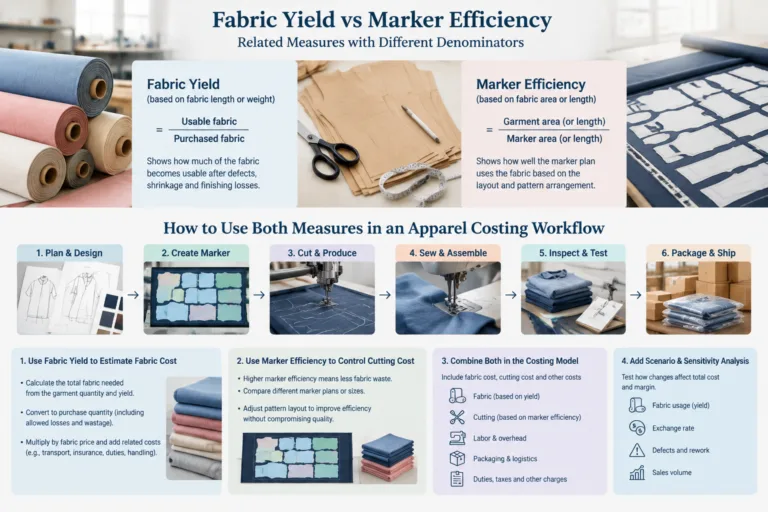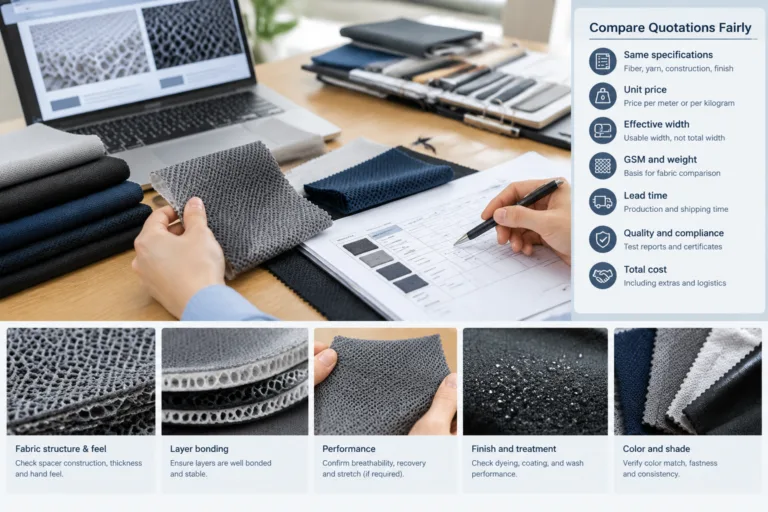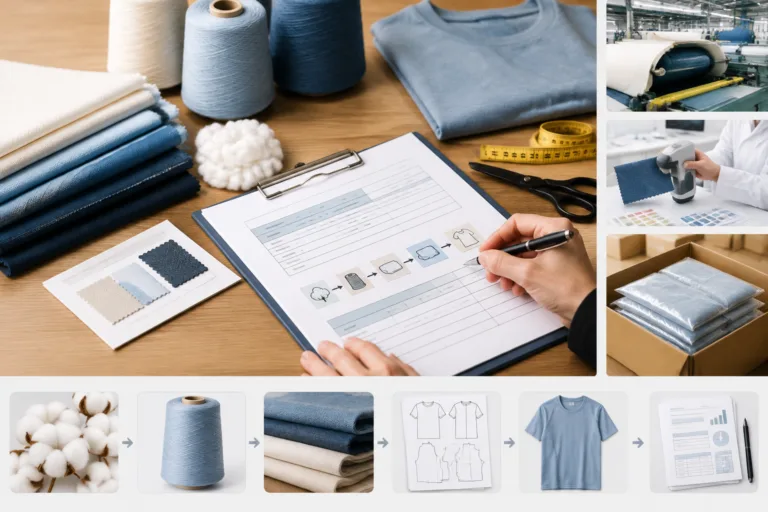
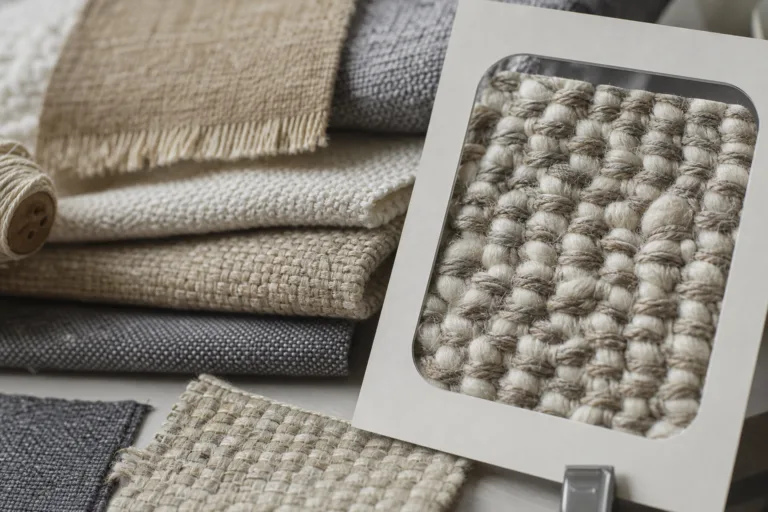
When comparing fabric quality, thread count vs yarn count is one of the most misunderstood pairings in apparel and textile evaluation. Thread count tells you how densely a woven fabric is built, while yarn count tells you how fine or coarse the yarn itself is. They are related, but they do not measure the same thing, and neither one by itself can fully predict softness, durability, drape, or breathability.
For readers who want a deeper structural foundation before judging fabric quality, Apparel Wiki’s overview of basic weave structures and how weave affects fabric properties is a useful companion. It helps connect weave type, construction density, and surface behavior so you can evaluate why two fabrics with similar counts may still feel and perform very differently.
Quick summary: which matters more?
The short answer is that yarn count usually matters more for yarn quality, while thread count matters more for woven fabric density. If you are choosing sheets, shirting, or other woven fabrics, both matter, but they should be read together with fiber type, ply, weave, and finishing. A high thread count can be useful only when it comes from fine, well-made yarns and a sensible construction. A low or moderate thread count can still produce an excellent fabric if the yarn is strong, the weave is appropriate, and the finishing is correct.
In practice, a sourcing team should not treat thread count as a universal quality score. Instead, it should be one line in a specification sheet alongside yarn count, EPI, PPI, GSM, fiber composition, finish, and test requirements. That is the most reliable way to compare fabrics across suppliers.
Who this guide is for and how to use it
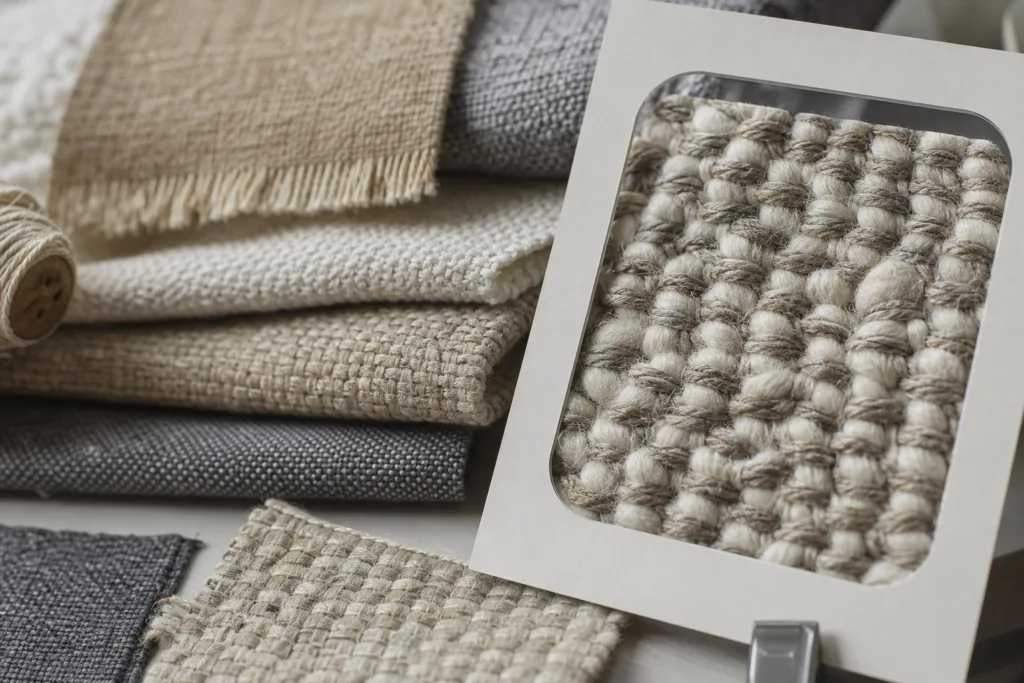
This guide is written for clothing brand founders, product developers, sourcing teams, merchandisers, fashion students, and informed consumers who need to compare fabrics without relying on marketing language. If you are buying for a product line, use the article as a decision framework: first identify the product type, then decide what performance matters most, then read the fabric construction details in context.
If you are a consumer, you can use the same logic in simpler form. Ask: is the product woven or knitted, what fiber is used, how fine is the yarn, how dense is the construction, and what does the finish do to the hand feel? Those four questions usually reveal more than a single “high count” claim.
For readers who need a broader view of fabric weight alongside count metrics, the practical guide to fabric GSM and weight is helpful because GSM often explains comfort, opacity, and use-case better than count labels alone. A fabric with the same count can feel very different if its GSM or fiber composition changes.
Core definitions: thread count, yarn count, yarn ply, GSM, EPI, and PPI
Before comparing fabrics, it helps to define the terms precisely. In apparel development, confusion often begins when people use “count” to mean several different things.
- Thread count: the number of warp and weft threads in a woven fabric, usually expressed per square inch in retail language or per unit length in standards-based measurement.
- Yarn count: a measure of yarn fineness or thickness. Different systems use different units, such as Ne, Tex, or Denier.
- Yarn ply: the number of single yarns twisted together to make one yarn structure, such as 1-ply, 2-ply, or 3-ply.
- GSM: grams per square meter, a fabric weight metric that often correlates with warmth, opacity, and perceived substance.
- EPI: ends per inch, the number of warp yarns in one inch of woven fabric.
- PPI: picks per inch, the number of weft yarns in one inch of woven fabric.
- Weave type: the interlacing pattern, such as plain weave, twill, or sateen, which changes surface feel, drape, and durability.
These terms do not replace one another. A proper fabric specification often includes all of them because each one describes a different layer of performance.
How thread count is measured in woven fabrics
Thread count in woven fabrics is built from two directions: warp and weft. In practical sourcing language, a fabric described as 200 thread count may mean roughly 100 ends per inch and 100 picks per inch, though the exact interpretation depends on the supplier’s counting method and whether ply yarns are being counted correctly. In standards-based work, thread count is not just a marketing number; it is a measurable construction property of woven fabric. ISO’s method for measuring threads per unit length in woven fabrics, documented in the ISO method for measuring threads per unit length in woven fabrics, is a good reminder that construction should be measured consistently rather than guessed from label claims.
For buyers, the important point is that thread count is not simply “more is better.” A dense construction can improve cover and smoothness, but only if the yarn quality supports it. If yarns are too weak, too hairy, or poorly spun, a very high thread count can still produce a fabric that pills, feels harsh, or wears poorly.
Example: EPI and PPI in a plain woven fabric
Consider a fabric with 120 EPI and 80 PPI. The simplified thread count is 200. Another fabric with 100 EPI and 100 PPI is also 200. These two fabrics can behave differently because the warp and weft yarns may differ in fineness, twist, and fiber content. A balanced construction may feel more even; an unbalanced one may show directional differences in hand or shrinkage.
Weave type matters too. A plain weave tends to feel firmer at the same count because interlacings are frequent. A sateen or satin weave often feels smoother because more yarn floats appear on the surface. That means two fabrics with the same thread count can still feel worlds apart.
How yarn count affects yarn diameter, strength, and hand
Yarn count describes the yarn itself, not the fabric. In many cotton-based systems, a higher Ne value means a finer yarn. In Tex, a higher number means a heavier yarn. This reversal confuses many readers, so the safest approach is to always note the system used in the spec sheet.
In practical terms, finer yarns can produce smoother, lighter, and sometimes softer fabrics when they are spun well and woven appropriately. Coarser yarns usually build more body and can improve opacity or durability in some applications, but they may feel less refined. However, yarn fineness does not equal strength in a simple straight line. Yarn strength depends on fiber length, twist, spinning quality, and raw material quality as much as on count.
For example, a fine cotton yarn can feel luxurious in a high-quality shirting fabric, but if it is under-twisted or made from short-staple fiber, it may be weaker or more prone to pilling than a slightly coarser yarn made from better fiber. That is why buyers should treat yarn count as one part of the construction story rather than a direct quality ranking.
In addition, fiber choice matters. Apparel Wiki’s guide to cotton varieties and their effects on softness and durability is especially relevant when comparing yarn count claims in cotton fabrics, because long-staple cotton can support finer, smoother yarns more reliably than lower-grade cotton.
Measurement systems explained: Ne, Tex, Denier, and worsted count
Yarn count systems differ by fiber type and industry tradition. If you read specifications across suppliers, you need to know the system before making any comparison.
| System | What it means | Common use | Interpretation |
|---|---|---|---|
| Ne (English cotton count) | Number of 840-yard hanks per pound | Cotton and cotton-rich yarns | Higher Ne = finer yarn |
| Tex | Grams per 1,000 meters | Many textile and industrial yarn specs | Higher Tex = heavier yarn |
| Denier | Grams per 9,000 meters | Filament yarns, synthetics, hosiery | Higher Denier = heavier yarn |
| Worsted count | Count system for combed wool yarns | Wool suiting and wool fabrics | Higher count = finer yarn |
Because these systems point in different directions, a conversion table in a tech pack is useful whenever a product is sourced across regions. For product developers, the real goal is not memorizing formulas; it is preventing miscommunication. A yarn listed as “30” is incomplete unless the system is named.
Why thread count alone is insufficient
Thread count tells you density, but density is not the same as quality. A fabric may have a high thread count because it uses very thin yarns, because it is woven tightly, or because a supplier is counting ply yarns as multiple threads. Those three situations do not produce the same result.
This is where yarn count, ply, and weave interact. Fine single yarns can create a smooth, light fabric. Multi-ply yarns can increase surface fullness and reduce transparency, but they can also inflate a thread count number without improving the real hand feel. Weave choice can offset or intensify the effect. For example, sateen can make a moderate count fabric feel smoother than a denser plain weave.
When comparing woven fabrics, ask for the full construction formula: fiber content, yarn count in each direction, ply, EPI, PPI, weave, and GSM. Without all of these, the number on the hangtag is incomplete.
Construction variables that change the outcome
Several hidden variables can make two fabrics with similar counts behave differently:
- Fiber type: long-staple cotton, short-staple cotton, polyester filament, and blends behave differently in spinning and wearing.
- Twist level: higher twist can improve yarn integrity but may reduce softness if overdone.
- Ply: 2-ply yarns can feel smoother and stronger, but they may also create misleading count claims if each ply is counted separately.
- Fabric density: tight constructions can increase cover and smoothness but may reduce airflow.
- Finishing: mercerization can improve luster and dye uptake, singeing can reduce surface hairiness, and calendaring can temporarily smooth the surface.
These variables are one reason textile professionals often compare woven fabrics and knitted fabrics differently. If you are evaluating the product form itself, the article on comparing knit and woven constructions for fabric performance is useful because thread count is primarily a woven-fabric concept, while knits require a different set of performance checks.
How yarn count, fiber quality, and finishing affect softness
Softness is a combination of fiber fineness, yarn smoothness, weave openness, and finishing. A finer yarn can improve surface smoothness, but only when the fibers are good enough to be spun evenly. Long-staple cotton generally helps reduce protruding fiber ends, which can lower hairiness and improve perceived softness. Better finishing can also make the fabric feel softer without changing yarn count at all.
From a product development perspective, the useful question is not “What is the softest count?” but “What finish, yarn structure, and weave create the desired hand for this end use?” Sheets, dress shirts, and loungewear may all benefit from softness, but they do not need the same hand or the same durability balance.
A simple proxy for comparing softness in sourcing is to request a sealed hand sample, confirm composition, inspect surface hairiness visually, and compare after wash. One fabric may feel soft off the loom but become harsh after laundering if the yarn or finish is poorly chosen.
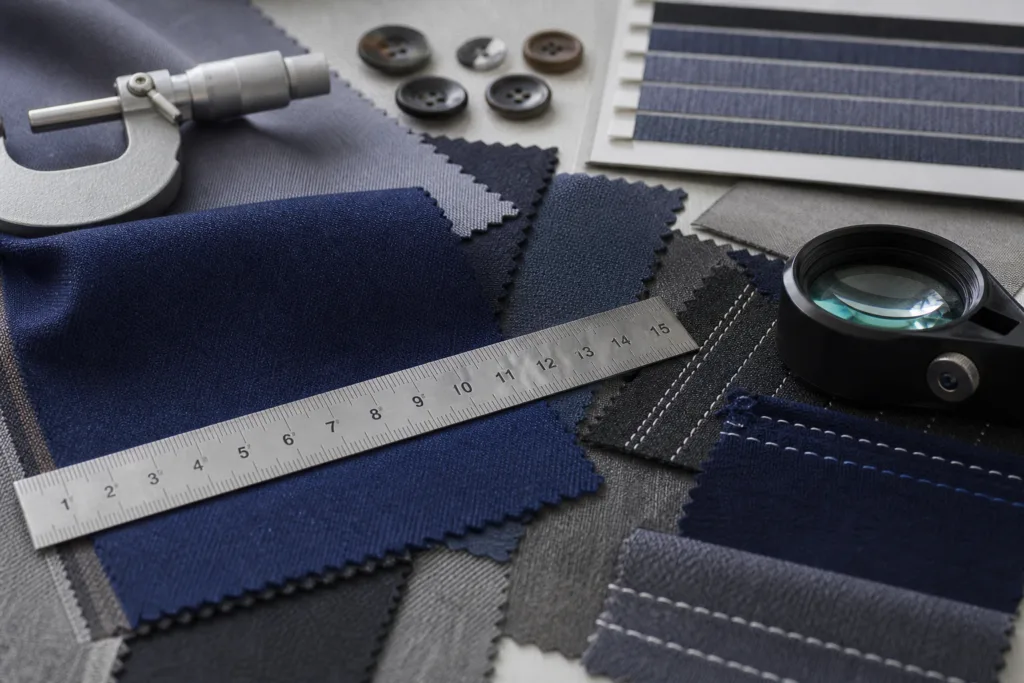
Durability and strength: what to test instead of relying on count alone
Durability depends on yarn strength, fiber integrity, weave stability, abrasion resistance, and seam quality. Thread count can influence this indirectly by changing density, but it does not replace test data.
For technical evaluation, buyers should look at tensile strength, tear strength, abrasion resistance, and pilling tendency. ASTM textile test methods are a useful framework because they include fabric count-related methods as well as performance tests for abrasion, pilling, and related physical properties. In other words, quality evaluation should move beyond count claims and include actual wear-relevant testing, which is why the ASTM textile test methods for abrasion, pilling, and fabric count are relevant when building a more complete QA plan.
As a rule of thumb, a fabric intended for high-abrasion use should be evaluated by lab result, not by count alone. A shirt fabric with a moderate thread count may outperform a higher-count fabric if it has stronger yarns, better fiber selection, and tighter quality control.
Breathability, drape, pilling, shrinkage, and appearance
Breathability is affected by construction density, fiber type, and finishing. A dense high-count woven fabric may trap more air and feel less breathable, while a lower-count fabric may allow better airflow. But fiber choice can reverse the impression: a high-quality fine cotton or a filament yarn may still feel comfortable if the weave is balanced and the fabric weight is appropriate.
Drape is shaped by yarn flexibility, weave structure, and GSM. Lightweight, finer yarn fabrics often drape more fluidly, while heavier or more tightly built fabrics hold shape more firmly. Pilling often increases when short fibers, low twist, and surface friction combine, so a count claim does not predict pilling resistance by itself. Shrinkage depends on fiber behavior, fabric stabilization, and finishing quality. Woven fabrics can still shrink or skew if the process is not controlled properly.
For this reason, it is helpful to compare counts alongside the comparison of natural and synthetic fiber performance. Fiber chemistry influences moisture behavior, dimensional stability, and surface wear, all of which shape the final fabric experience.
Common marketing pitfalls and misleading thread count claims
One of the most common pitfalls is ply counting. Some sellers count both plies in a 2-ply yarn as if each ply were a separate thread, which can artificially inflate the displayed number. Another issue is using thread count as a luxury shorthand even when the actual yarn quality is mediocre. A high number can sound impressive, but it may hide weak fibers, low-grade spinning, or aggressive finishing that disappears after a few washes.
Consumers should also be cautious when a product emphasizes an extreme thread count without explaining fiber type or weave. Very high counts can reduce airflow and may not improve comfort. In some cases, the fabric feels dense but not necessarily better. The most reliable claim is a complete construction description supported by testing, not a single headline number.
Product-specific guidance: how to evaluate different categories
| Product type | What matters most | How to read count metrics | Practical note |
|---|---|---|---|
| Bedsheets | Softness, breathability, durability | Thread count plus yarn quality, ply, weave, and GSM | Fine single yarns often matter more than inflated numbers |
| Dress shirts | Hand feel, opacity, drape, wrinkle behavior | Yarn count and weave often matter more than raw thread count | Poplin, twill, and sateen behave differently |
| T-shirts / knitwear | GSM, yarn quality, recovery, shrinkage | Thread count is usually not the right metric | Focus on knit construction and fabric weight |
| Denim | Durability, yarn twist, construction stability | Thread count is less informative than yarn type and weave | Surface appearance can be more important than count |
| Activewear | Stretch, moisture management, recovery | Count metrics may be secondary to fiber and knit structure | Performance tests matter more than headline numbers |
For knitwear and jersey products, readers should remember that thread count is usually not the best comparison tool. If you need construction-specific guidance, the resource on guide to knit structures and their properties can help translate technical features into product decisions.
Practical inspection checklist for buyers and consumers
Whether you are in a showroom or reviewing swatches, a simple checklist can prevent poor decisions:
- Confirm the fabric is woven if thread count is being used as a key metric.
- Ask for yarn count in both warp and weft directions, including the count system.
- Check whether yarn is single ply or multi-ply.
- Request GSM and compare it with the intended use.
- Inspect the fabric surface for hairiness, unevenness, or snags.
- Do a pull-and-recovery check to judge resilience where relevant.
- Review seam quality on a sewn sample if the fabric will be garment-made.
- Wash and dry a sample to observe shrinkage, twist, and finish retention.
- Ask for test reports if the fabric is for a demanding use case.
A quick tactile check is useful, but it should not be the final decision. A fabric that feels excellent before washing may change significantly after laundering. That is especially true when finishing has been used to improve surface appearance without improving underlying yarn quality.
Recommended objective tests for labs or serious brands
For sourcing teams and product developers, objective tests turn subjective impressions into repeatable decisions. Depending on the product, useful tests may include GSM measurement, tensile strength, abrasion resistance, pilling resistance, shrinkage, and dimensional stability checks. If the fabric is highly engineered, twist and yarn tension can also be documented to control consistency across lots.
The key is to align the test with the product goal. For example, a shirt fabric may need tearing and pilling checks, while a bedding fabric may need count verification, shrinkage control, and surface wear assessment. A knit activewear fabric may need stretch recovery and pilling performance more than thread count. Count metrics should support the spec; they should not replace it.
Decision framework: when to prioritize yarn count vs thread count
Use yarn count when you want to understand fineness, potential surface smoothness, and how the yarn itself will behave in spinning and weaving. Use thread count when you want to understand how densely a woven fabric is constructed. Use both, plus GSM, when the product depends on comfort, cover, and a stable hand feel.
A useful rule is this:
- Prioritize yarn count when comparing fabric refinement, softness potential, and yarn-level quality.
- Prioritize thread count when comparing woven fabric density and surface coverage.
- Prioritize GSM and performance tests when the end use is driven by wear, warmth, opacity, or durability.
That decision logic is especially important when you are balancing cost and performance. A fabric with realistic counts and strong test results is usually a better buy than a fabric with an exaggerated headline number.
Example comparisons: what the numbers can and cannot tell you
Example A: 300 TC fine-yarn sateen sheets vs 600 TC multi-ply sheets
A 300 thread count sateen made from fine single yarns can feel smoother and more breathable than a 600 thread count construction that uses multi-ply yarns to inflate the total. The 600-count fabric may look dense on paper, but if the plies are counted separately or the yarns are coarse, the surface may not feel better. In this case, yarn quality, ply, and finish matter more than the headline number.
Example B: lightweight high-Ne shirting vs heavier low-Ne poplin
A high-Ne shirting fabric uses finer yarns, which can produce a refined hand and elegant drape. A lower-Ne poplin may be heavier and more robust, which can be desirable for some uniforms or work shirts. Neither is automatically superior. The right choice depends on whether the garment needs softness and drape or more body and durability.
How to specify fabric in a tech pack
In a tech pack or sourcing sheet, write the fabric in a way that reduces ambiguity. A strong spec might include fiber content, yarn count with system, ply, weave, EPI, PPI, GSM, finish, test requirements, and acceptance criteria. For example: 100% cotton, 40 Ne single yarn warp and weft, plain weave, 130 EPI x 120 PPI, 120 GSM, mercerized, shrinkage not to exceed agreed limit after wash testing, and pilling and abrasion results required before bulk approval.
This level of detail helps suppliers quote correctly and helps QA teams judge whether bulk production matches the approved sample. It also prevents a supplier from substituting a different construction that sounds similar but performs differently.
Conclusion
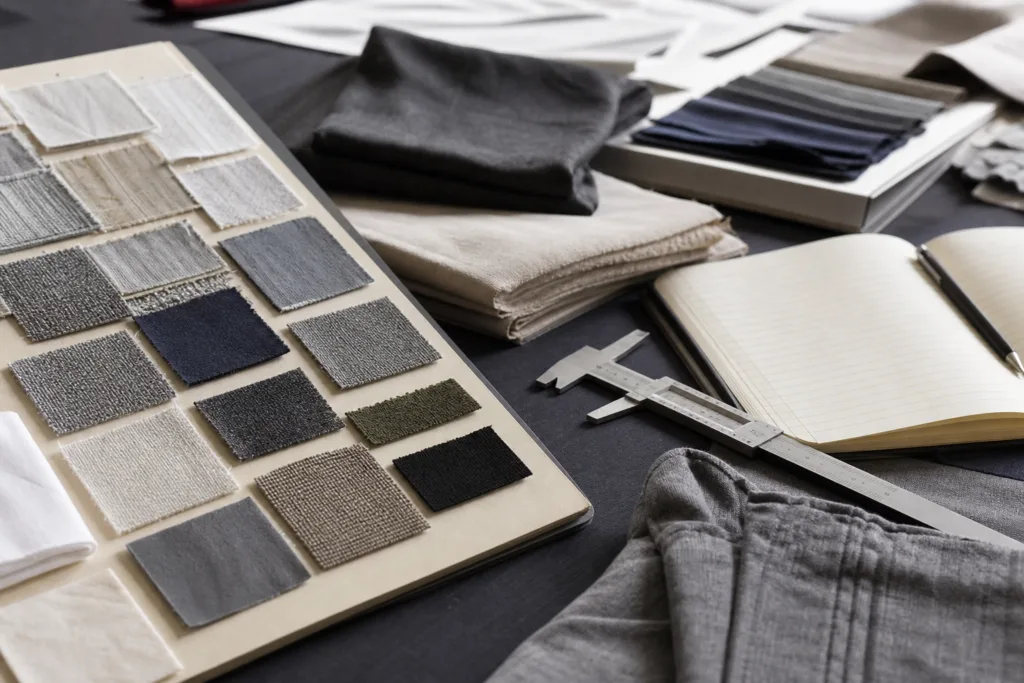
In the debate over thread count vs yarn count, the most useful answer is not to choose one and ignore the other. Thread count describes woven fabric density, while yarn count describes yarn fineness. Fabric quality comes from the interaction of both metrics with fiber type, ply, weave, finishing, and test results. For buyers, developers, and informed consumers, the safest approach is to read count information as part of a complete construction and performance picture. That is how you avoid inflated claims and choose fabric based on real use, not marketing shorthand.
Frequently Asked Questions
Is higher thread count always softer?
No. Higher thread count can sometimes improve smoothness, but softness also depends on yarn fineness, fiber quality, twist, weave, and finishing. A lower-count fabric made from better yarns can feel softer than a very high-count fabric made from inferior multi-ply yarns.
What is a good thread count for sheets?
There is no single perfect number. The better question is whether the sheets use fine, well-made yarns in an appropriate weave with a sensible GSM. A moderate thread count with strong cotton and a good finish may outperform a higher number that was achieved through ply inflation.
How does ply affect thread count?
Ply can be counted incorrectly to make a thread count appear higher than it really is. A 2-ply yarn may be marketed in a way that doubles the visible number, even though the fabric is not equivalent to a true single-yarn construction of that count.
Can thread count be used for knit fabrics?
Not usually in the same way. Thread count is mainly a woven-fabric concept. Knit fabrics are better evaluated by GSM, yarn quality, loop structure, stretch, recovery, and surface performance rather than by thread count.
How do I read yarn count on a spec sheet?
First identify the system: Ne, Tex, Denier, or another count method. Then check whether the value applies to warp, weft, or both. Finally, confirm whether the yarn is single-ply or multi-ply, because that changes how the fabric will behave.
What tests should I ask for if I want real quality proof?
Ask for the tests that match the product goal: GSM, shrinkage, tensile or tearing strength, abrasion resistance, pilling resistance, and any additional stability or recovery tests relevant to the end use. The right test set is more informative than a headline count alone.