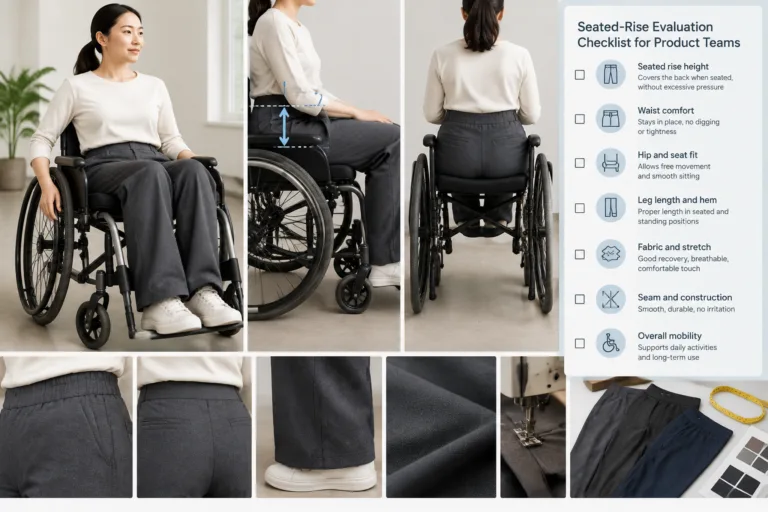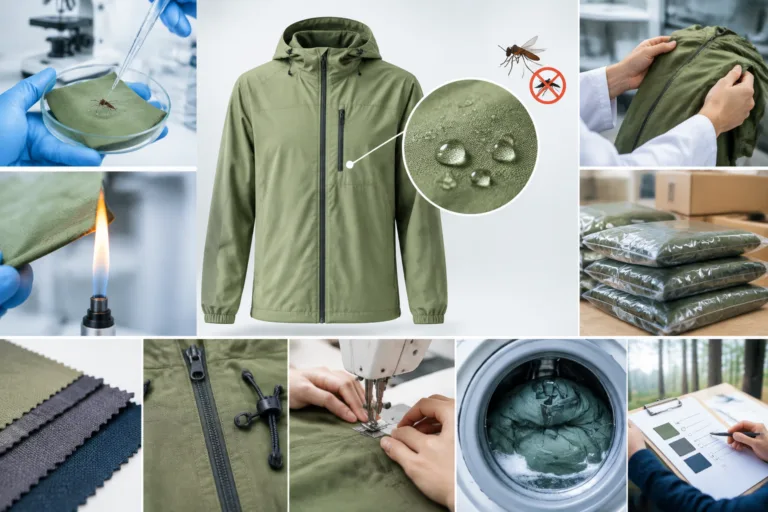
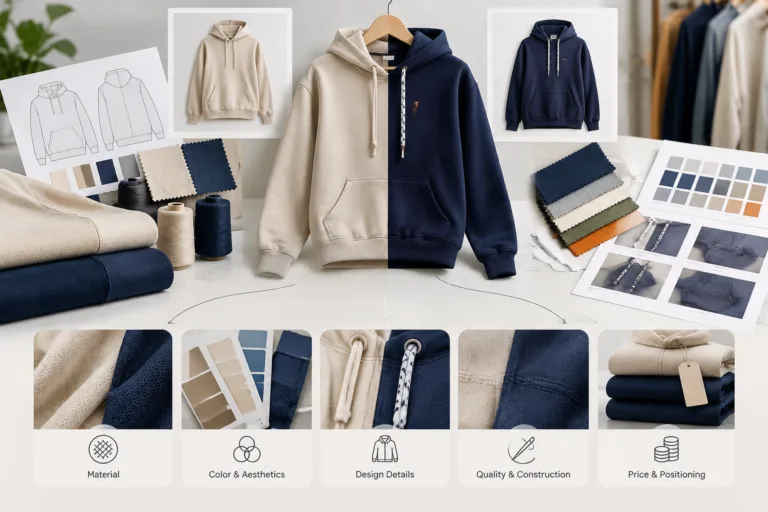
Apparel collaborations consistency means alignment between the participating brands, the products they release, and the experience customers receive. A consistent collaboration can combine different brand identities, but its positioning, visual language, product details, fit, materials, labeling, packaging, communication, and after-sales information should work together. The first question is not whether every element looks identical; it is whether each difference is intentional, documented, and compatible with the product promise.
This distinction matters when a collaboration feels mismatched or when comparable products appear to differ. Apparel Wiki is an independent educational publication, and its editorial independence is described on the Sponsor page. The guidance below is a practical framework for reviewing records, samples, and customer-facing information. It is not a laboratory finding, legal opinion, certification, or manufacturing service.
What does consistency mean in an apparel collaboration?
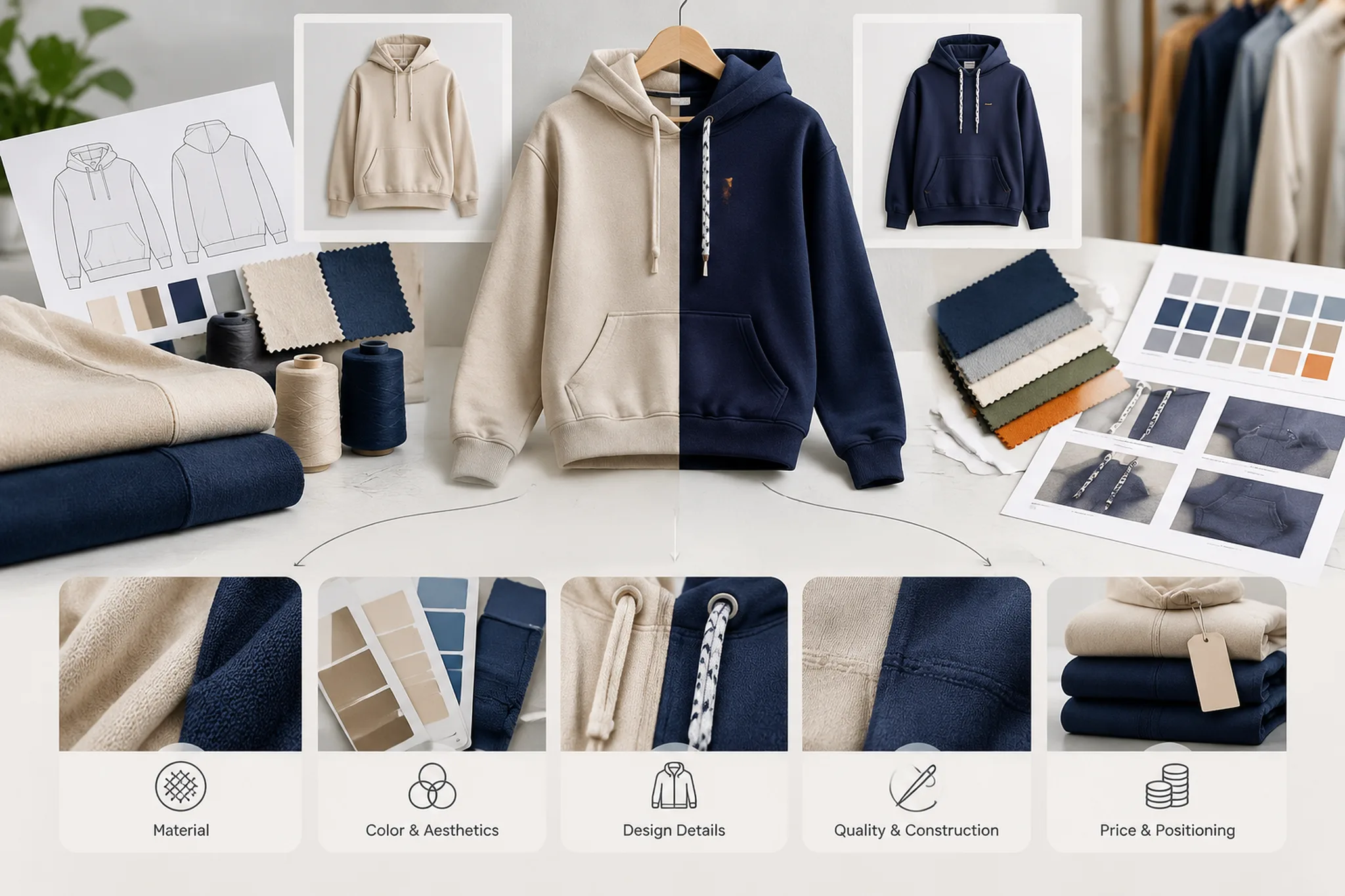
Consistency is a cross-functional agreement, not only a logo or color decision. The collaboration brief and approved brand guidelines should establish how the partners are positioned, who the product is for, what use context it serves, and how the shared identity should appear. Product development then has to translate that agreement into approved artwork, materials, construction, measurements, fit, labels, packaging, and release information.
Two partners may retain clearly different visual identities and still create a coherent collection. Contrast can be deliberate: one product category may use a quieter treatment, while another may carry a more prominent graphic or different color balance. The problem begins when the variation is unexplained, conflicts with the approved direction, or changes what a customer reasonably understands about the product.
A brand promise should be separated from the evidence that supports delivery of that promise. A promise about fit should connect to size information and approved measurements. A statement about materials should correspond with the applicable product specification. A care or performance statement should be supported by accurate product information and, where relevant, project-specific or authoritative evidence. Visual consistency alone does not prove product quality, performance, compliance, or commercial success.
For that reason, a review should compare approved references with physical samples or released products. Relevant records may include the project brief, collaboration agreement, brand guidelines, technical package, product specifications, packaging proof, and customer-facing copy. Standardized apparel technical packages are commonly used to support consistency and communication among development participants, but the project’s actual records remain the controlling evidence for a particular finding.
Where do inconsistencies usually appear in a collaboration?
Begin with the customer-visible symptom, then identify the operational area that may need examination. A difference in tone or target customer is not automatically a defect. Compare the partners’ positioning, audience, price expectations, communication style, and intended use before deciding that the collaboration has a brand mismatch. The question is whether the combined offer is understandable and supported by the approved project direction.
Visual inconsistencies can appear in logos, typography, color use, artwork placement, photography, packaging, woven or printed labels, and digital listings. Check whether the released asset matches the approved file and whether the same rule is being applied across products and sales channels. A small design change may be intentional, but it should be traceable to an approved decision rather than introduced through an outdated file or informal instruction.
Product execution creates a separate group of possible inconsistencies. Review fabric, color, trims, measurements, fit, construction details, grading, and overall appearance between approved samples and released items. When variation is suspected, compare representative products, sizes, colorways, or batches that match the suspected issue. One item may reveal a symptom, but it does not by itself establish how widespread the condition is or what caused it.
Communication and delivery promises can also diverge. Check product pages, size charts, care instructions, packaging inserts, customer-service scripts, returns information, and partner-channel descriptions. A product may be visually aligned while its size information or care guidance differs between channels. That is still a collaboration inconsistency because the customer-facing experience is part of the product promise.
The same symptom can have several possible sources. A color difference may relate to material, process, viewing conditions, or communication. A fit complaint may involve pattern, grading, measurement method, construction, or customer expectation. Equipment, washing, handling, and recording errors can also produce similar observations. Record the location, direction, frequency, batch, and appearance conditions before treating any possible cause as confirmed.
How can you investigate an inconsistency without guessing the cause?
First, write the concern in observable terms. State what differs, where it appears, how often it occurs, and under what conditions. “The chest looks wrong” is difficult to test; “the released size medium measures differently from the approved measurement chart at the specified point” gives the team a comparison and a method to verify.
Next, define the comparison set. Depending on the issue, this may be approved artwork versus production artwork, a fit sample versus a shipment item, one partner’s product page versus the other partner’s listing, or one batch versus another. Preserve dated photographs, sample identifiers, measurements, batch information, communication records, and the applicable specification revision. Traceability records can help connect a product or material to its supporting production evidence, but they do not automatically prove the cause of a problem.
List competing hypotheses across materials, pattern and construction, equipment or process, washing and care, communication, and measurement error. For each hypothesis, note supporting evidence, possible counterevidence, and the smallest practical verification step. A measurement concern might require checking the measurement method and several representative items. An artwork concern might require comparing the approved file, production file, and release approval.
Record the result as confirmed, unresolved, or a working assumption. This minimum-evidence workflow helps prevent one photograph, complaint, or anecdote from becoming an unsupported root-cause finding. Claims about colorfastness, dimensional change, strength, chemical content, or other regulated or performance properties require validated methods and competent technical interpretation. This editorial framework can organize the investigation, but it does not replace qualified laboratory, inspection, legal, or compliance assessment.
How should teams compare the collaboration against its approved standard?
Use the latest approved specification as the project baseline, while recording any later revision formally. A comparison matrix makes the review easier to discuss across design, development, sourcing, manufacturing, quality, merchandising, and customer service. Keep identity elements separate from product attributes so a disagreement about visual treatment is not mistakenly described as a manufacturing defect.
| Comparison field | What to record |
|---|---|
| Approved reference | Relevant artwork, specification, sample comment, size information, label, or release approval |
| Observed result | What appears in the sample, batch, product page, package, or customer interaction |
| Difference type | Intentional expression, specification deviation, execution error, communication mismatch, or unresolved observation |
| Customer impact | Possible effect on identity, fit, care, usability, expectations, or stated product information |
| Evidence and ownership | Evidence strength, responsible owner, and the next verification or decision |
Prioritize differences that may affect fit, safety, care, labeling, usability, or a clearly stated customer promise. Choose a review scope suited to the suspected issue rather than assuming every product behaves identically. Document the sampling rationale, the inspection or measurement method, and the specification revision used. The matrix supports an internal decision; it does not establish regulatory compliance or create a pass result under an external standard.
Which trade-offs can make a collaboration look inconsistent?
A collaboration must preserve enough of each partner’s identity to feel genuine while creating a product language that works as a whole. Those goals can pull in different directions. A bold logo treatment, unusual color relationship, or shared graphic system may be intentional, even when it differs from either brand’s usual presentation. The important question is whether the difference follows an approved creative rationale or appears through uncontrolled execution.
Material and production choices can also change how the approved concept appears. Fabric availability, color matching, print or embroidery method, construction limits, fit blocks, and production scale may affect the final result. These factors can explain why artwork, color, texture, or proportions look different across product categories. They do not, by themselves, prove that a defect or failure has occurred.
Compare like with like before calling a difference inconsistent. A different treatment for a jacket, accessory, or retail channel may be deliberate. Uncontrolled variation between comparable products, sizes, colorways, or batches deserves closer review. Simplifying artwork, changing materials, or revising packaging can be reasonable when the change is approved, recorded, and reflected accurately in product information.
Creative coherence cannot compensate for unsupported product promises. A collaboration may have a strong visual system while still presenting inconsistent size information, care instructions, packaging details, service responses, or after-sales support. Review the delivery behavior behind the brand promise, not only the appearance of the collection. Where a change depends on a material or process limitation, retain the relevant technical documentation and partner approval.
What corrective actions should a collaboration team take first?
Begin by separating containment from correction. If a difference could affect fit, usability, labeling, safety, or a clearly stated customer promise, the responsible team may need to identify or hold affected work while the issue is examined. Containment limits further confusion; it does not establish the cause. The appropriate response depends on the evidence, project records, and the scope of the suspected issue.
Assign each finding to an owner who can act on it. Brand and design teams may own identity assets and creative approvals. Product development, sourcing, manufacturing, and quality teams may own specifications, materials, construction, inspection, or production records. Merchandising and customer service may need to correct product pages, size information, care guidance, or customer-facing explanations. Clear ownership prevents an observation from remaining a shared concern with no decision.
Update the applicable source of truth. That may be a final artwork file, technical package, measurement chart, labeling copy, packaging proof, release approval, or product-page record. Standardized technical packages are used in apparel development to support communication and consistency between project participants; compare the approved revision with the observed result rather than relying on memory. Keep older versions identifiable so an outdated file is not accidentally used again.
Recheck the action through the same comparison method used to describe the original issue. Record what was reviewed, which revision applied, who verified the change, and whether the finding is confirmed, resolved, or still unresolved. For physical variation, retain representative samples, dated images, measurements, and batch information where available. For records and communication, preserve the relevant approvals and channel versions.
When a difference affects customer expectations, communicate the approved position consistently across partners, retail channels, packaging, product listings, and service teams. After launch, review structured complaint records, return reasons, samples, and channel feedback. Anecdotal feedback can identify a useful lead, but it is not a complete data set or automatic proof of a widespread product problem.

When is an inconsistency acceptable, and when does it require escalation?
A difference is more likely to be acceptable when it is intentional, documented, compatible with the product promise, and communicated accurately where necessary. The record should explain what changed, why it changed, which products or channels it affects, and who approved the decision. A difference that is merely familiar or common in the industry should not be treated as acceptable without reference to the project’s own requirements.
Escalation is appropriate when the issue may affect safety, required labeling, intellectual-property permissions, fit, usability, a stated performance claim, or a material commercial commitment. Questions about legal duties, regulatory requirements, laboratory testing, intellectual property, or technical performance may exceed an ordinary design or production review. In those cases, seek qualified specialist input rather than presenting an internal comparison as a certification, legal opinion, or test result.
Traceability records can help connect a product or material to its development, production, and inspection evidence. They are useful for narrowing the review, but their presence does not prove that every claim is correct. Close the investigation only when the team has a clear finding, an evidence trail, an owner, a documented action, and a verification status. If one of those elements is missing, describe the matter as unresolved or provisional.
For the next review, define the symptom in observable terms, compare it with the approved baseline, test the leading competing hypotheses, record the decision, and update the source of truth. Apparel Wiki is an independent educational publication, so this framework is practical editorial guidance rather than manufacturing, laboratory, inspection, legal, or compliance advice. A relevant Apparel Manufacturing Tools resource may help organize the supporting records and checks.
Frequently Asked Questions
What is consistency in an apparel collaboration?
Consistency is alignment between the participating brands, the product’s approved details, and the customer-facing experience. It includes identity, materials, fit, labeling, packaging, product information, service, and after-sales communication. It does not mean that every product must look identical or that visual agreement proves product quality.
How can I tell whether a collaboration difference is intentional or an error?
Compare the difference with the approved creative rationale, specifications, change records, and release information. A difference is more likely intentional when it is documented and communicated consistently. If no approval or explanation exists, record it as an observation and investigate rather than assuming either a creative decision or a production error.
What records should a team collect when investigating an apparel inconsistency?
Collect approved artwork, technical packages, sample comments, measurement information, bills of materials, packaging proofs, product listings, dated photographs, sample or batch identifiers, inspection records, and relevant communications. Use representative evidence when variation is suspected. The exact records depend on whether the concern involves identity, product execution, production, or customer communication.
Can one photo prove that an apparel collaboration has a production defect?
Usually, one photo can document a symptom but not establish its root cause, frequency, or scope. Lighting, camera angle, garment position, washing, measurement method, and material behavior may affect what appears in an image. Compare additional samples and records, then use an appropriate technical or laboratory review when the claim requires specialized evidence.
Which apparel collaboration issues should be escalated to a specialist?
Escalate concerns involving safety, required labeling, intellectual-property permissions, legal or regulatory interpretation, laboratory testing, technical performance, fit or usability risk, or a material commercial promise. An internal review can organize the evidence, but it should not be presented as a legal opinion, certification, compliance determination, or laboratory result.
How can teams prevent outdated artwork or specifications from causing repeat inconsistencies?
Maintain a clearly identified source of truth, control revisions, archive superseded files, and connect approvals to the applicable product or channel. Before release, verify artwork, specifications, packaging, labels, product pages, and service information against the same approved revision. Record who checked each item and communicate approved changes to every affected team.