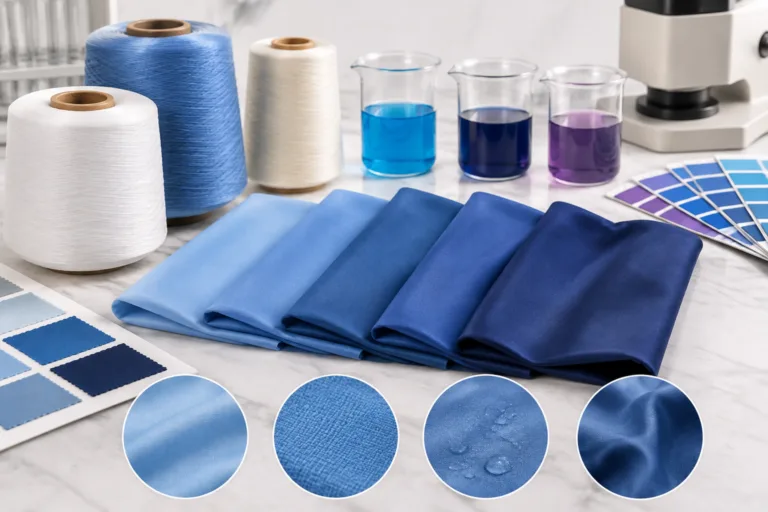
Nylon 66 is a polyamide fiber, not a dye type. In nylon 66 dyeing, the fiber’s chemistry provides sites where compatible dye molecules can interact with it. How accessible those sites are matters to how color develops, but the fiber name alone does not tell you which dye or process to use, what shade to expect, or how well that shade will hold up. Apparel Wiki’s Sponsor page explains the publication’s editorial independence policy.
To understand a color result, separate what happens between the dye and fiber from what you see in the finished textile.
How Nylon 66 Dyeing Develops Color
Color development describes how the textile acquires color during dyeing. Nylon 66 matters because a dye encounters a particular fiber chemistry, not just a surface to cover. In a compatible system, dye molecules can interact with accessible sites in the fiber. That is a more useful way to think about dye uptake than picturing a uniform layer of color painted onto the yarn.
The presence of interaction sites and their accessibility are separate considerations. The fiber’s chemistry helps explain why interaction is possible. Accessibility concerns whether the dye can reach those sites under the conditions used. The distinction matters when reasoning from a fiber name: knowing the material is a polyamide does not tell you how much dye the textile will take up.
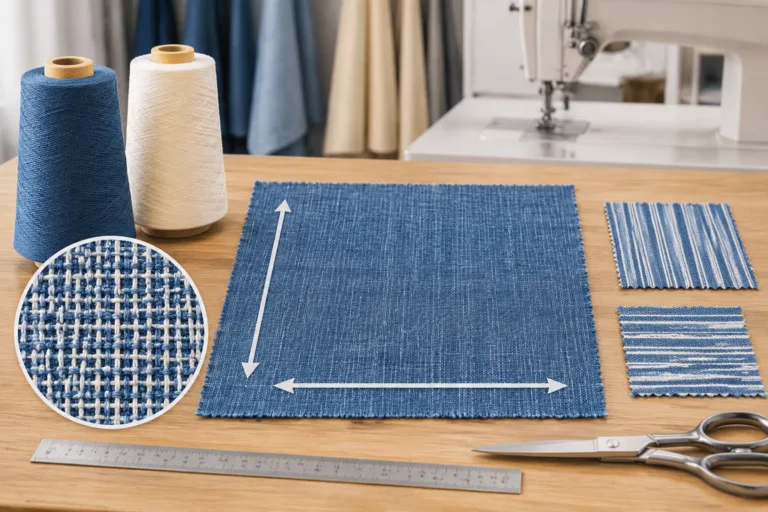
Color appearance is the visible result, and it includes more than the dye the fiber takes up. A dyed yarn and a fabric made from that yarn present color differently to the eye because the fabric arranges the yarn in a structure. The way that structure presents its surface under the viewing light is part of what you see.
That distinction helps when the same shade reference is used for a yarn and a finished fabric. A visual difference between the two is not, by itself, evidence that the dye interacted differently with the fiber. By the same reasoning, a close visual match does not tell you that the two materials arrived at that color through the same dyeing process.
In a material specification, use nylon 66 to identify the fiber and keep the shade reference tied to the textile form it describes. A yarn reference tells a reader what the yarn should look like. A finished fabric reference describes the intended appearance after construction and preparation. Neither gives the reader a dyeing recipe.
How Dye-Fiber Compatibility Shapes Color
Compatibility describes the relationship between a dye and the fiber it is meant to color. For nylon 66, the question is how the dye’s chemistry relates to the sites it can reach in the fiber. Different dye classes can interact with nylon in different ways. Naming the fiber therefore gives only one side of the pairing.
A compatible pairing makes color development possible, but it does not specify shade depth or uniformity. Depth concerns how light or dark the shade looks. Uniformity concerns how consistent it looks across the material. A dark area on a swatch can show that color developed there without telling you whether the rest of the material developed color to the same degree.
Likewise, a visible difference between two areas does not automatically point to poor compatibility. The dye and fiber might be the same throughout while something about the material or processing differs. Compatibility is one question to investigate, not a diagnosis for every shade difference. It is also not a reason to assume one dye class is the best choice for every nylon 66 textile.
Keep initial color separate from colorfastness, which describes resistance to color change or transfer under a particular exposure. A deep shade does not establish resistance to washing or light. Evidence about one exposure does not answer the question for another. The relevant performance question follows from how the textile will be used and cared for, not from how strong the color looks when new.
When reading a specification, ask what dye system is intended for the stated material and which performance expectations are documented separately. This is especially useful when a shade reference comes from another fabric: the reference can convey the target appearance without establishing that the same dye system suits the new material.
Variables That Change Nylon 66 Color Results
When two materials described as nylon 66 show different shades, the fiber name is a starting point for comparison. Before attributing the difference to the dye or changing the shade target, check what else is shared between the materials. The following variables help narrow the question without treating any one difference as a proven cause.
- Material form and construction. Establish whether the material was dyed as yarn or as fabric. Note the yarn form and how the yarns are arranged in the fabric. Depending on the construction and process, those details can affect how consistently the dye reaches the material.
- Surface condition and preparation. Check what preparation preceded dyeing and whether the materials entered the process in a comparable state. Where the starting conditions differ, include preparation among the factors to investigate rather than assuming it made the finished shade lighter or darker.
- Dye selection and process conditions. Determine whether the same dye system and processing conditions were used. A common shade target does not establish that the processes were alike. A documented process difference gives you a specific factor to investigate, not proof that it accounts for the shade difference.
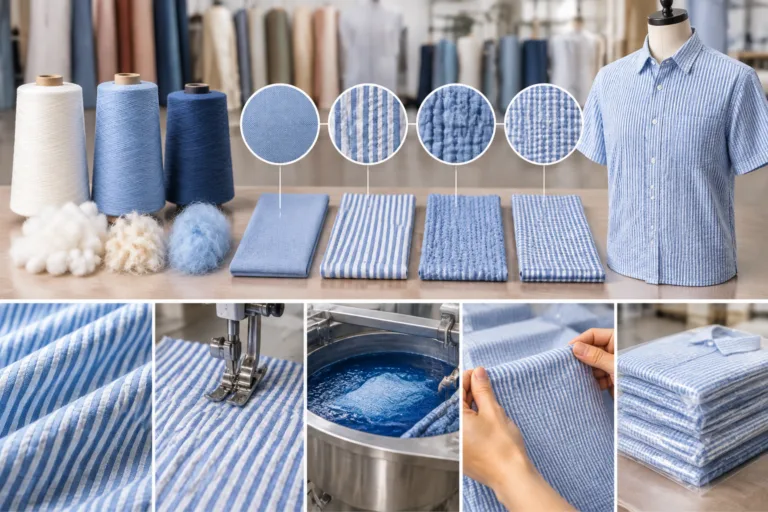
- Blend composition and yarn placement. Record the fibers and their proportions, then check how they are arranged. A second fiber blended into a yarn is a different construction from a second fiber used in a separate yarn. The blend percentage alone cannot tell you how each component contributes to the visible color.
Read these details alongside the textile’s intended use. For an apparel material, a fiber match is less informative when the reference represents a different fabric construction or stage of preparation. If several details differ at once, the shade difference is a reason to narrow the comparison, not to assign a cause to the first difference you find.
How to Evaluate and Compare Color Development
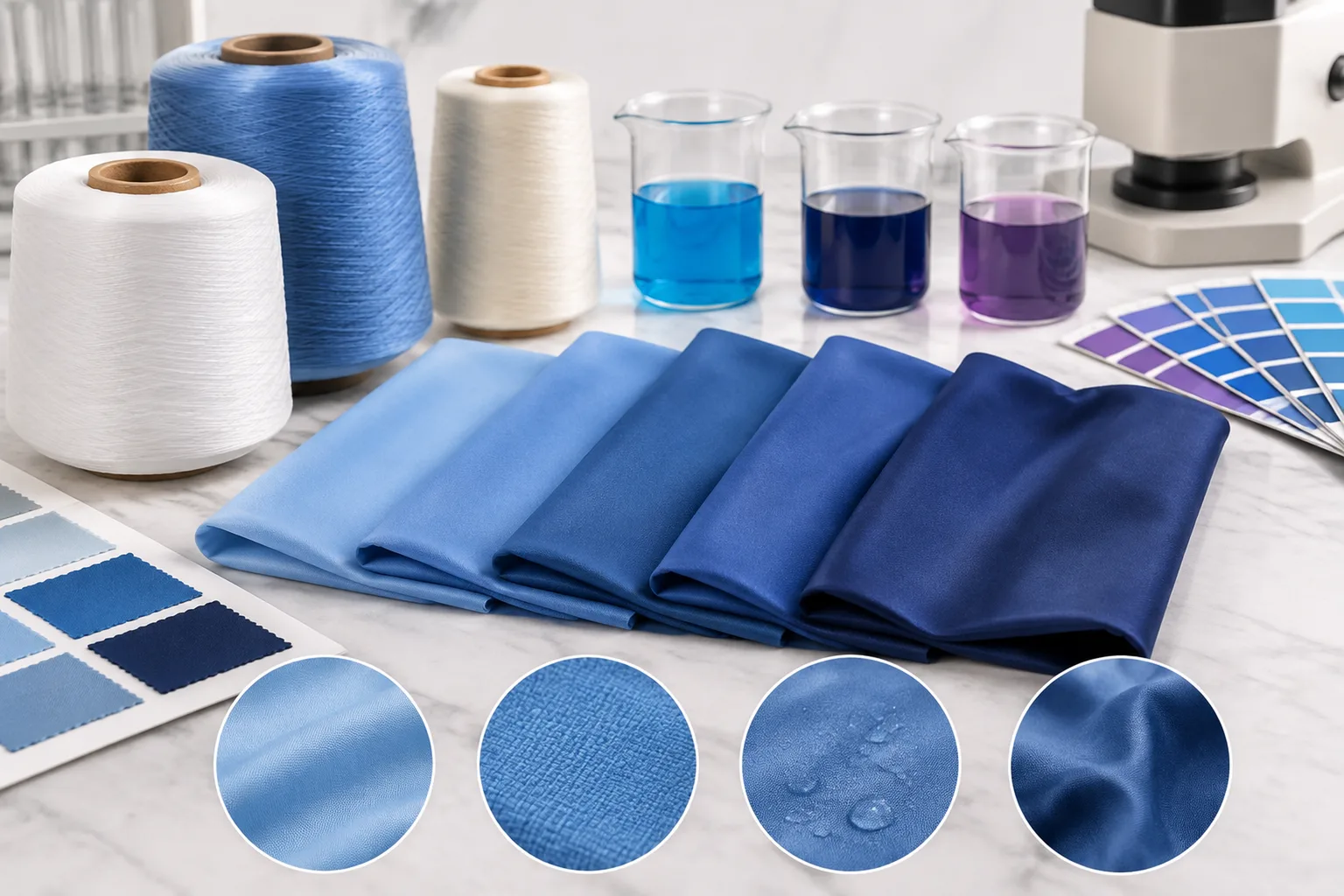
Start with the decision the comparison needs to support. If you’re choosing a shade for a garment, use a reference swatch in the intended fabric construction and finish where possible. If you’re investigating a shade difference, check how closely the two specimens match in material form, preparation, and viewing conditions. Record any differences before interpreting what you see.
| Observable input | What it may indicate | Initial question or choice | What could change the interpretation |
|---|---|---|---|
| Fiber label and material specification | Whether the specimens have the same documented composition | Do the records give the full composition for the area being compared? | Blend proportions or different yarns used in different parts of the fabric |
| Dye system and available process notes | Whether the samples followed a comparable coloration process | Which parts of the dye system and process can be matched across the records? | Changes to the dye selection, processing conditions, or documented process revision |
| Sample construction and preparation | Whether both swatches represent the intended fabric at the same stage | Do the swatches have comparable structures and preparation histories? | Differences in yarn form, fabric structure, or preparation before dyeing |
| Stated evaluation method | Whether the records answer the same color question | Were both specimens evaluated against the same reference under documented conditions? | Different lighting, specimen presentation, or test conditions |
For a lightweight nylon 66 knit, compare it first with a reference knit that represents the intended garment. If the knit is open enough for the backing to show through, place both swatches on the same backing and view them under the same lighting. If one swatch contains a blend or was prepared differently, record that difference when deciding how much weight to give the comparison.
Record a visual observation in terms another reader can check. “The candidate looks darker than the reference under the stated lighting” identifies the comparison and its conditions. A measured result describes the property evaluated by the documented method. Keep the specimen ID, shade reference and revision, composition, construction, and available process details with each record. If the result includes a value, preserve its reported units. That context helps a reader judge whether the record applies to the current sample or to an earlier material revision.
What Nylon 66 Color Claims Do Not Establish
A nylon 66 designation identifies the fiber. If you’re checking whether a later lot can match a sample, look for the dye system and process records tied to that sample, along with results from the lots you intend to compare. Finished-product performance calls for evidence on the relevant material or garment under conditions that address its intended use.
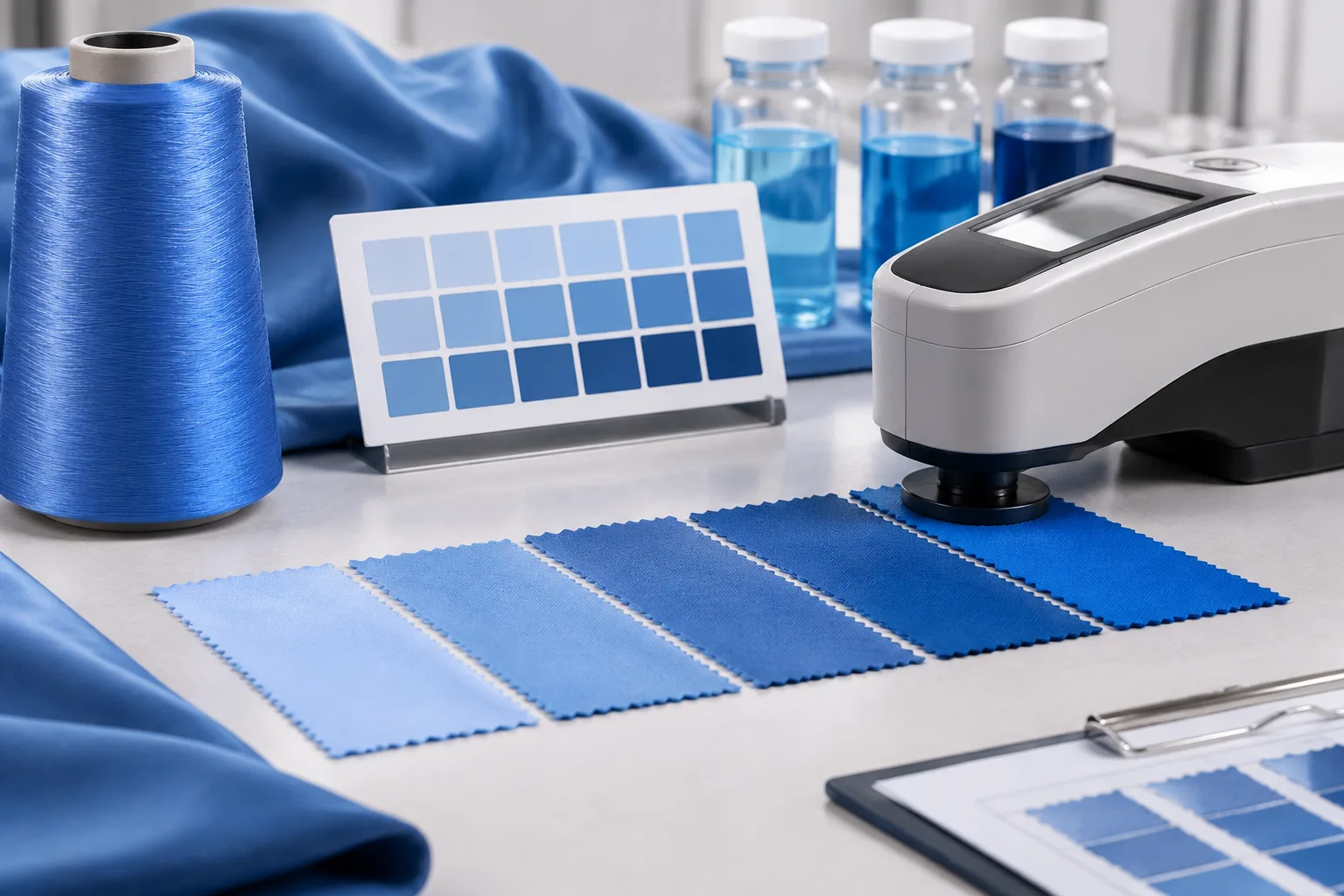
A statement such as “matches the reference” describes the swatch as evaluated. Check which reference was used and whether the judgment applies to the whole swatch or only the area examined. For a blend or mixed construction, keep that judgment tied to the documented material. A similar fiber label on another fabric leaves open differences in composition, yarn arrangement, and construction.
Read a reported test result alongside the specimen identification, the method, and the conditions it covers. For colorfastness, check the exposure addressed in the report. That detail determines whether the result answers the question at hand. If a summary says only “passed,” look for the requirement applied to that specimen before using the statement to make a material decision.
A production acceptance criterion specifies what counts as acceptable for the material being evaluated. It needs an agreed reference or requirement and a stated evaluation basis. If a development swatch is later used as the production reference, document that decision and identify the swatch revision. When reviewing a later lot, apply the agreed criterion to specimens from that lot as specified for the project.
The strength of a color claim rests on how closely its evidence matches the decision. A swatch supports a judgment about its appearance under stated conditions. A test result applies to the tested specimen and the property evaluated. A production acceptance decision also requires the agreed criterion and evidence from the material under review.
For a practical next step, take one color specification and locate its material composition, shade reference, available process information, and evaluation basis. Trace each item to the sample and revision it describes. Flag any gap that affects your decision, such as a shade reference with no identified swatch or a test result tied to a different fabric.
Frequently Asked Questions
Is nylon 66 a fiber or a dye type?
In a textile composition, nylon 66 identifies a polyamide fiber. The dye system is a separate part of the coloration record. If a swatch label lists only nylon 66, look to the accompanying material or process documents for dye information.
Does nylon 66 always produce the same shade when dyed?
Shade can vary even when two materials share the nylon 66 designation. Dye selection, processing conditions, preparation, and the textile’s construction all belong in the comparison. Use a documented shade reference to judge each sample under comparable conditions.
Which factors should be compared when evaluating nylon 66 color samples?
Start with specimens in the same material form and compare their composition, construction, and preparation. Use the same shade reference and viewing conditions for a visual check. Record any known process differences so they can be investigated if the shades differ.
Does a deep-looking nylon 66 shade prove good colorfastness?
Shade depth describes initial appearance. Colorfastness concerns how color responds to a specified exposure, such as washing or light. To judge it, look for a result that covers the exposure relevant to the intended use and identifies the material evaluated.
Can a nylon blend develop color differently from a nylon 66-only material?
Yes. The fibers in a blend can interact differently with the dye system. Their proportions and arrangement in the yarn or fabric help frame the comparison. Use swatches of the intended construction to judge the resulting appearance.
What information should accompany a nylon 66 color specification?
Include the full composition, fabric construction, and a clearly identified shade reference. Link those details to the relevant sample or document revision and record available dye-system and process information. State the evaluation basis and any agreed acceptance criterion if the specification will guide production decisions.