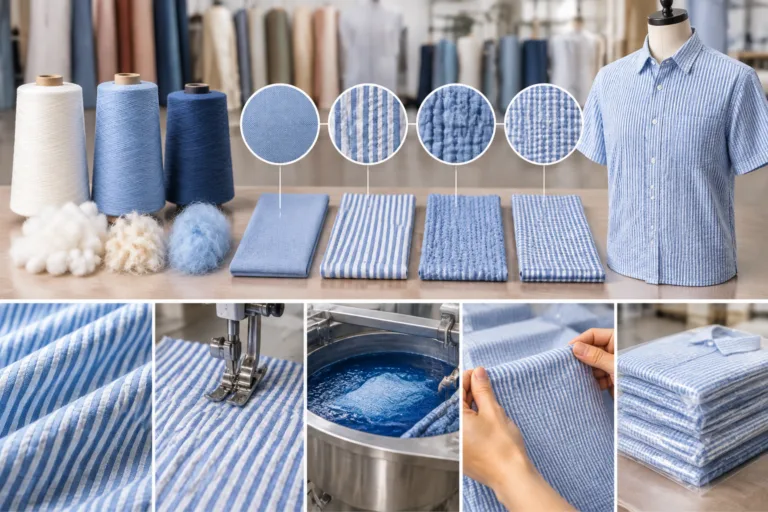
Seersucker fabric cost depends on how the cloth is made and how much usable, consistent fabric the garment plan requires. Seersucker has a puckered surface, with raised areas alongside flatter ones. The fiber and yarn, fabric structure, and work needed to achieve the specified texture and finish all shape the quote. Apparel Wiki explains its editorial independence on its Sponsor page.
A quote tells you the price per selling unit. The material budget also depends on how many of those units you need to buy. A lower price per meter can lead to a higher material bill if a narrower cutting width increases garment consumption.
What Drives Seersucker Fabric Cost?
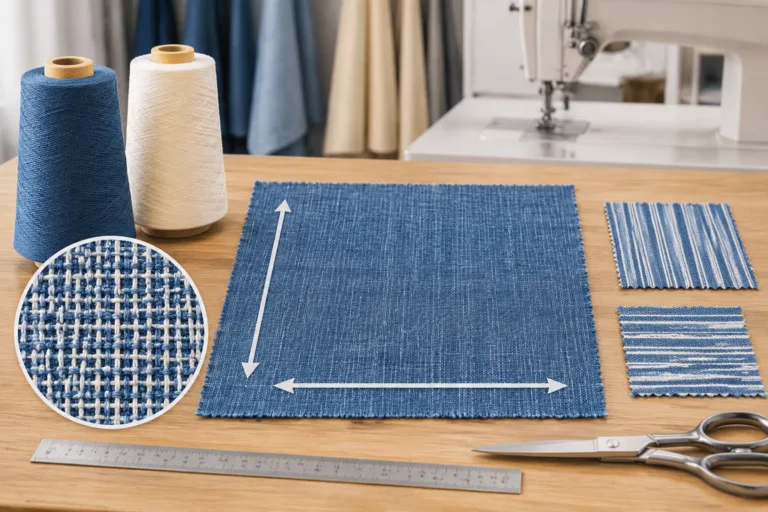
Two fabrics sold as seersucker can differ in composition, structure, width, and finish. Start with four parts of the material description: fiber content, yarn, fabric structure, and finishing. Then specify how pronounced the puckering should be and where it should appear. A shared trade name leaves all of those details open.
Read the purchasing terms alongside the fabric specification. The material description tells you what cloth the quote covers. The order quantity, usable width, and cutting yield determine how much cloth to budget for. Check which inspection or evaluation work the quote includes, along with any logistics costs you need to account for separately.
| Observable input | Likely cost implication | Initial planning question | Variables that could change the choice |
|---|---|---|---|
| Fiber content and yarn description | Define the material inputs behind the quote. | Do both offers specify the same blend and comparable yarns? | Required composition, fabric feel, and appearance |
| Pucker depth and spacing | Can change what needs to be controlled and checked. | How closely must the cloth match the approved surface? | Stripe layout and how visible variation is on the garment |
| Total and usable width | Can change the length required for the same cut order. | How much width can the cutting layout use? | Piece dimensions, edge exclusions, and pattern matching |
| GSM and finishing state | Affect how a weight-based quote translates to fabric area. | Do the GSM and selling unit refer to the cloth as supplied? | The required finish and the state in which the cloth was measured |
Use these inputs to investigate a price difference. Their effect depends on the specification and order. If the lower quote covers a different finish or a looser expectation for surface consistency, establish whether that cloth meets the garment requirements before treating the price difference as a saving.
How Fiber, Yarn, Construction, and Puckering Choices Change the Cost
Ask for the fiber blend and the yarn description separately. Two fabrics can list the same fiber percentages while using different yarns. If the garment depends on a particular hand, or how the fabric feels when handled, compare samples in the intended finish. Then identify which yarn features the specification needs to retain.
Record the base structure as well. If one offer is woven and another is a knit with a seersucker-like surface, compare each against the garment’s needs for movement and shape retention. Use the structure to identify what you’re comparing, and assess those properties on the proposed cloth under conditions relevant to the garment.
Ask how the puckering is formed and what finishing work is needed to deliver the specified surface. A sample shows the depth and spacing of the puckers at the time of review. The process description helps you ask what has to be controlled during production and what feature the inspection should check on the finished cloth.
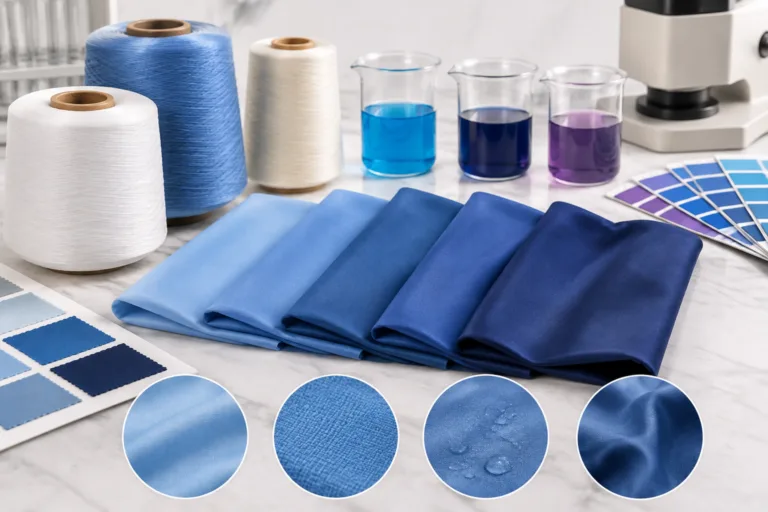
Color and pattern can add requirements of their own. If a colored stripe must stay aligned with a puckered band, ask how the position of the stripe and the repeat will be controlled. If the design allows more variation, decide how much matters visually before specifying extra controls or inspection work.
Before interpreting a price difference, compare composition, yarn, structure, color or pattern, surface effect, and finishing state side by side. Then consider where the fabric will sit on the body and how the garment will be worn and cared for. A pronounced pucker might be central to the look of a shirt, while another style might call for a subtler texture and a different hand. Those design requirements give you a basis for deciding whether a difference in the quoted cloth matters.
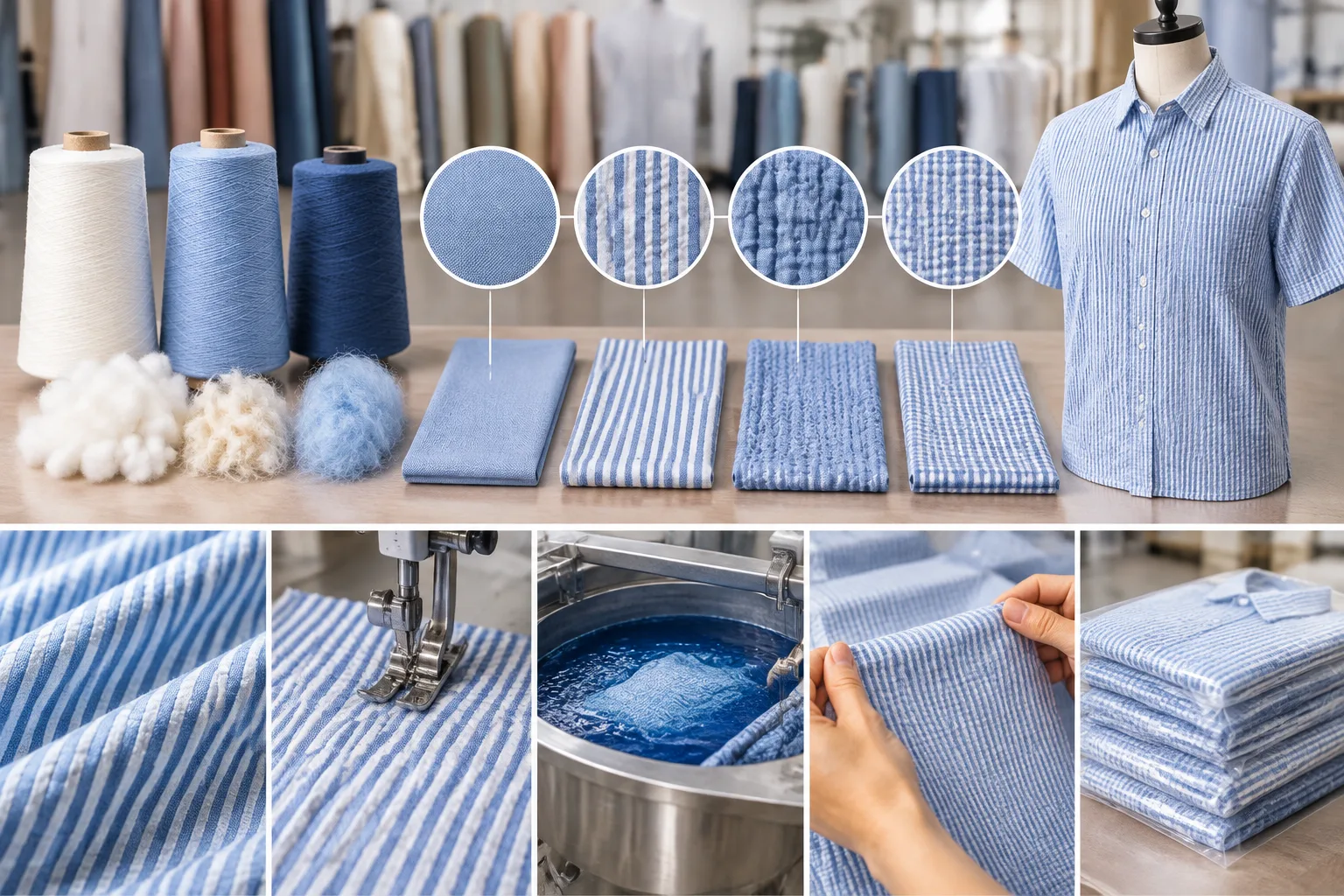
Why Width, GSM, Usable Yield, and Finishing State Matter
GSM means grams per square meter. It describes mass per unit area. Assess thickness and suitability separately, especially when a raised surface affects how substantial a sample feels. At the same length and width, a higher GSM gives a higher theoretical fabric mass.
Total width can include the selvedges, the finished edges of the cloth. Usable cutting width is the span available for laying out garment pieces. Record both widths, the selling unit, and the condition in which the cloth was measured. Use dimensions for the finishing state you’ll cut, especially if the quote and cutting plan refer to different stages.
A length-based quote tells you the price per meter or yard. With a weight-based quote, you need width and GSM to estimate the corresponding length. For the material budget, use the cutting layout at the usable width and account for any project-specific loss from dimensional change or areas that must be skipped because of defects.
Theoretical fabric mass in kilograms = length in meters × width in meters × GSM ÷ 1,000. Using 100 m and a uniform width of 1.5 m, the fabric area is 150 square meters. At 200 grams per square meter, that area gives 30,000 grams, or 30 kg. The calculation assumes the stated GSM applies across the full area.
Use the 30 kg estimate only to relate the stated dimensions and GSM to mass. Moisture can affect the weight on the scale, and packaging can affect the recorded gross weight. Unusable selvedges and defects can contribute to net cloth weight while reducing cutting yield. For a weight-based quote, clarify what the billed weight includes and base the cutting estimate on the portion of the cloth the garment can actually use.
How Order Conditions and Material Consistency Affect the Planning Cost
A fabric specification describes the cloth. The order plan describes how much you need, how that quantity is divided among colors or patterns, and what you need to approve before cutting. Start with the planned garment quantities by size and color. Work out which portions of the order can draw from the same stock and which need their own allocation.
For each option, estimate garment consumption using a cutting layout at the stated usable width. Use that estimate to work out how much usable cloth the garment plan requires. Account separately for any losses outside the layout, such as material you expect to set aside during inspection. Express the planned purchase quantity in the quote’s selling unit before applying its price.
For a lightweight seersucker style, suppose the lower-priced option is quoted in the same unit but has a narrower usable width. Run a marker, the cutting layout for the garment pieces, at each width with the same size mix. If pieces that fit side by side on the wider cloth must sit end to end on the narrower cloth, the extra length could erase the unit-price saving. The decision depends on how efficiently the pieces fit and whether the fabric design constrains their placement.
Next, decide which features need to stay consistent across rolls or lots. For a style that may be reordered, specify what a later lot needs to match, such as the approved shade or pucker appearance. Identify who will compare the samples, when approval takes place, and what the incoming inspection should cover. Include that work when comparing order options.
Check the consequences of ordering above or below the planned requirement. Could you use leftover cloth in a later run? If you run short, how would you approve a matching lot or adjust the garment plan? Ask how a different commitment would change preparation work, payment timing, and the amount of stock you would hold. Use the terms of each quote to assess any quantity-related savings.

How to Compare Seersucker Quotes on an Equivalent Basis
Give each quote a column in a comparison sheet. Record the sample reference beside the written specification so you can tell which cloth the price covers. Use four questions to check whether the offers meet the same garment requirements.
- What is the fabric? Record fiber composition, relevant yarn details, fabric structure, the specified pucker and how it is produced or finished, and the color or pattern. Identify the finishing state the quote covers.
- How is it measured? Record total finished width, usable cutting width, GSM, and the condition in which each measurement was taken. Confirm the selling unit and what the billed quantity includes.
- What can be used in the garment? Record the expected usable yield and the cutting assumptions behind it. Include any pattern placement requirements and specify which areas of the cloth the layout can use.
- What assumptions and evaluation requirements are included? Check the quantity and assortment behind the quote, the lot consistency expected, and the scope of sampling, inspection, or testing. Record which checks the quote includes and who will handle the rest.
Compare swatches in the same finishing state and under the same relevant viewing conditions. Use them to judge visible differences in color, pattern, and pucker. For full-lot consistency, wash behavior, or finished-garment performance, identify what needs evaluating at the roll, fabric, or garment level and check the applicable method and conditions.
Suppose a patterned seersucker looks suitable in the swatch, and the garment design calls for the pattern to align across the front opening. Check how the pattern repeats and how evenly the pucker appears across the usable width in the post-finish condition. Ask whether the supplier’s documentation covers that condition. A style without the same alignment requirement could leave more freedom to place the pieces. If matching is essential, use the documented repeat in the cutting plan and agree on how to assess alignment on the garment sample.
Resolve any differences that could explain an apparent bargain. If the lower quote covers cloth before the specified finish, request a quote for the finished version before comparing prices.
A Practical Next Step for Estimating Seersucker Cost
Build a side-by-side comparison sheet for two quotes on one garment. Enter composition, construction or puckering method, width, GSM, selling unit, finishing state, yield assumptions, and the evaluations the garment requires. Seersucker fabric cost depends on the cloth you specify and the quantity that meets your requirements and can be cut.
Mark missing information as unresolved. Check the applicable measurement or test method where a claim affects your decision. Once both quotes describe the cloth in the condition you will cut and cover the usable quantity you need, compare the planned purchase costs.
Frequently Asked Questions
Is seersucker fabric expensive compared with other fabrics?
That depends on the specific fabrics and the garment. Choose an alternative that meets the same design and use requirements, then compare the quantity each would require for the planned garment run and the cost of that quantity.
Does fiber content determine seersucker fabric cost?
Fiber content is one part of the quote. If two offers list the same composition but differ in price, check the yarn, structure, pucker, and finish before deciding whether they cover equivalent material.
Why can fabric width change the effective cost of seersucker?
Usable cutting width determines which pattern pieces can fit across the cloth. A difference in width matters when it changes the layout. A wide panel, for example, can take up space that a narrower piece could otherwise share.
Should seersucker be compared by meter, yard, kilogram, or another unit?
Use the unit that fits your planning records, then compare the purchase cost for the same garment run. For a quote by weight, verify the billed weight basis and use width and GSM from the applicable fabric state to estimate length.
What specifications should be included when requesting a seersucker fabric quote?
Include composition, construction, the desired pucker, color or pattern, finishing state, finished and usable widths, and GSM. State the quantity by color or pattern, the preferred selling unit, and any sampling, lot consistency, or inspection requirements that affect approval.