
Reducing Fabric Consumption Without Hiding Cost and Delivery Tradeoffs
Learn how to evaluate lower fabric consumption against fit, quality, production complexity, purchase assumptions, and delivery confidence before approving a costing change.
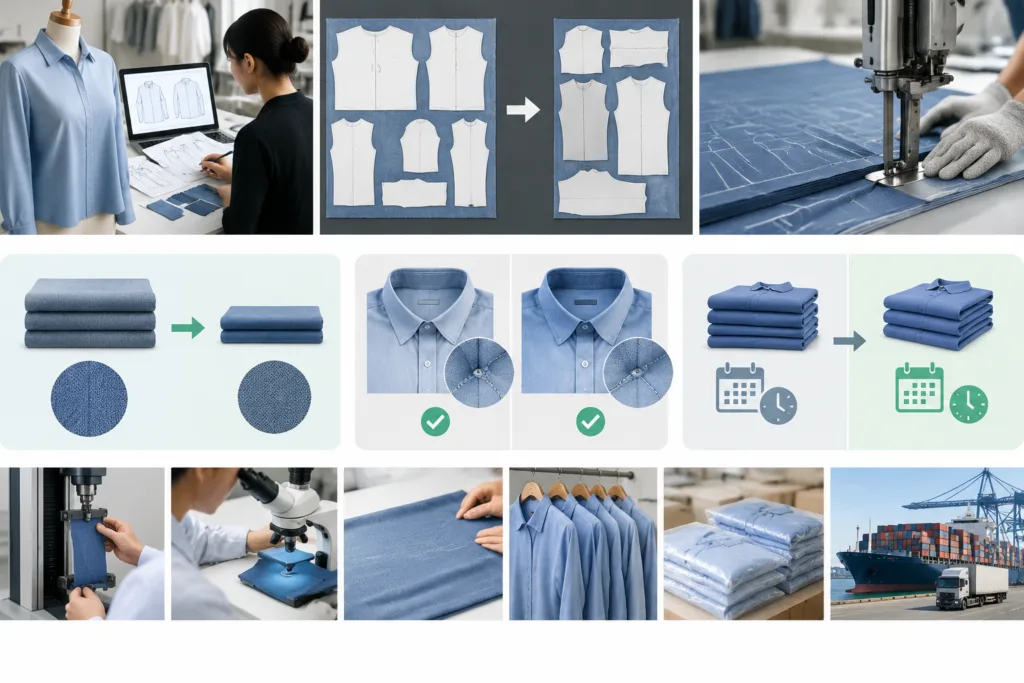
Learn how to evaluate lower fabric consumption against fit, quality, production complexity, purchase assumptions, and delivery confidence before approving a costing change.
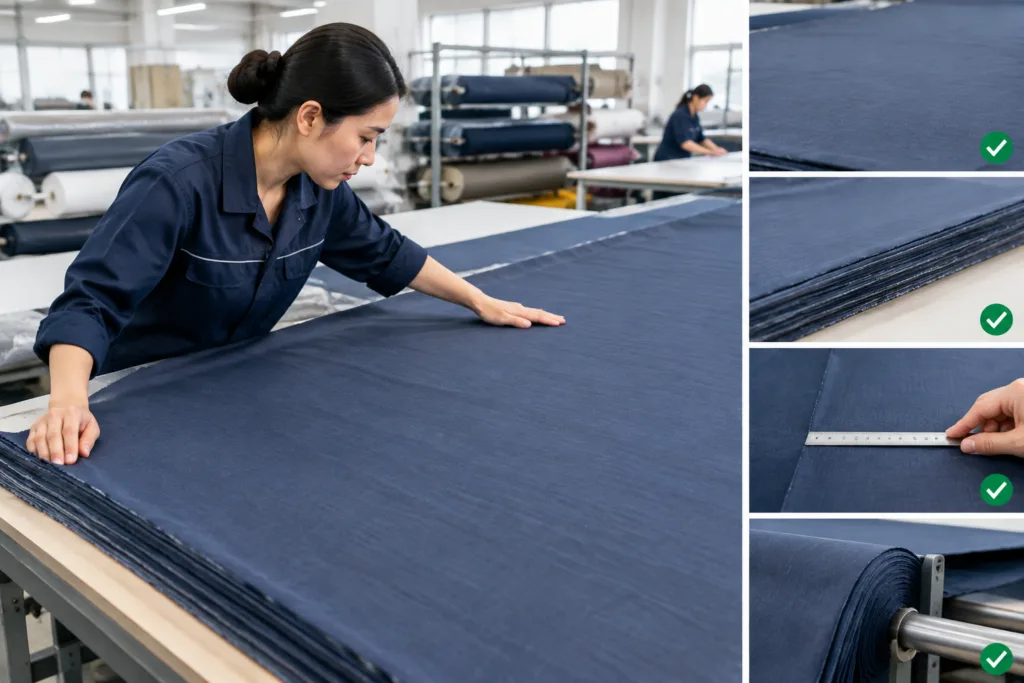
A practical guide to checking, comparing, and selecting manual fabric spreading methods in garment production, with attention to lay quality, material behavior, and cutting-room controls.
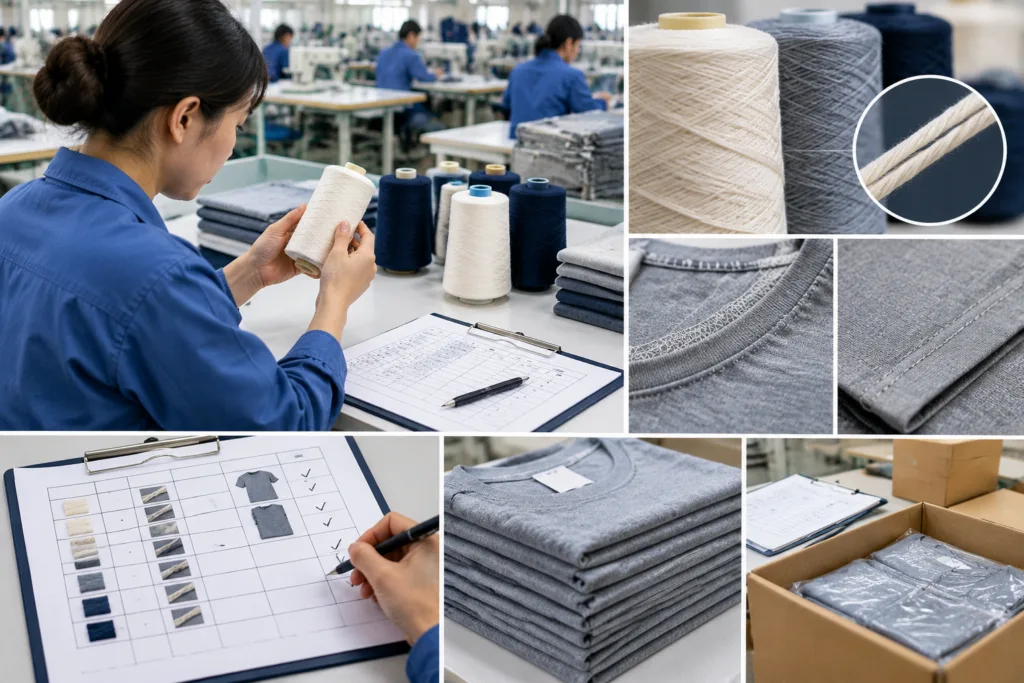
Learn how apparel factories plan, verify, record, and review fabric ply numbers during cutting, and how ply counts differ from other cutting-room quantities.
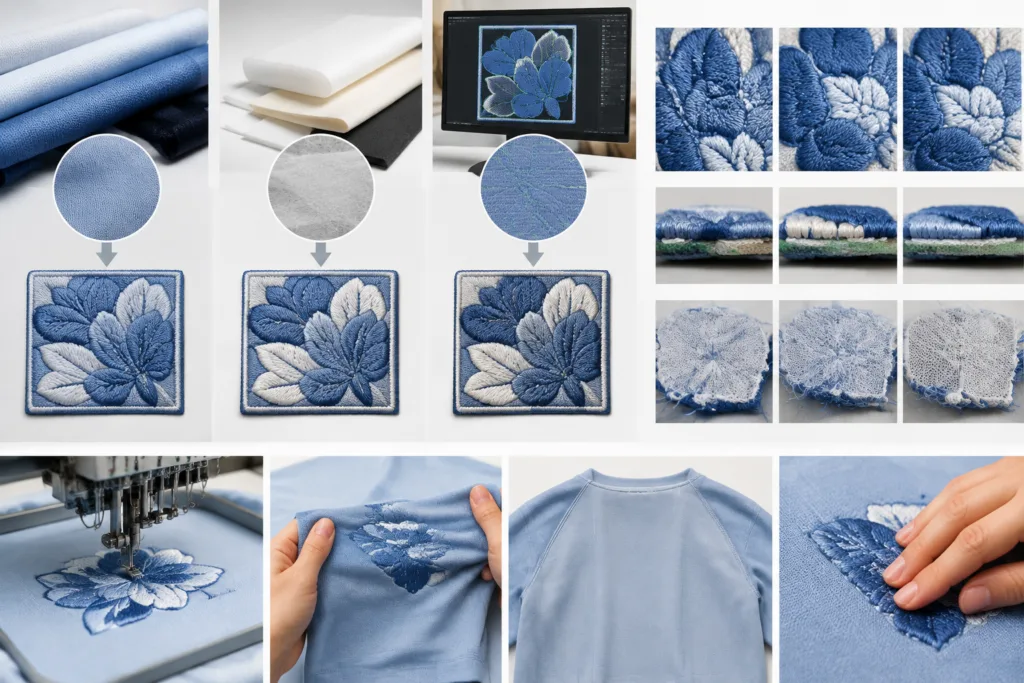
A practical guide to diagnosing tatami fill thread breaks, loose stitches, fabric distortion, reverse-side discomfort, and unstable embroidery sew-outs.
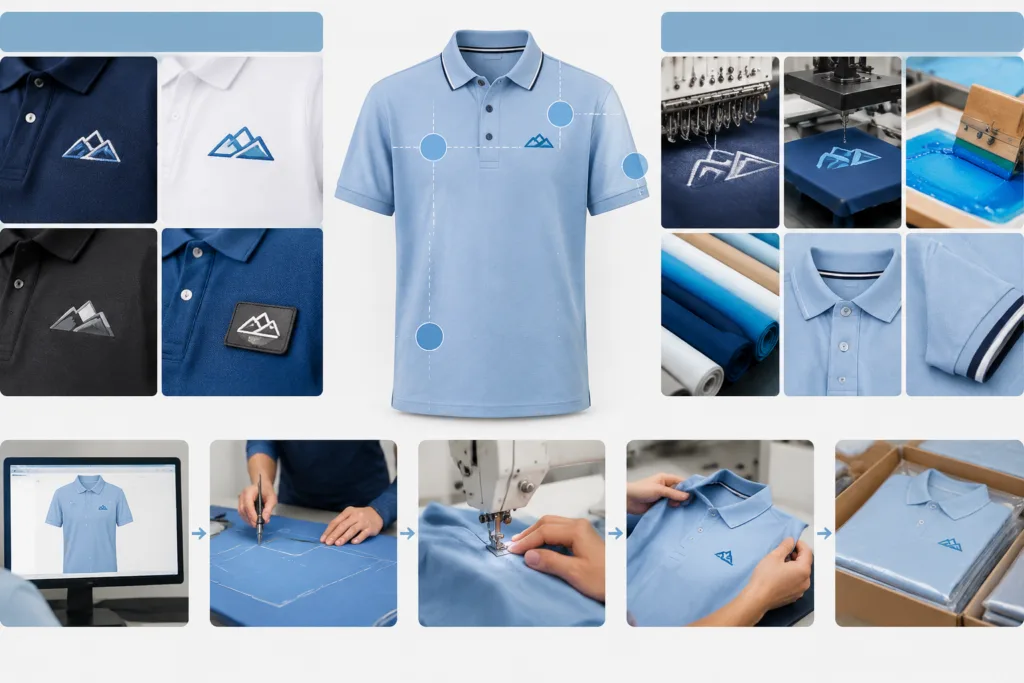
Learn how logo purpose, polo shirt construction, garment size, decoration method, and sample review affect a practical logo placement decision.
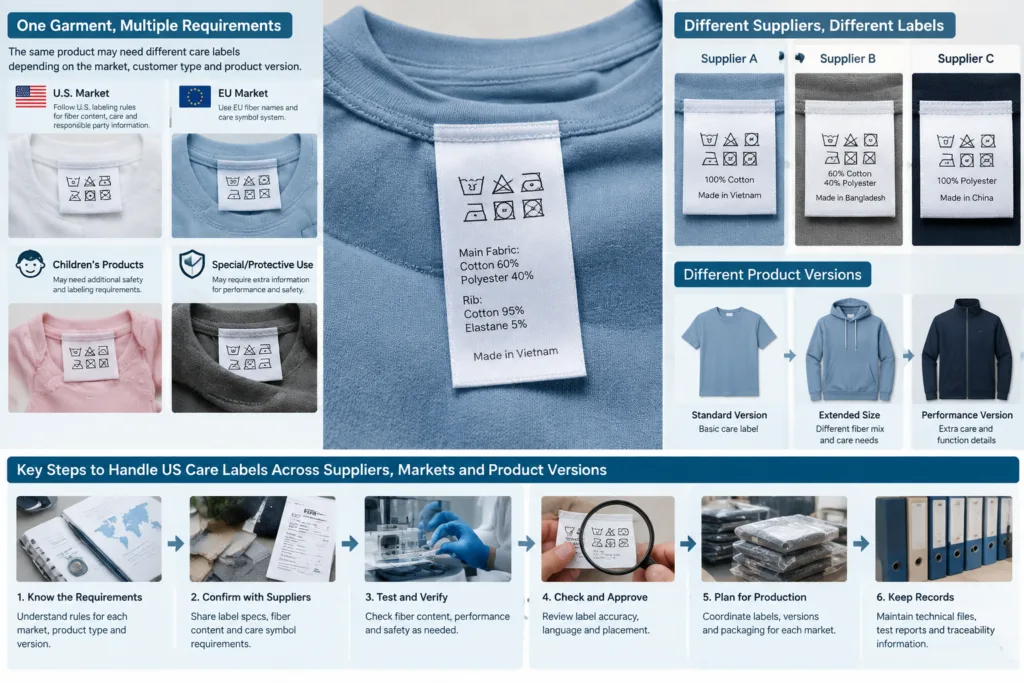
Learn how to keep US clothing care labels current when materials, suppliers, markets, product versions, or business responsibilities change.

Learn how to map, verify, update, and evaluate apparel subcontractor disclosures so production responsibility and traceability remain clear.
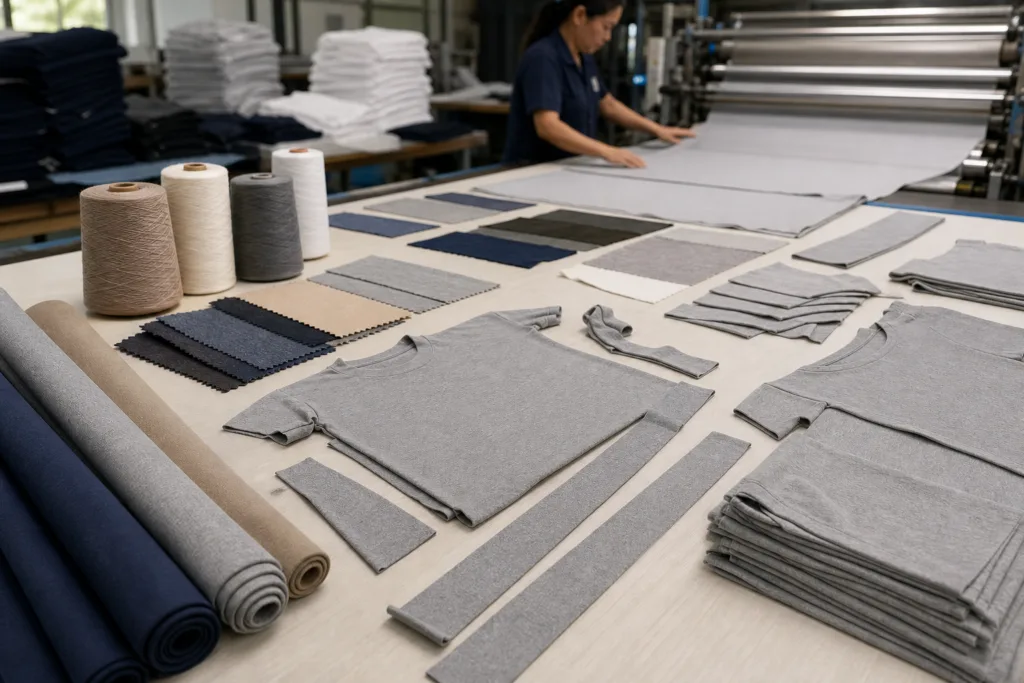
Learn which fabric, roll, and product variables affect relaxation before cutting, how factories verify readiness, and why relaxation cannot replace broader quality controls.
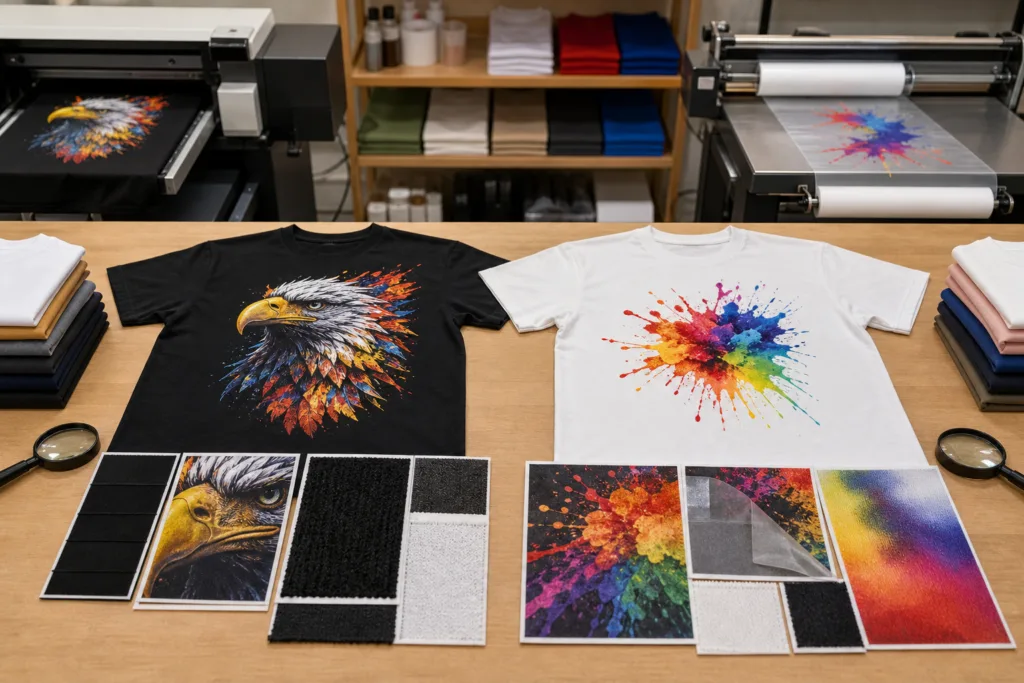
A practical DTG vs DTF comparison covering artwork, garment color, print coverage, hand feel, sampling, workflow, and project-specific method selection.
