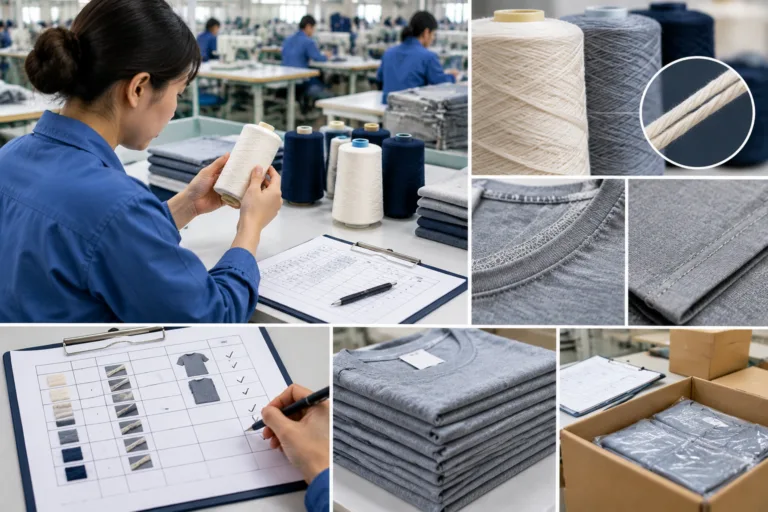
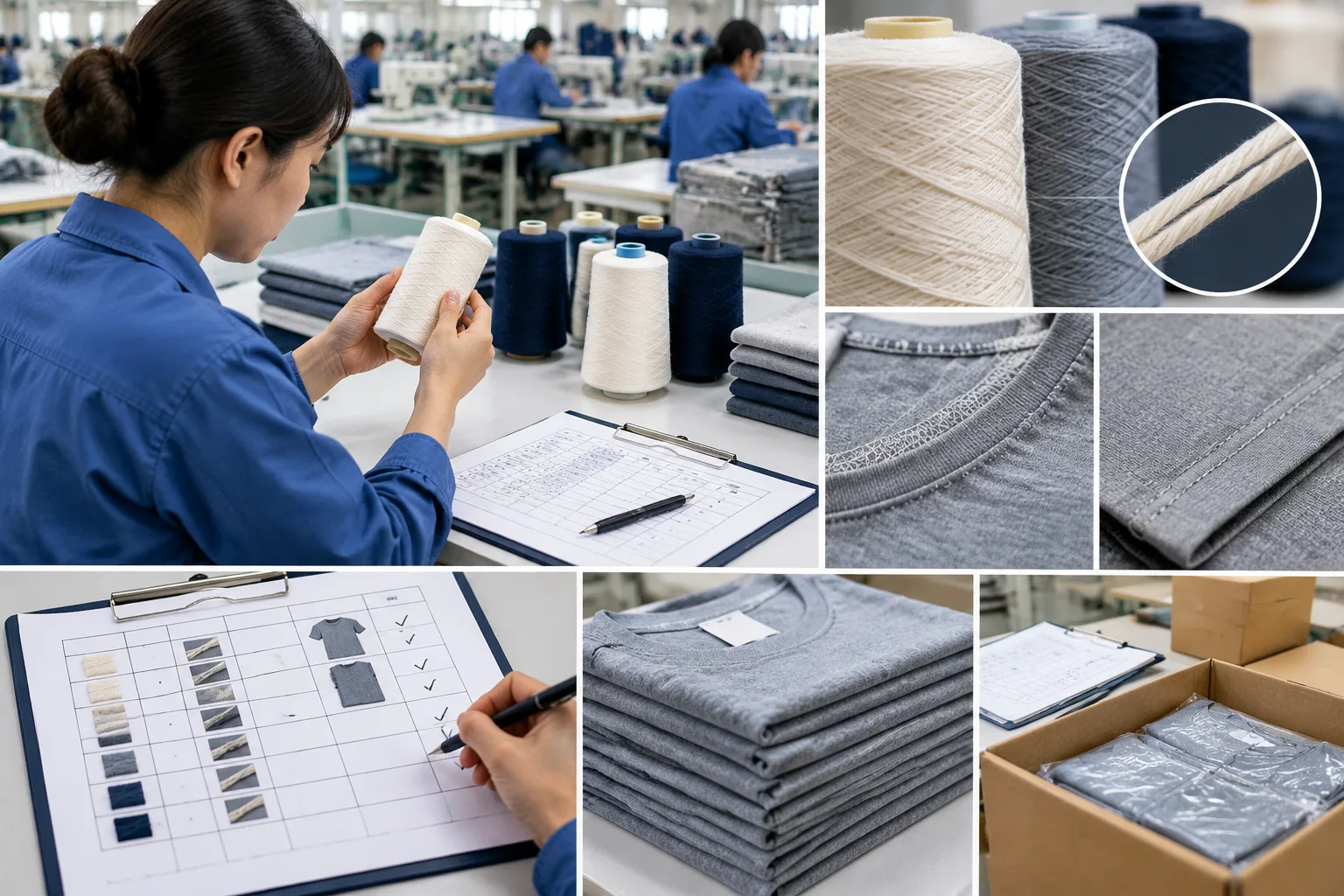
In garment production, ply numbering usually refers to the planned or actual number of fabric layers stacked in a cutting lay before the layers are cut. One ply is one layer of fabric. For example, a cutting instruction may specify a particular ply count for a lay, although the notation and recording method can vary by factory, product, material, and equipment. The number is an operational instruction or record, not a guarantee of cutting accuracy, garment quality, or production output.
Understanding this distinction helps brand teams, pattern makers, merchandisers, quality professionals, and students read cutting documents more accurately. Apparel Wiki is an independent educational publication; its Sponsor information does not change the editorial explanation of factory practice or imply manufacturing capacity.
What Does Ply Numbering Mean in Garment Production?
A fabric ply is a single layer of material in a spread, also called a lay. During spreading, layers are arranged on a cutting table so that a marker or pattern plan can be placed over them. Ply numbering identifies how many of those layers the cutting operation is intended to contain, or how many layers were actually prepared when the lay was completed.
In practical use, a ply number connects a cutting plan with a physical stack of fabric. A planned count may appear on a cutting order, lay instruction, marker-related record, ticket, or another factory document. The exact format is not universal. One factory may write the count as a simple number, while another may include it within a larger cut-order reference. The surrounding document and the factory’s glossary should determine how the notation is interpreted.
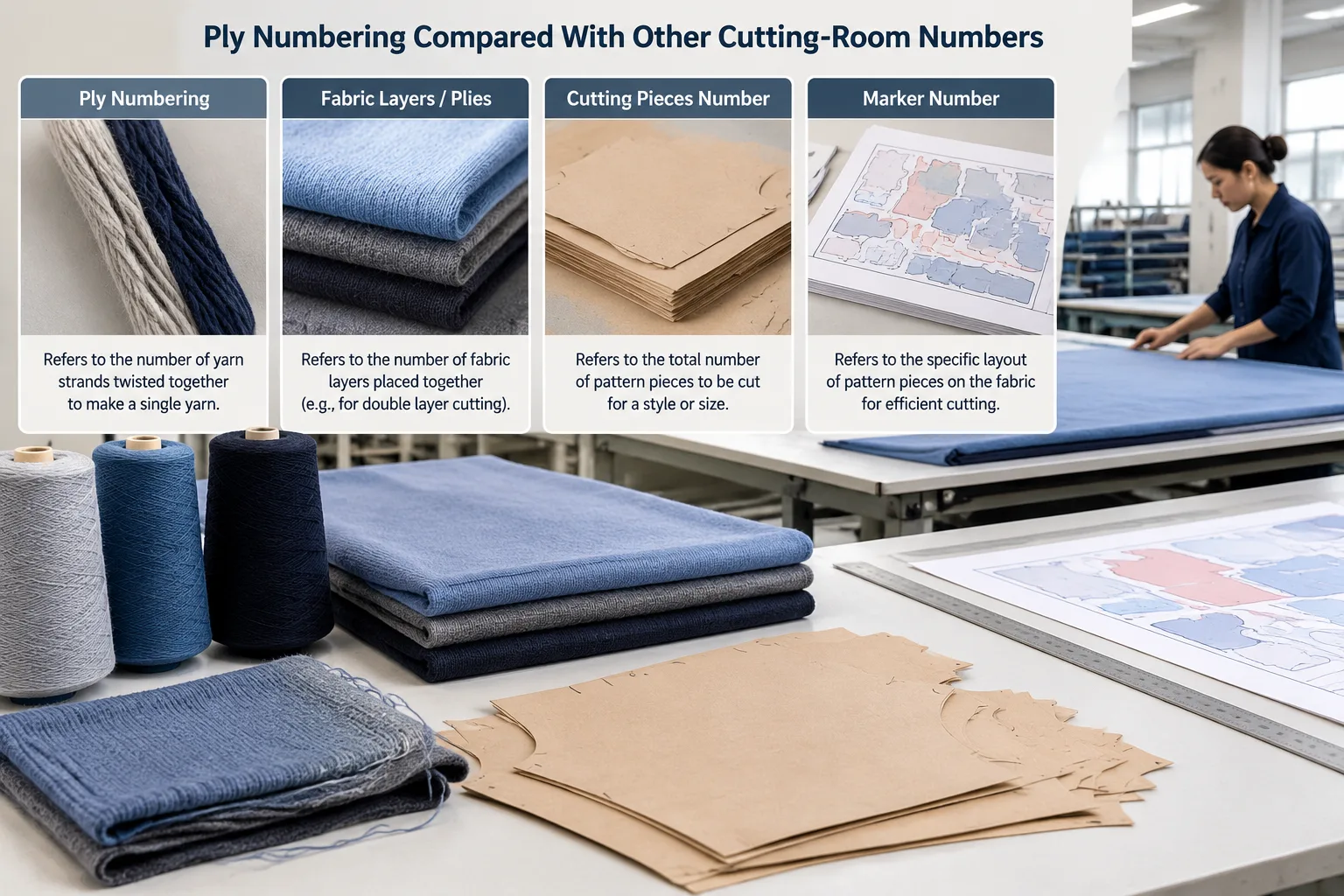
The word ply has other meanings in textiles and materials. Yarn ply can describe the combining of multiple yarn components into a larger yarn structure. A bonded or laminated product may also contain multiple material layers. Those uses should not be confused with fabric-layer ply numbering in apparel cutting. The document must first establish what unit the number counts.
A ply count also does not directly state the number of garments produced. A lay can contain several sizes, a range of pattern pieces, or a partial cut order. One garment may require many pieces, and a complete order may be divided across multiple lays. Ply numbering therefore describes one part of the cutting arrangement rather than total order quantity, fabric consumption, marker efficiency, or sewing-line output.
Where Ply Numbers Fit in the Cutting-Room Workflow
Ply planning sits within a broader chain of material and information flow. A useful model is material preparation, fabric inspection, spreading, marker placement, cutting, numbering or bundling, sewing, and inspection. This is a practical sequence for understanding dependencies, not a mandatory route for every product. Garment type, fabric behavior, equipment, factory layout, and internal procedures can change the order or combine some activities.
Before spreading begins, the cutting team may need to identify the style, material, color or shade group, marker reference, size requirements, and cut quantity. Fabric width, relevant shrinkage information, surface direction, and visible defects can also affect how the cutting plan is prepared. These controls matter because a ply number is meaningful only in relation to the particular material and marker it supports.
During spreading, the planned ply count should remain visible in the applicable cutting instruction or production record. The operator can then compare the intended lay with the lay actually prepared before cutting starts. The approved counting method belongs to the factory and should reflect its equipment and work instructions; the important principle is that the plan and the physical operation can be checked against each other.
After cutting, pieces are commonly organized into bundles or other identifiable groups before moving toward sewing. The identification may need to preserve information such as style, size, color or shade group, and cut-order reference. Documentation practices differ, but the information should travel with the work well enough for downstream teams to distinguish bundles and reconcile quantities. If the ply number exists only in an isolated planning file, it is less useful for controlling the actual cut operation.
How a Factory Decides the Required Ply Count
There is no single ply count that suits every fabric or cutting operation. A factory generally considers the material’s weight, thickness, stretch, slipperiness, surface sensitivity, pile or nap, and the complexity of the pattern arrangement. The cutting equipment and its approved operating method also matter. These factors influence whether a particular stack can be spread, held, aligned, and cut consistently.
Material preparation can change the practical cutting plan before the ply number is finalized. Fabric width may affect the marker arrangement, while shrinkage information may affect how the material is evaluated and handled. Shade differences, defects, short rolls, or changes between fabric lots may require separate groups or divided lays. These are project-dependent decisions that should be confirmed using the factory’s records, material checks, and cutting instructions.
Order quantity and size breakdown also influence how the work is divided. Available table space, marker planning, color separation, and the need to keep certain material groups together can make one large lay unsuitable or unnecessary. The factory may therefore divide a cut order into several lays rather than treating the full order as one stack.
In broad terms, fewer higher-ply lays may reduce repeated setup and handling, while more lower-ply lays may be easier to control for difficult, delicate, stretchy, slippery, or surface-sensitive materials. This is a trade-off, not a universal productivity rule. The workable count must be confirmed through the factory’s approved method, equipment instructions, and, where appropriate, a material trial. A machine’s stated capability should not be treated as a blanket recommendation for every fabric.
What Can Go Wrong When the Ply Number Is Wrong?
If the lay contains fewer layers than planned, the cutting operation may not fulfill the intended cut quantity. The factory may need additional handling, another lay, or a revised cut-order step. The effect depends on the order structure and how quantities are recorded, but a short lay can create a reconciliation problem if the difference is not identified promptly.
If the lay contains more layers than the material or equipment can control properly, the operator may face greater difficulty maintaining alignment, managing fabric movement, or achieving the expected cut quality. The risk is conditional: it depends on the fabric, cutting method, equipment, operator practice, and controls. A higher number is not automatically better, faster, or more efficient.
A mismatch between the recorded and actual ply count can also affect bundle identification and quantity tracking. Size or color groups may be associated with the wrong cut quantity, or downstream teams may receive incomplete information about what was cut. These problems are separate from issues such as marker efficiency, fabric defects, shade variation, shrinkage, spreading tension, or inaccurate pattern alignment, although they can occur in the same cutting process.
For that reason, final inspection should not be treated as a substitute for process checks in the cutting room. Inspection may identify a problem in cut components or sewn garments, but it cannot automatically restore missing quantity, correct an incorrect bundle identity, or remove every consequence of an earlier spreading or cutting error. Comparing the planned ply number with the completed lay before cutting provides an earlier opportunity to detect a mismatch.
How to Check and Record Ply Numbers in Practice
Checking a ply number is a traceability task as much as a counting task. Before spreading begins, the cutting team should be able to connect the instruction with the correct style, order or cut-order reference, material, color or shade group, marker, size range, and planned quantity. The exact fields depend on the factory’s documentation system, but the purpose is consistent: make clear what is being cut and which planned layer count applies.
Material preparation should also be reviewed before the lay is finalized. Relevant information may include fabric width, shrinkage results or guidance, surface direction, pile or nap, and visible defects. These conditions can affect how the marker is placed or how the cutting plan is divided. A ply number should not be treated as an isolated instruction that overrides material controls.
Once the lay is complete, the actual number of fabric layers should be checked using the factory’s approved counting method and the equipment instructions. The result should be compared with the planned count before cutting starts. This is a practical process check, not a universal standard operating procedure. Counting methods, sign-off points, and records vary between factories and may also vary by product or equipment.
- Confirm the style, order reference, material identity, shade group, marker reference, sizes, and planned quantity.
- Check that width, surface direction, relevant shrinkage information, and visible defects have been considered.
- Verify the completed lay against the planned ply count before the cutting machine starts.
- Record exceptions such as short rolls, splice points, shade changes, damaged fabric, split lays, or revised marker quantities.
- After cutting, reconcile bundles and quantities with the cut plan before the work moves downstream.
If the planned and actual counts differ, the difference should be documented according to the factory’s own procedure. The record may need to identify the affected material, marker, size or color group, revised quantity, and disposition. Apparel Wiki presents this as an educational verification framework; the factory’s approved method remains the basis for technical approval and production control.
Ply Numbering Compared With Other Cutting-Room Numbers
Cutting instructions often contain several numbers that describe different parts of the same operation. Confusing them can lead to incorrect assumptions about quantity, fabric use, or production output. A ply number describes fabric layers in the lay. It does not, by itself, state how long or wide the lay is, how many garments are ordered, or how many pieces a sewing line will receive.
| Term | What it describes | Where it is used | What to verify |
|---|---|---|---|
| Ply number | The planned or actual number of fabric layers | Spreading and cutting instructions | Whether the number is planned, actual, revised, and suitable for the material and equipment |
| Lay length | The length of the spread along the cutting table | Marker placement and spreading plans | Which marker and fabric roll or section the length refers to |
| Lay width | The usable width across the spread | Fabric preparation and marker planning | Whether it matches the usable fabric width and marker requirement |
| Marker quantity | The quantity or size arrangement represented by a marker | Marker planning and cut orders | Which sizes, ratios, or pieces the marker contains |
| Cut-order quantity | The quantity assigned to a particular cutting order | Production planning and cutting records | Whether it is separated by style, size, color, shade, or material group |
| Bundle quantity | The pieces grouped for identification and movement | Bundling and sewing preparation | How bundles are labeled, counted, and reconciled |
| Garment-piece count | The number of cut pattern pieces, rather than complete garments | Cutting reconciliation and component control | Whether the count refers to one size, one garment, or a larger cut group |
These terms can be connected in a cutting plan, but they cannot be substituted for one another. For example, a higher ply count does not automatically mean a larger cut-order quantity, because the order may be divided by shade, size, material roll, marker, or other production considerations. Abbreviations and notation also vary, so the surrounding instruction and the factory glossary should be checked whenever a document is unclear.
A Practical Decision Framework for Reviewing a Ply Instruction
When reviewing a tech pack, cutting order, factory query, or production record, begin by asking what the number actually counts. In this article’s context, it normally refers to fabric layers in a cutting lay. However, “ply” can also describe yarn components or layers in a bonded material. The document’s wording, material description, and factory terminology should establish which meaning applies.
Next, confirm the operating context: material identity, fabric direction, usable width, marker reference, size and color grouping, and whether the number is planned, actual, or revised. Then ask why the selected count is workable for the fabric and cutting equipment. Thick, stretchy, slippery, napped, delicate, or shade-sensitive materials may require a different approach from a stable, easy-to-control fabric. That decision belongs to the responsible factory team and should be supported by its approved method or trial where needed.
Finally, check how the resulting cut work will be identified and reconciled. A useful review asks how bundles will be labeled, how split lays or exceptions will be recorded, and what happens when the actual count does not match the plan. Brand teams, merchandisers, sourcing staff, quality professionals, pattern makers, and students can ask these questions without attempting to approve a factory method remotely.
The practical next step is to request the factory’s definition of the ply field, review the approved cutting instruction, confirm any material-specific trial or validation required by that factory, and retain the relevant records. This keeps ply numbering connected to both physical material flow and the information needed to interpret the cut accurately.
Is a ply in garment production the same as a ply in yarn?
No. In garment cutting, a ply usually means one layer of fabric in a spread. In yarn terminology, ply can describe how yarn components are combined. The document and material context should be checked before interpreting the number.
Does a higher ply number always mean faster or better cutting?
No. A higher count may reduce repeated setup work in some situations, but it can be harder to control for certain fabrics or equipment. Cutting quality and speed depend on the complete process, not the ply number alone.
What factors limit the number of fabric layers in a lay?
Material thickness, stretch, slipperiness, surface sensitivity, pile or nap, fabric behavior, pattern complexity, cutting equipment, table space, and the factory’s approved method can all influence the workable count.
How can a buyer or quality professional verify the actual ply count?
Compare the cutting instruction with the completed lay using the factory’s approved counting method. Confirm the material and marker identity, review any exception record, and reconcile the resulting bundles or quantities with the cut plan.
Is ply numbering the same as the number of garments that can be cut?
No. Ply numbering counts fabric layers. The number of complete garments depends on the marker, pattern pieces, sizes, color or shade grouping, cut-order plan, and other production factors.
What should be recorded when the planned and actual ply numbers do not match?
Follow the factory’s documentation procedure and identify the affected style or order, material, marker, size or color group, actual count, revised quantity, and reason for the difference. Unexplained discrepancies should be addressed before downstream processing.