
Introduction: The Role of the Designer in Sustainable Supply Chains
Sustainable design is no longer just a buzzword in today’s global supply chains. It’s a crucial mandate—one that starts with the designer. The choices designers make influence everything from materials and manufacturing methods to ethical sourcing and environmental footprint. In this article, we’ll explore how designers directly shape sustainable supply chains, why their decisions have a ripple effect, and what practical steps unlock better outcomes for both planet and people.
Understanding Sustainable Design in Supply Chain Management

Sustainable design within supply chain management means integrating eco-friendly thinking into each stage of the product journey. Designers are uniquely positioned to reduce harm by focusing on material selection, creativity, and the way products are assembled and shipped. Their influence goes far beyond aesthetics—it extends deep into the sourcing, making, and end-of-life of the product.
Why Designers Hold the Keys to Supply Chain Sustainability
Designers set the blueprint, often making foundational choices before any physical product exists. This includes picking materials, specifying manufacturing methods, and guiding suppliers towards lower-impact options. Early decisions made by designers largely determine whether a product can be responsibly produced and later recycled, reused, or safely disposed of.
Integrating Eco-Friendly Materials
Material selection is one of the primary areas where designers can influence sustainability. Options like organic cotton, recycled polyester, and single-fiber textiles open the door to less harmful products. In fact, thoughtful sourcing and specification of such materials help brands earn eco-design certifications and reduce production waste—a topic examined further in our comprehensive guide to eco-design certification.
Ethical Sourcing Practices in Design Decisions
Beyond material properties, ethics play a central role. Designers have the responsibility to ask where, how, and by whom materials are sourced. This introduces questions about labor conditions, fair wages, and environmental stewardship. Designers steering clear of conflict minerals or demanding traceable supply chains help shape a more just industry.
Innovative Manufacturing Processes for Sustainability
Modern designers must also collaborate with manufacturers to reduce energy use, water consumption, and emissions. Techniques like zero-waste pattern cutting, digital sampling instead of physical prototypes, and energy-efficient machinery all make a significant difference. Apparel Wiki’s zero waste pattern cutting guide details how new methods can help both the bottom line and the environment.
Design Strategies That Minimize Environmental Impact
A product’s end-of-life potential—can it be recycled, repaired, or biodegraded?—should be built in from the start. Designers might specify mono-material construction for easier recycling or modular parts for repair. This mindset, called “design for disassembly,” reduces landfill waste and is explored in our resource about circular fashion.
The Social Responsibility of Designers
Sustainability also means considering the human side of the supply chain. Designers must think about the welfare of workers at every stage, from fiber cultivation to factory assembly. Partnerships with ethical suppliers and transparency measures (like public sourcing lists) show end consumers that brands value more than profit—an expectation that’s only growing in today’s market.
Case Study: Mono-Material Design and Recycling
A sportswear brand recently switched to mono-material polyester for both jerseys and labels. The simplicity allowed for easier recycling and simplified the sorting process at factories. This strategic move, inspired by principles similar to those in mono-material design, saved resource costs and strengthened the brand’s sustainability claims.
Case Study: Minimalist Construction to Reduce Waste
Another successful case is a casual apparel label that embraced minimalist garment construction. By reducing unnecessary seams and trims, production waste dropped sharply. This approach, explained further in our feature on minimalist construction, also raised margins and slashed input costs—a true win for both profit and planet.
Collaboration Among Designers, Suppliers, and Manufacturers
True transformation seldom comes from one department alone. The best sustainable supply chain efforts are built on partnerships—designers working closely with suppliers, technical teams, and production managers. Collaboration helps uncover smarter material choices, fine-tunes production techniques, and ensures every new idea is practical and scalable.
How Digital Tools Expand Sustainable Design Power
Advancements like 3D design, digital prototyping, and online fabric libraries make it easier than ever for designers to test, tweak, and improve their sustainable design ideas. By reducing physical samples, brands cut down material waste and lower their carbon footprint. These digital tools are transforming modern product development in the apparel industry.
Common Pitfalls: Where Sustainable Design Goes Wrong
Even well-intentioned designers can stumble. For example, mixing fabric types can make recycling impossible, and over-engineering a “sustainable” product sometimes increases costs while reducing true impact. At Apparel Wiki, we often see that simple, clear design rules work best for most supply chains: standardize where possible, simplify components, and always clarify end-of-life options.
Designer-Led Decisions That Lower Production Waste
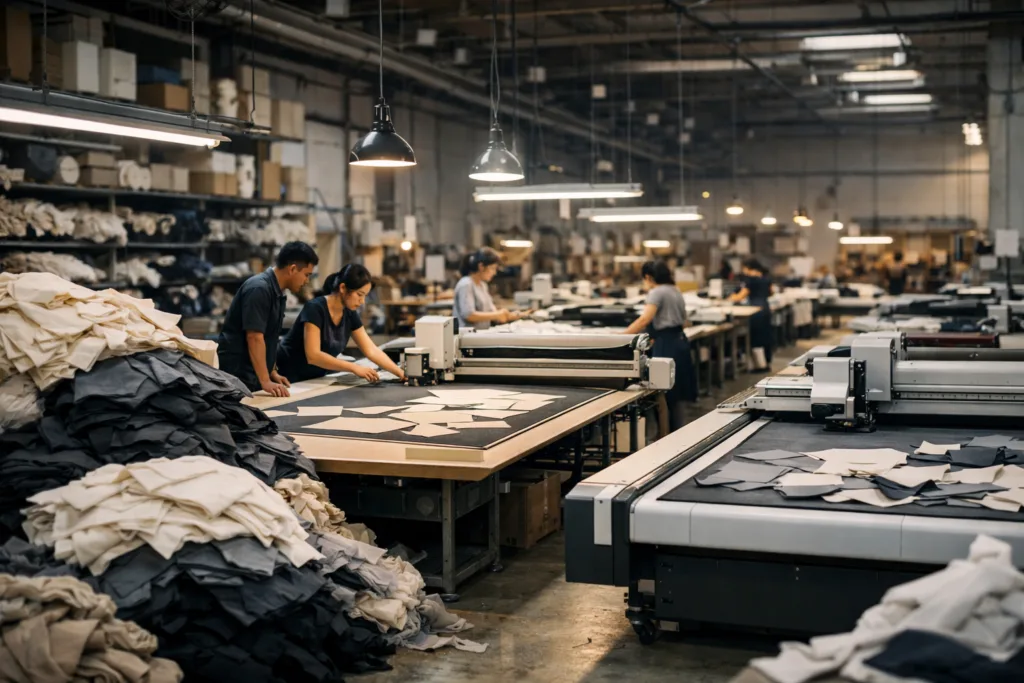
A designer’s early-stage choices have a major effect on how much scrap is produced. Tweaks to pattern layout, material width, and planned re-use of offcuts can all lower production waste. Our deep dive on designing out waste at the design stage goes further into this practical subject.
Design for Durability and Longer Product Life
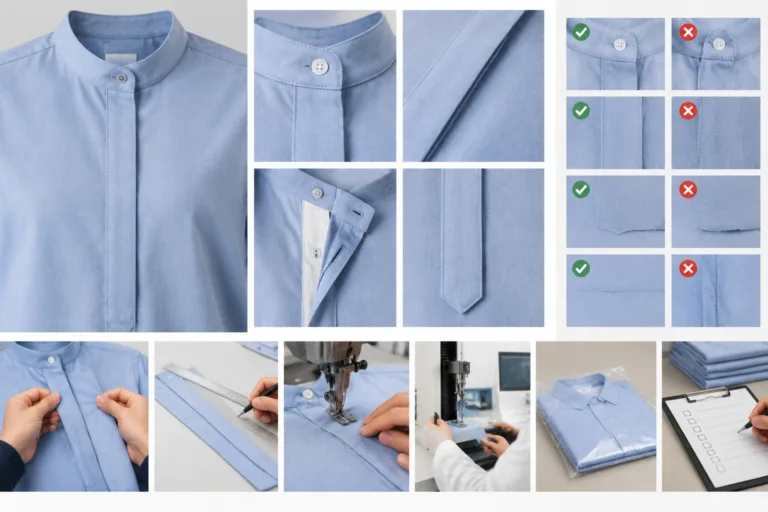
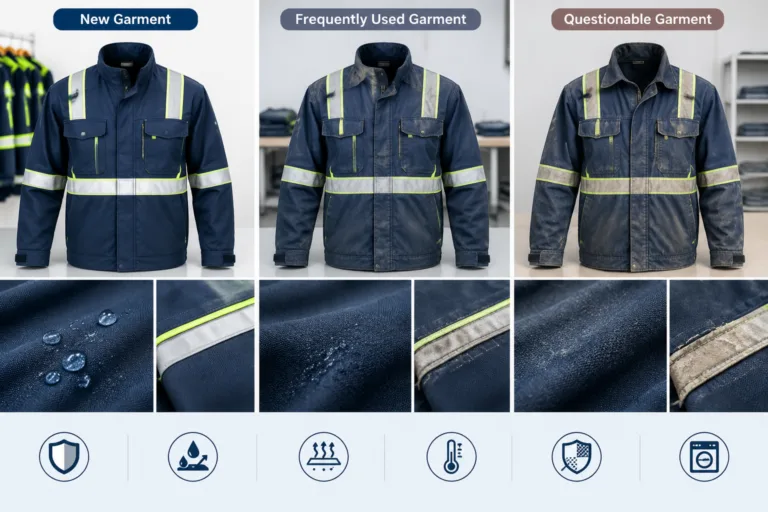
Sustainability isn’t just about less waste—it’s also about longer lifespans. Durable construction, robust seams, and high-quality fabrics mean clothing stays in use for years, not months. Get inspired by our practical list of ways to boost garment longevity and sustainability.
Transparency and Traceability in Supply Chains
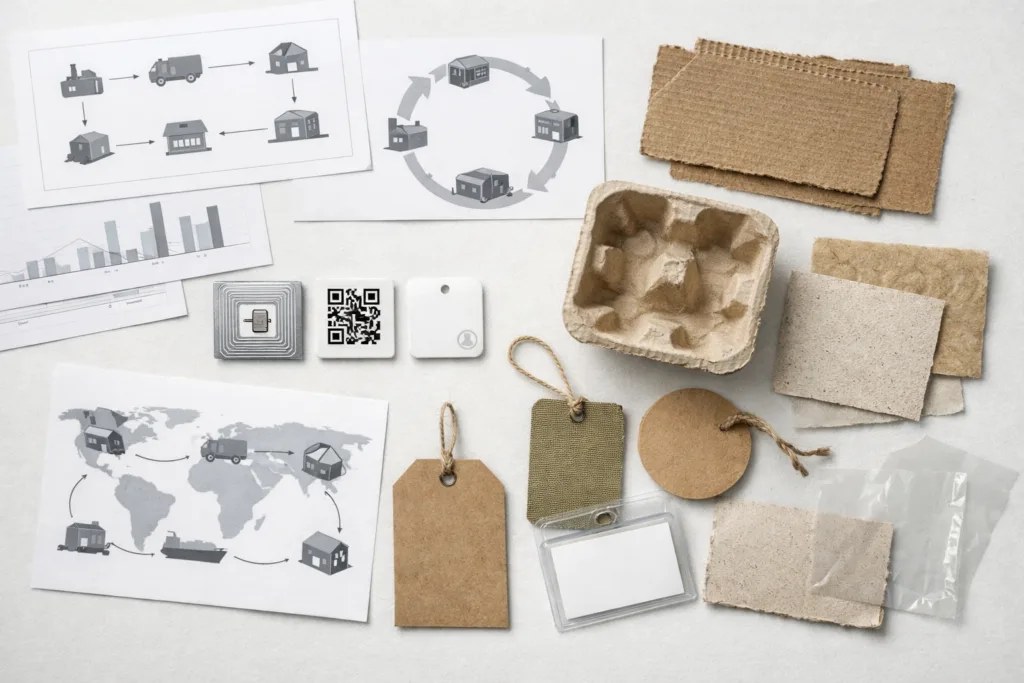
Consumers and regulators now demand proof that brands are meeting environmental and social standards. Designers increasingly play a role in ensuring that every component is traceable—sometimes using technologies like RFID tags or QR codes to track the journey from source to shelf, thereby supporting greater transparency and trust.
The Business Case for Sustainable Design Leadership
Sustainable products aren’t just responsible—they can be market leaders. Consumers reward companies that align with their values. By embracing sustainable design, businesses enhance brand credibility and often find new efficiencies, prepping them for future regulations and staying ahead of competitors.
Embedding Sustainability into Specification Documents
The specification stage is where designer intent becomes factory action. Clear callouts for recycled content, safe chemicals, and ethical sourcing in tech packs and bill of materials documents set the correct expectations for every partner down the line.
Education and Up-Skilling for Designers
Continuous learning is essential. Designers should regularly update their knowledge of eco-materials, ethical certifications, and new technologies. Forums, online courses, and industry journals such as those found on Apparel Wiki are excellent ways to keep skills fresh and relevant.
The Role of Certifications and Eco-Labels
Certifications like Cradle to Cradle, Fair Trade, and GOTS offer helpful blueprints and accountability. Designers who understand these certifications can design toward their criteria, making certification easier and more meaningful for the end product.
Cross-Disciplinary Teams: Beyond the Design Studio
No designer works alone. Collaborating with engineers, sourcing specialists, quality controllers, and compliance officers ensures sustainability is embedded across the operation. Strong, interdisciplinary teams make for smoother implementation and better outcomes.
The Evolving Regulatory Landscape
Designers face increasing pressure from laws, including requirements on recycled content or proof of ethical labor practices. Proactive design for compliance not only avoids fines but can also empower brands to differentiate in a crowded market.
Demonstrating Sustainability Impact to Stakeholders
Numbers matter. Designers, with the help of sourcing and sustainability teams, must communicate measurable impacts—energy reductions, waste diverted, fair labor practices—to customers, retailers, and investors through transparent reporting.
Consumer Expectations and the Designer’s Role
Today’s shoppers are savvy and want more than just green claims—they want proof of thoughtful design. Designers help meet these expectations by developing products that clearly communicate their ecological and social benefits, using honest storytelling and transparent labeling.
The Future: Tech, Data, and Designer Impact
Looking ahead, digital solutions and data-driven systems will give designers new powers to predict, measure, and optimize supply chain decisions. The lines between digital design and physical outcome will continue to blur, making every designer a key agent in driving sustainable innovation.
Conclusion: Unlocking Sustainable Value Chain Success Through Design
Designers are at the front line of supply chain sustainability. Their choices on materials, processes, and partners have a direct, often massive, effect on environmental and social outcomes. By championing collaboration, up-skilling, and practical implementation of sustainable principles, designers empower brands to deliver innovative, responsibility-driven products—meeting the world’s growing demand for change. The opportunities are vast, and the impact is lasting. Every thoughtfully made decision resonates from concept to end consumer.
Frequently Asked Questions
What is the most important role of a designer in sustainable supply chains?
Designers set the foundation by making early decisions on materials and processes that can dramatically reduce negative environmental and social impact throughout the supply chain.
How can designers influence ethical sourcing in supply chains?
Designers can demand traceable, fair labor-sourced materials and work closely with suppliers and sourcing partners to ensure compliance with social and environmental standards.
What are practical ways designers lower production waste?
By optimizing pattern layouts, choosing mono-materials, and specifying efficient construction methods, designers can help factories minimize offcuts and maximize material use.
How does collaboration between designers and manufacturers improve sustainability?
Close partnership ensures technical feasibility of eco-friendly ideas, aligns material choices with factory capabilities, and makes innovative design solutions scalable within supply chains.
Why is transparency in design decisions important for supply chain sustainability?
Transparency allows for traceability, builds consumer trust, meets regulatory requirements, and facilitates communication of the brand’s real sustainability impact.
How can digital tools help designers create more sustainable products?
Digital prototyping, online material libraries, and 3D design can drastically reduce waste, speed up testing, and refine sustainable design choices before production begins.
Related Reading
- Why Certifications Matter Most for Eco-Design Success
- Master the Latest Zero Waste Cutting Techniques
- How Design for Disassembly Drives Circular Fashion
- 10 Critical Moves to Slash Design-Stage Waste Instantly
- Unlock Major Gains With Minimalist Construction Strategies
- 7 Practical Ways to Make Clothes That Last Longer