Dress code compliance research can inform clothing product decisions by clarifying what a particular setting requires and how the people expected to wear a garment experience it. The useful path runs from context and evidence to a specific design question, a documented choice, and later evaluation. Apparel Wiki provides independent garment-industry education; its Sponsor page describes the distinction between sponsorship and editorial control.
Here, compliance research means identifying relevant stated requirements and investigating wearer needs, not making a legal assessment. Requirements vary by institution, workplace, activity, and garment use, so consequential wording needs verification from the responsible authority or official policy. Wearer feedback can reveal trade-offs, but it does not by itself establish compliance or predict sales.
How Dress Code Compliance Research Informs Clothing Product Decisions
A product team can start by separating two questions: What does the applicable dress code state, and how does the garment work for the people expected to wear it? The first concerns a requirement and its source. The second concerns experience, such as coverage, movement, comfort, or care. Answers to one question should not be presented as answers to the other.
That distinction gives dress code compliance research a practical role in clothing product development. First define the setting and identify the source of any stated requirement. Then investigate wearer needs in that setting, decide which product choices merit consideration, and record the resulting design intent. Later evaluation can check whether the proposed garment addresses the need under the relevant conditions.
For example, a workwear inquiry might examine whether a garment provides the coverage expected in a defined setting while allowing the movements associated with its use. Feedback could prompt a design question about cut or construction. The appropriate choice could change if the setting, official requirement, tasks, or conditions of wear differ. This is an illustrative decision path, not evidence that a particular design meets a rule.
Keep the status of each statement clear: a sourced requirement is not a preference; a research finding reflects the people and methods involved; an editorial recommendation is guidance; and an example illustrates a possible decision. A preference can inform a product choice, but neither preference nor research alone confirms legal compliance or shows that people will buy the garment.
Define the Context Before Collecting Wearer Feedback
Useful dress code research questions begin with a bounded decision, not a broad request for opinions about dress codes. Name the garment, intended setting, wearer group, and product choice under consideration. A question about revising a sleeve for a particular work activity needs different feedback from a question about care instructions or product information.
Keep the stated requirement separate from people’s interpretation of it. Record the wording and source where available, then verify consequential requirements with the responsible authority or official policy. Interviews can reveal how a rule is understood or experienced, but recollection is not a substitute for checking the applicable text. Requirements vary by context; without verification, avoid presenting a specific rule as authoritative.
Ask about concrete situations and trade-offs rather than relying only on broad adjectives such as “comfortable” or “durable.” For a workwear design inquiry, questions might explore when movement feels restricted, which garment areas need adjustment, or what care conditions are realistic. Budget and maintenance can affect how people weigh options. Comfort, durability, and value also depend on use and setting; people who share an identity may still have different needs.
Make the recruitment boundaries visible. Describe who took part, when and how they were reached, and which perspectives may be missing. Current customers may offer useful accounts of an existing product, but their views do not necessarily represent people who stopped buying, chose another option, or have not purchased. A small or narrowly recruited group can help surface questions without establishing how common a view is across a wider population.
Use findings within those limits. If participants in a defined setting describe difficulty moving in a garment, that evidence can support investigating the relevant construction or fit choice for that group and use. It cannot establish that every wearer has the same experience. The research question, sample, and intended decision should stay connected so that feedback for clothing design is not mistaken for a general verdict on dress-code requirements or garments.
Interpret Research Without Confusing Preference With Behavior
Different evidence describes different parts of a choice. Self-reported preference captures what someone says they want. Observation records behavior in the conditions observed. Purchase data shows transactions, while wearing frequency concerns use after purchase. Return descriptions capture reasons people report when returning an item. These measures are not interchangeable, and none automatically explains every reason behind a choice.
Interviews can help clarify what a wearer means by “uncomfortable,” while observation may show when or how a movement constraint appears. Transaction and return data can show patterns in purchases or reported problems, but may leave the reasons unclear. Combining evidence can help frame a more precise product question. It does not make the evidence complete: each method has its own scope, and the people represented may differ.
Consider reported comfort concerns about a garment intended for a defined setting. The finding could prompt a design question about a specific area or movement, followed by a change to investigate. A suitable outcome might be whether wearers in that context report less of the identified restriction during relevant use. That response would not, by itself, show that the change would increase purchases or affect wearing frequency.
Match the next step to the claim. If the proposed change concerns product information, examine whether that information answers the question readers raised. If it concerns garment design, assess the relevant feature with people and conditions connected to the original need. A stated intention to buy can describe stated interest; it is not evidence of actual payment or future demand. Treat each finding as support for a bounded decision, not as a sales forecast.
When describing results, keep the sample and limitations beside the finding. Note who contributed and what was asked or observed, then state what the evidence supports and what remains unknown. Feedback may suggest a design, information, or service change to evaluate, but an association between a concern and a choice does not prove that changing the product will improve sales. Dress code compliance product decisions are stronger when evidence, proposed action, and intended outcome remain distinct.
Translate Relevant Findings Into Product Specifications
A research finding becomes useful to product development when it leads to a specific, checkable question. If wearers describe a movement constraint in a defined setting, the team might investigate whether garment construction or a particular dimension contributes to it. That finding does not establish a universal design requirement; it identifies a decision to document and evaluate for the intended use.
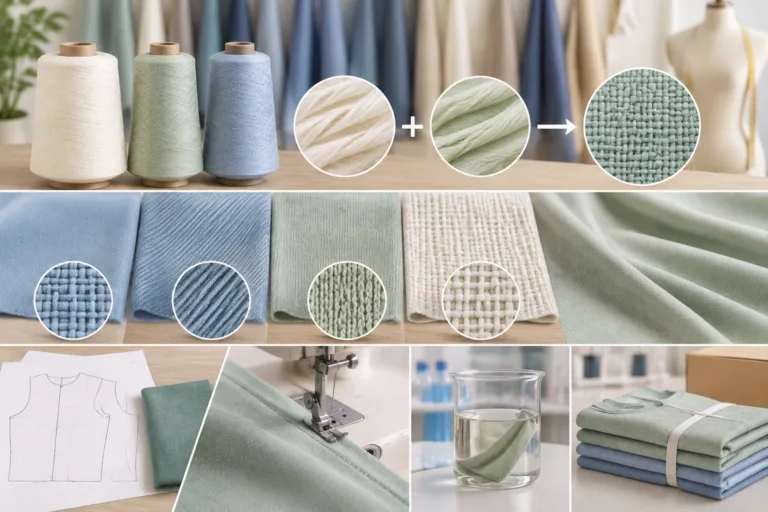
Apparel product specifications can translate the selected response into relevant measurements, materials, construction details, labeling, or packaging requirements. A technical pack can make design intent easier to check when its drawings and written instructions agree. Consistent measurement points, units, material identifiers, and revision details also help readers distinguish the current direction from earlier versions.
Documentation should match the product and the decision. A proposed material choice, for example, should identify the material clearly enough to distinguish it from an unapproved substitute. The appropriate choice may change with garment construction, care conditions, or a requirement verified for the intended setting. A preference alone does not establish that one material or construction method will meet every wearer’s needs.
Keep product inputs separate from their assigned costs. A bill of materials (BOM) lists what goes into a product and the relevant quantities; a cost record assigns values to those inputs. Where substitutions are permitted, document the limits clearly. These records communicate and help check decisions, but they do not prove that a garment satisfies every applicable requirement. There is no single technical-pack template or fixed level of detail suitable for every product.

Evaluate the Product Decision Against Its Original Question
Start by restating the decision: what change is being considered, for which wearers and setting, and what need prompted it? Then select an outcome that could show whether the change addresses that need. A product or fit assessment, a report about comfort during use, and evidence about purchasing answer different questions.
For example, if wearers describe restricted movement, the design team might examine the relevant garment area during movement connected to the intended use. The garment’s construction and the conditions of use could change what response makes sense. Feedback about movement may support further design investigation, but it does not establish an effect on purchases or repeated wear.
Match the evaluation method to the proposed change. If the change concerns product information, examine whether that information answers the question people raised. If it concerns a design feature, gather feedback or observations relevant to that feature and the original context. Transaction or return descriptions may add another perspective, but they do not automatically explain why someone made a choice.
When reporting findings, identify who contributed, how feedback was gathered, and the conditions represented. State what the result supports and what remains unknown. A finding from one wearer group or setting should not be generalized to people or uses it did not represent.
Revisit the decision if responses conflict, the requirement changes, or the intended use shifts. Treat a proposed change as something to evaluate, not as a proven solution. An association between a concern and a product choice does not show that changing the product will improve sales or establish compliance.
Use the Findings to Set the Next Research Step
Useful dress-code research connects a defined context to wearer evidence, then to a specific product choice that can be documented and evaluated. Keeping stated requirements distinct from preferences helps teams avoid treating personal experience as a legal assessment or a market forecast.
As an educational next step, compare the original research question with the relevant product specification. Mark which design choice follows from wearer feedback and which consequential requirement or claim still needs verification from an appropriate source. Then identify evidence that would address the original question in the intended context. Evaluate the change against that question without assuming a sales or compliance outcome. Apparel Wiki provides independent garment-industry education; this process is a way to clarify reasoning, not a compliance service.
Frequently Asked Questions
How can dress-code research inform a clothing design decision?
It can clarify which stated requirements apply in a particular setting and how intended wearers experience a garment. Teams can connect those findings to a defined design question, document the resulting choice, and evaluate whether it addresses the identified need.
What is the difference between a dress-code requirement and a wearer preference?
A requirement is a stated rule or policy relevant to a context and should be checked with an appropriate source. A wearer preference describes an individual’s experience or choice. Preferences can inform design, but they do not establish the content or scope of a requirement.
Can survey responses show whether people will buy a garment?
Survey responses can describe stated interest or intention, but they do not establish that respondents will pay for the garment or that future demand will follow. Purchase records address actual transactions, though they may not explain every reason behind a purchase.
How should a team describe the limits of wearer feedback?
State who contributed, when and how they were reached, what was asked or observed, and which relevant groups or conditions may be missing. Keep those boundaries beside the finding, and avoid presenting a limited sample as representative of a wider population.
What product details can be clarified in a technical pack?
Depending on the product, a technical pack can clarify measurements and measurement points, materials, construction, labeling, and packaging. Consistent drawings, units, identifiers, and revision details help reduce ambiguity; the document itself does not prove that requirements have been met.