
For a clothing startup, good design is not enough. If the garment does not fit well, hang properly, move comfortably, or stay consistent across sizes, the product will create problems even when the concept looks strong on paper. That is why pattern making clothing decisions matter so early in development. Pattern making and grading are not abstract technical steps for factories to handle later. They are part of how your design becomes a wearable product with measurable shape, balance, and size logic.
If you need a more visual overview of how patterns shape garment construction, that resource helps connect the early idea stage with the real garment parts that control fit, seam placement, silhouette, and assembly. For startup teams, this bridge is useful because many product issues start when sketches look clear but the pattern, measurements, and construction plan are still too vague for sampling.
Many startup founders first hear these terms when a sample comes back wrong. The chest feels tight, the shoulder drops too far back, the sleeve twists, the hem kicks up, or size grading from M to XL looks off. In many projects, the problem is not only the sewing quality. The root issue is that the pattern was weak, the base size was not developed carefully, or the grading rules were applied without enough fit logic. Let’s look at what these terms actually mean and how to manage them without wasting budget.
What pattern making means in clothing production
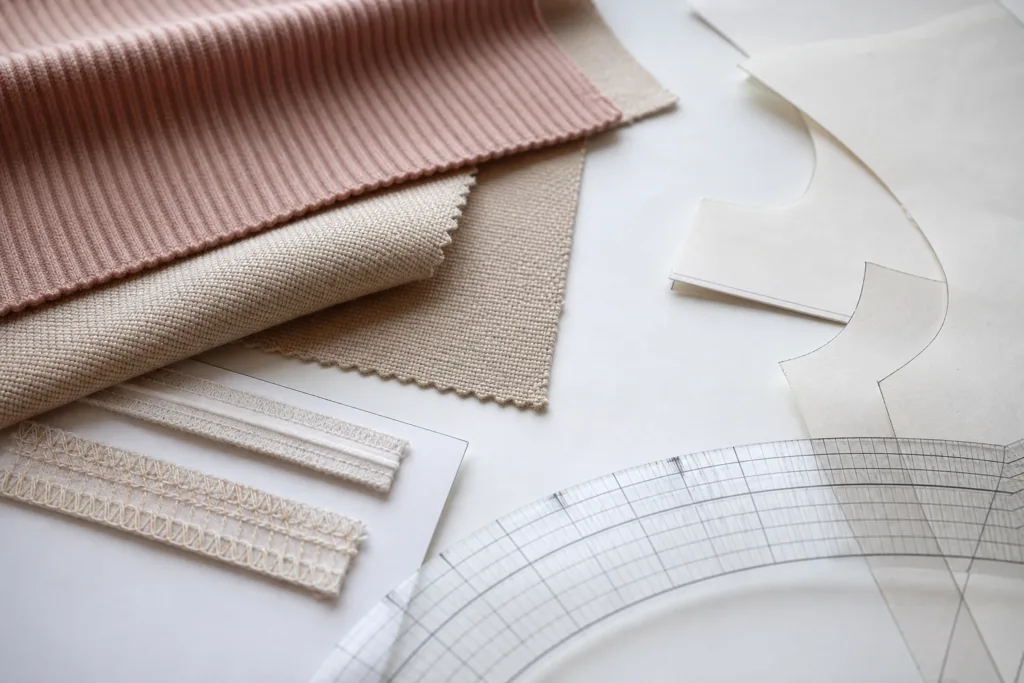
Pattern making is the process of translating a garment idea into shaped components that can be cut from fabric and sewn together. These components include front and back body pieces, sleeves, collars, waistbands, facings, pockets, and other construction parts depending on the style. Each piece carries technical information such as seam allowance, grainline, notches, drill points, fold lines, and shaping details.
From a garment construction perspective, a pattern is where the design starts becoming real. A sketch may show a wide-leg pant, cropped hoodie, or fitted blazer, but the pattern determines whether the armhole depth works, whether the rise feels balanced, whether the neckline sits correctly, and whether the garment can actually be sewn efficiently.
In apparel development, pattern making also includes planning ease, which is the space added beyond the body measurement so the garment can fit, move, and express the intended silhouette. A slim woven shirt, oversized fleece sweatshirt, and compression activewear top all use different ease logic even if they are made for the same body size.
Startups often underestimate this step because pattern files look simple compared with mood boards or branding work. But the pattern controls many performance outcomes: fit, comfort, drape, sewing sequence, marker efficiency, and repeatability in bulk production.
What a garment pattern is and how it differs from a sketch or tech pack

A design sketch shows appearance. A tech pack communicates product specifications. A garment pattern is the actual shape data used to cut the product.
| Development Item | Main Purpose | What It Usually Includes | What It Does Not Replace |
|---|---|---|---|
| Sketch | Visual concept | Silhouette, style lines, design idea | Pattern dimensions and construction precision |
| Tech pack | Product communication | measurements, bill of materials, construction notes, labels, artwork placement | Actual pattern shapes for cutting |
| Pattern | Production geometry | Piece shapes, seam allowances, grainlines, notches, shaping | Full specification and style explanation |
A tech pack and pattern support each other. The tech pack tells the factory what the product should be. The pattern gives the factory the shapes needed to make it. If one is strong and the other is weak, problems still happen.
For example, a tech pack may state a 58 cm body width in size M, but if the armhole shape is poorly drafted, the garment can still feel restrictive. Likewise, the sketch may show a dropped shoulder and roomy sleeve, but if the pattern is drafted too close to the body, the final sample will not match the design intent.
For readers who need a broader knowledge base across terminology, fit, construction, and development process, Apparel Wiki is useful because startup mistakes often come from mixing up these different documents and expecting one file to solve everything.
How a base pattern starts the process
Most styles do not begin from zero every time. They often start from a block or sloper, which is a basic fitted pattern template built for a target body and product category. A T-shirt block, trouser block, or dress block gives the pattern maker a controlled starting point. If you want to understand how to build a base pattern block, it helps explain why fit systems usually begin with a base size and then develop style from there.
This matters for startups because random pattern drafting from sketches can create inconsistent results across a collection. A base block improves continuity. If your brand wants a recognizable fit identity, such as a slightly boxy tee or a clean tapered jogger, working from a stable block is usually more efficient than reinventing every style.
What garment grading means and how size runs are created
Garment grading is the process of increasing or decreasing a base pattern to create a size range such as XS to XXL or 28 to 38. This is done by applying grading rules to specific points on the pattern. These rules control how width, length, rise, shoulder, sleeve, neck, and other dimensions change from one size to the next.
Grading is not just “make everything bigger.” Different areas may need different increments. Some measurements increase more through girth than length. Some categories need posture, proportion, or shape adjustments, not just scale. This is why a size run can fail even when the middle size fits well.
For startup teams, the key is that grading depends on a good base pattern. If the original pattern is off, grading reproduces the problem across every size. If the base shoulder pitch is wrong, all sizes inherit that issue. If the crotch shape is unstable, the whole size range may show drag lines or discomfort.
Size planning should also be tied to target customer data. Reliable fit systems are built from apparel sizing and body-measurement data, not from generic assumptions about what a small or large label should mean. That point sounds basic, but many startups choose size specs by copying a competitor label or a sample garment without knowing which customer body shape that product was built for.
How pattern making and grading affect fit, balance, silhouette, and comfort
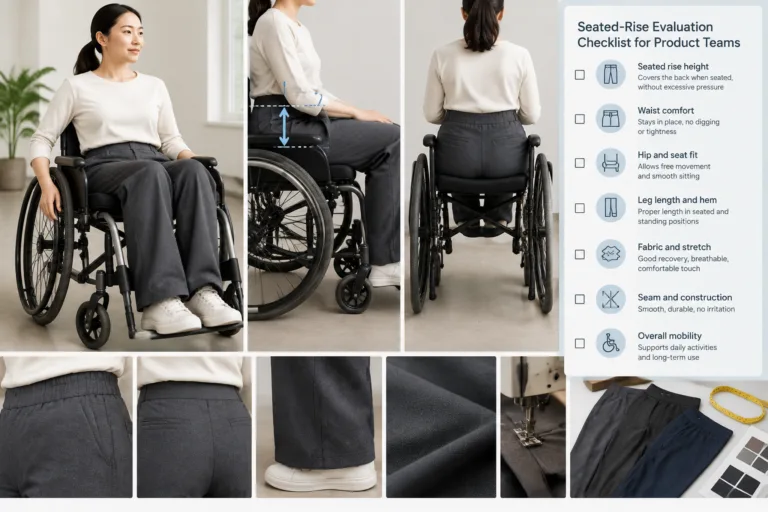
Fit is not only about circumference. A garment can have enough width and still feel wrong because the balance is off. Balance refers to how the garment hangs on the body from front to back and side to side. If the shoulder seam rotates backward, the front neck may choke. If the rise is too short, the waistband can pull down when sitting. If sleeve pitch does not match the arm position expected for the product, twisting and drag lines appear.
Pattern making controls these points before sewing quality is even judged. Grading then determines whether the same design logic stays stable as sizes change.
- Fit: how closely the garment corresponds to body dimensions and intended ease
- Balance: whether the garment hangs correctly without unwanted pulling or shifting
- Silhouette: the visual shape created by pattern proportions and ease distribution
- Comfort: how the garment allows movement, reach, sitting, and body motion
- Consistency: whether different sizes still feel like the same product, not different garments
In practical development work, these areas affect each other. If a startup narrows the armhole to create a cleaner body shape, sleeve mobility may drop. If extra chest ease is added without correcting shoulder length or armhole depth, the garment may look oversized but still bind during movement.
How fabric choice changes pattern development and grading behavior
Fabric selection can change the pattern outcome more than beginners expect. A woven poplin shirt and a jersey T-shirt cannot share the same pattern logic just because the style looks similar in a sketch. Woven fabrics generally need more movement allowance because they have less stretch. Knit fabrics may rely on stretch recovery, negative ease, or reduced seam shaping depending on the product category.
That is why fabric stretch and pattern choice have to be discussed before the sample stage, especially when a startup moves between jersey, rib, fleece, twill, denim, or nylon blends. Different structures can affect recovery, drape, torque, shrinkage, and how the garment behaves after washing. If the fabric changes after the first prototype, the pattern often needs revision too.
Fabric also affects grading. A forgiving stretch knit may tolerate slightly broader grade changes without obvious fit issues, while a structured woven bottom often shows grading problems faster in the waist, hip, thigh, and rise. One pattern cannot simply be reused across all fabric types unless the materials are very similar in stretch, weight, and behavior.
For startups building their first range, a common mistake is approving fit in one sample fabric and then switching to a denser or less elastic production fabric for cost reasons. That can change the final fit enough to create complaints even when the pattern file itself did not change.
Why startups often get fit wrong without proper pattern development
Many early-stage brands focus heavily on design image and not enough on technical decision order. They may finalize logos, colorways, and packaging before confirming body specs, base size, pattern balance, and fitting method. The result is a product that looks complete in planning but is unstable in development.
Common startup fit problems include:
- choosing measurements from an existing garment without knowing its grade logic
- using a freelancer or supplier with no clear target-customer profile
- approving a first sample based on appearance only
- skipping wear testing or fit comments
- changing fabric after fit approval
- assuming all sizes can be scaled from a medium without review
- treating men’s, women’s, youth, and unisex fit logic as interchangeable
In many projects, fit issues are not discovered until sales samples or early bulk because the team never created a disciplined review loop. Pattern development should include fit comments, revision control, and measurement confirmation. Without that, the same mistake keeps moving forward under a different file name.
When a clothing startup needs a professional pattern maker or grader
Not every startup needs a full in-house product development team, but most need professional pattern support sooner than they expect. If you are producing anything beyond a simple commodity blank with minor decoration, a specialist usually adds value.
You should strongly consider a professional pattern maker when:
- the style has fitted areas, tailored shaping, or multiple panels
- you are developing bottoms, dresses, jackets, uniforms, or performance products
- you need a repeatable branded fit rather than a one-off sample
- you plan to scale into multiple sizes and future colorways
- you are changing from woven to knit or vice versa
- you do not know whether your size chart matches your customer
And you should bring in grading support when you are moving from sample size approval into actual size range planning. This is especially important if your size run includes broader jumps, extended sizes, or category-specific fit demands. The article on why grading for plus sizes needs fit adjustments is relevant here because larger sizes often require shape and proportion decisions, not only wider measurements.
Key inputs a pattern maker needs
A pattern maker cannot work accurately from a vague request like “make it look premium” or “similar to this brand but better.” Good output depends on good inputs. At minimum, the pattern maker should receive:
- clear design sketch or reference images
- product category and intended use
- target customer and fit intention
- base size and size range
- body measurements or size chart
- fabric type, composition, stretch, and expected shrinkage
- construction details such as seam type, placket, cuff, collar, pocket, or lining
- trim constraints such as zipper length or elastic width
- wash or finish plan if relevant
If your team does not yet have a structured size chart, use a size chart guide for new apparel brands before sampling. This small step can prevent expensive confusion later, because fit comments are much more useful when they are compared against an intentional spec rather than a guessed one.
Common grading methods and where size consistency breaks
At a basic level, grading can be done manually or digitally, but the method matters less than the logic behind it. The important question is how the grade rules were created and whether they suit the product, customer, and fabric behavior.
| Grading Area | What Changes | Common Risk |
|---|---|---|
| Chest or bust | Width increase between sizes | armhole and shoulder not adjusted enough |
| Waist and hip | Girth distribution | garment widens but loses intended shape |
| Sleeve | Bicep width and length | twisting or tight mobility in larger sizes |
| Rise and inseam | Vertical proportions in bottoms | poor sitting comfort or crotch imbalance |
| Neck and collar | Opening and stand proportion | choking, gaping, or poor roll |
Consistency often breaks when startups try to force equal grade increments everywhere. Bodies do not grow in perfectly uniform ways across all dimensions. That is why a garment can look acceptable in M and awkward in XS or XXL. The issue may not be sewing. It may be a grade rule that looked mathematically simple but did not reflect real body proportion changes.
Typical mistakes startups make
Some mistakes appear small but create major cost later.
Guessing sizes from labels
A size label does not tell you the actual body dimensions the garment was built for. “Large” differs widely across markets, categories, and target customers.
Copying a competitor garment
A competitor sample can be a reference, but copying it without understanding pattern shape, fabric shrinkage, and grade rules usually causes hidden problems. Even if the sample measures well after purchase, you may not know how it behaves after wash or how its size range was built.
Skipping fittings
Founders sometimes approve a proto because it looks close enough on a hanger or mannequin. But real fitting reveals posture issues, reach restrictions, neckline imbalance, or hip tension that static review misses.
Using one pattern for many fabrics
This works only when fabrics are truly similar. Otherwise, ease, drape, and recovery change the result.
Changing style details after grading
If the neckline, pocket position, or waistband depth changes after grading, the grade may need revision too. Late design edits create hidden technical rework.
The cost structure of pattern making and grading
Pattern making cost varies by style complexity, category, number of revisions, urgency, and whether the work includes only the base pattern or also grading, fitting, technical comments, and production corrections.
Price usually goes up when:
- the garment has many panels, closures, or shaped components
- the style is tailored or fit-sensitive
- the startup has incomplete measurements or unclear design direction
- the fabric is difficult, unstable, or still undecided
- multiple fit rounds are needed
- the size range is large or includes extended sizing
Price may stay more manageable when:
- the brand has a clear base block and stable size chart
- construction details are already defined
- sample feedback is organized and specific
- the same pattern family is reused across related styles
For startups, the key is not only the fee quoted by the pattern maker. The bigger cost question is whether weak development causes extra sample rounds, delayed launch dates, and production inconsistency. Research on iterative fit correction during sample development supports what product teams already see in practice: pattern refinement is iterative, and every avoidable revision adds time, communication load, and expense.
A simple decision framework: DIY, freelance, or full development support
Founders often ask whether they can manage pattern making themselves. The answer depends on product complexity, technical skill, and business risk tolerance.
| Option | When It Can Work | Main Advantage | Main Risk |
|---|---|---|---|
| DIY | very simple products, founder has technical training, low initial volume | lower direct spend | fit errors and slow development |
| Freelance pattern maker | startup has clear concept and can manage communication | specialist input without full team overhead | quality varies, process control depends on founder |
| Full product development support | multiple styles, larger launch, fit-sensitive range | better process integration | higher upfront cost |
For a fashion student or founder entering production, DIY may feel cheaper, but the real question is where mistakes will show up later. If the product category is simple and the founder already understands measurement, ease, and construction, DIY can be reasonable for early prototypes. If not, freelance or full support usually reduces risk faster.
If your product starts from an existing block, you may also need to understand turning a block pattern into a new style, because many design changes that look minor in a sketch still require controlled adjustments to shaping, seam placement, and balance.
Checklist before sampling
- confirm target customer and use case
- define fit intention: slim, regular, relaxed, oversized, compression, tailored
- lock the base size
- prepare body measurements and garment specs
- confirm fabric type, GSM or weight, stretch, and finish plan
- define construction details and seam allowances
- state wash expectations and shrinkage tolerance
- decide what sample stage is being made: proto, fit sample, salesman sample, or pre-production sample
- document who approves fit and against what criteria
Checklist before bulk production
- approve final pattern version and revision date
- approve final graded size set or at least key sizes
- confirm measurement tolerance chart
- verify fabric matches the fit-approved sample
- check shrinkage and recovery behavior if washed product
- confirm construction details, trims, labels, and packaging
- review production sample against approved spec
- align factory, merchandiser, and QC team on critical fit points
How to reduce cost and risk in real startup projects
Risk reduction is mostly about timing and clarity. Confirm the important things before the factory starts moving. That means body data, size chart logic, fabric behavior, fit intention, and sample feedback method. A startup does not need perfect systems on day one, but it does need enough structure to stop repeated guessing.
A practical approach is to keep one controlled base size, document every revision, and separate visual comments from fit comments. “Looks too wide” is less useful than “increase shoulder drop by 1 cm but keep chest width unchanged.” The clearer the comment, the better the pattern correction.
It also helps to review a garment both on body and flat. Some issues show in wear, while others show in measurement comparison. If a startup relies only on model photos, it may miss spec drift. If it relies only on flat measurements, it may miss posture and movement problems.
Finally, do not treat pattern making and grading as back-office technical steps that can be rushed at the end. They are product decisions. They affect return risk, customer trust, and whether the factory can reproduce the style consistently.
Conclusion
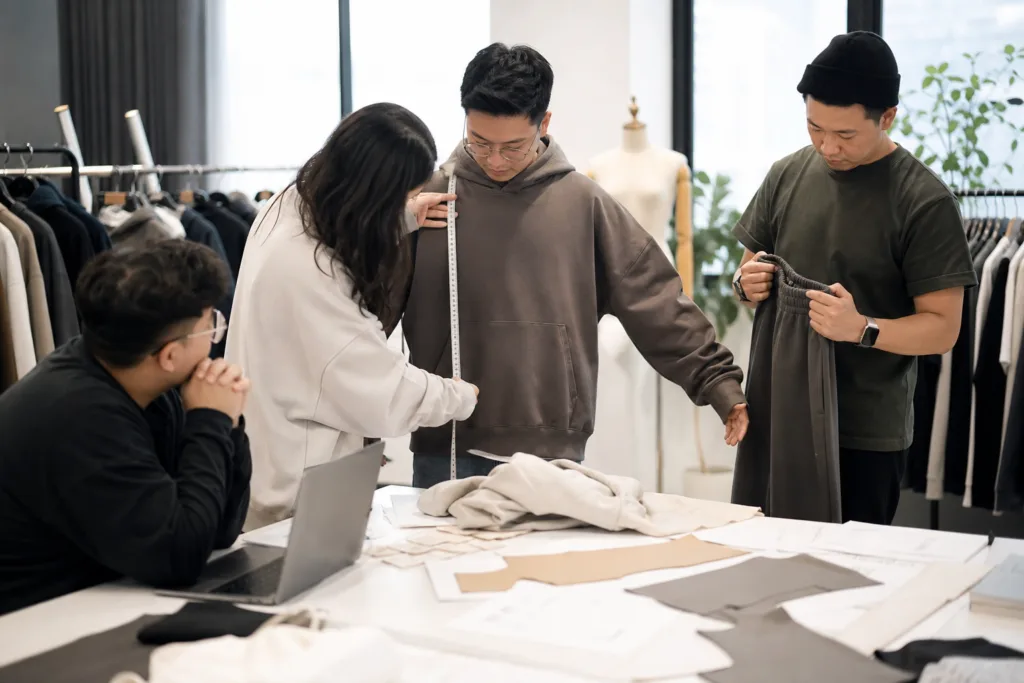
Pattern making clothing products well is really about turning a design idea into a repeatable fit system. Pattern making defines the garment shape, construction logic, and base fit. Grading extends that logic across sizes. When either step is weak, startups often see the result as poor comfort, inconsistent sizing, expensive sample revisions, or bulk production surprises.
For founders, the practical goal is not to master every technical detail immediately. It is to understand what must be confirmed early, when specialist help is needed, and how to avoid avoidable errors. If the pattern is stable, the size logic is intentional, and the fabric choice is aligned with the fit plan, the product has a much better chance of reaching production without unnecessary cost and risk.
FAQs
Do you need a pattern maker for every product?
Not always, but most original products benefit from one. If you are using a standard blank with only print or embroidery changes, a new pattern may not be needed. If you are changing silhouette, fit, proportions, or construction details, professional pattern support usually helps prevent fit problems and repeated sample corrections.
What is the difference between pattern making and grading?
Pattern making creates the base garment shape and construction pieces for one size, usually the base size. Grading takes that approved base pattern and develops the other sizes using planned measurement increments and proportion rules. In simple terms, pattern making creates the garment; grading creates the size run.
Can one pattern work for all fabrics?
No, not reliably. Similar fabrics may sometimes share a pattern with small adjustments, but different stretch, drape, shrinkage, and weight can change the fit enough to require pattern revision. A knit and a woven version of the same style usually need different ease and shaping logic.
Why does a sample fit in medium but fail in larger or smaller sizes?
This usually points to grading issues, not only sewing problems. The base size may be acceptable, but the grade rules may not reflect how body proportions change across the size range. That is why checking only one sample size can create risk before bulk production.
Is copying measurements from a competitor garment a safe shortcut?
It can be a reference point, but it is not a safe system by itself. You do not know the body profile, grade rules, shrinkage behavior, or construction choices behind that garment. For startup development, copied measurements should be validated against your own customer target, fabric choice, and fit intention.
When should a startup approve grading before production?
Grading should be reviewed after the base size pattern and fit are approved, not before. Ideally, key sizes in the range are checked before bulk so the team can confirm that the design still hangs, fits, and measures correctly beyond the sample size. This is especially important for bottoms, fitted garments, and extended size runs.