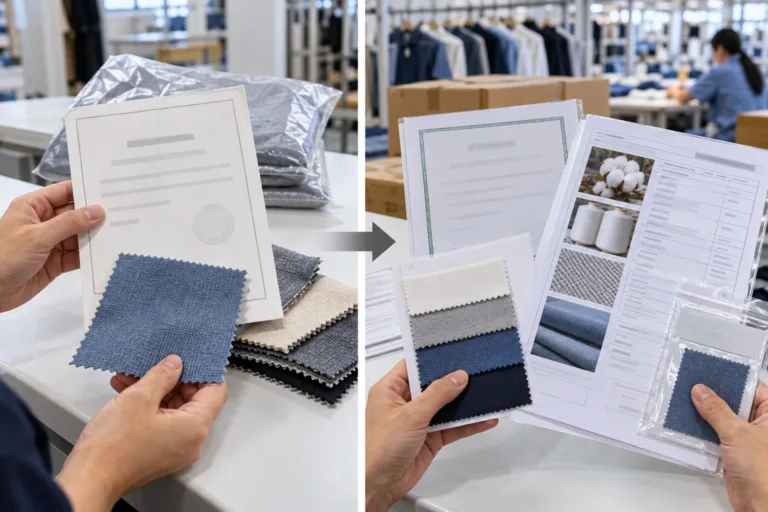
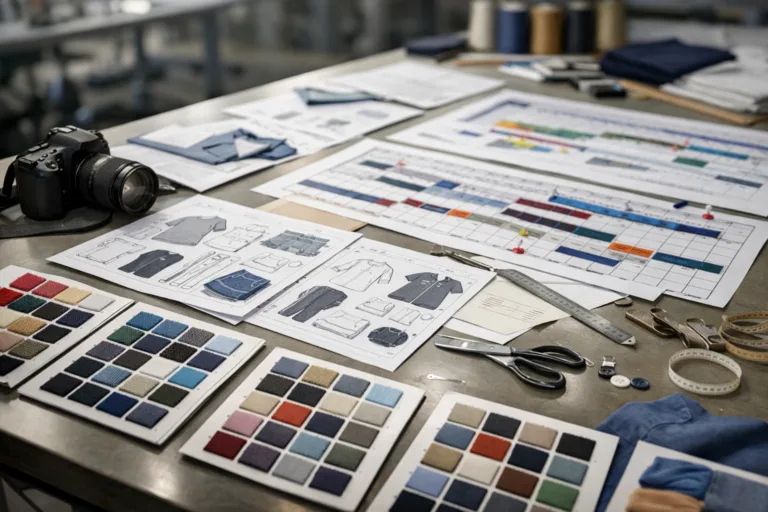
Introduction: Why Critical Path Matters in Apparel Production
In the dynamic world of apparel manufacturing, delays and missed deadlines can mean lost revenue and stressed teams. That’s where Creating a Critical Path for Apparel Production (CPA) steps in—a smart project timeline strategy that clarifies what must happen, when, and in what order. By mapping out each action, production teams can spot the most important steps and stay on track, no matter how complex the operation. This article unpacks how to create and use a Critical Path to streamline your supply chain, reduce lead times, and boost overall product quality.
What is a Critical Path in Apparel Production?
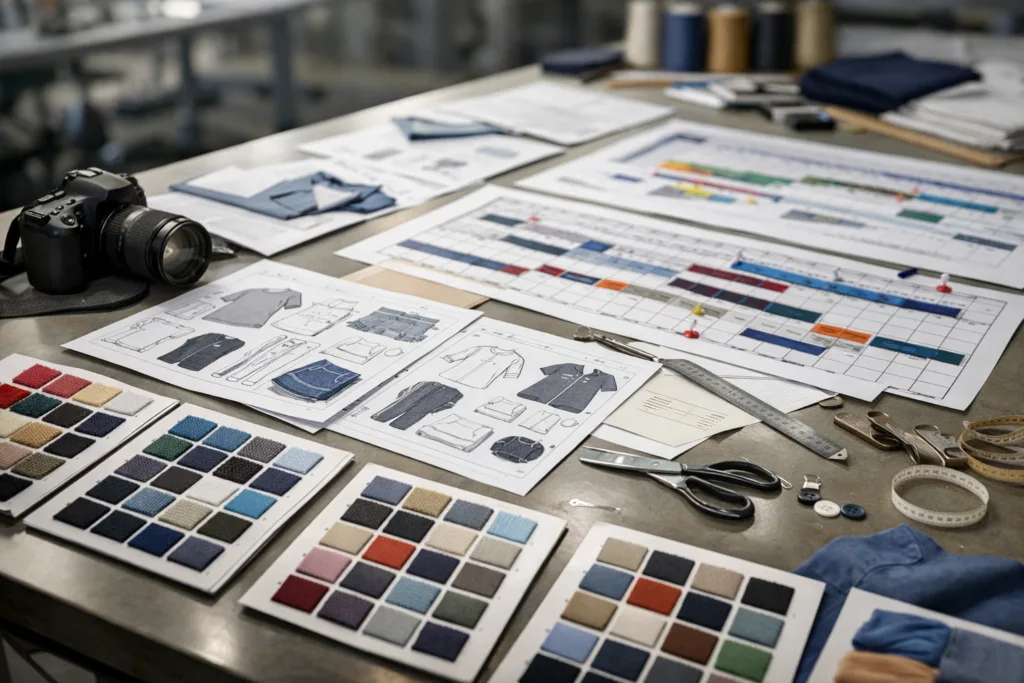
The Critical Path is the sequence of essential tasks that directly determine the shortest possible timeline to finish a collection or order. If any of these steps are delayed, your whole project will be late. Apparel companies use critical paths to track developments from design through delivery—ensuring nothing falls through the cracks.
Why Every Apparel Manufacturer Needs a CPA
No matter your company size, a CPA reveals where you’re likely to get stuck and helps prioritize work. It’s not only for large-scale brands—small brands can benefit by gaining transparency, hitting launch dates, and keeping costs under control.
The Benefits of Creating a Critical Path for Apparel Production
Implementing a CPA in your garment workflow isn’t just clever—it’s essential to efficiency. Here’s why:
- Minimized Delays: By revealing dependencies, you can quickly target and fix workflow blockers.
- Efficient Resource Allocation: See when and where your team and materials are needed most.
- Improved Lead Time: Avoid last-minute scrambles and confidently meet market deadlines.
- Better Communication: With a clear timeline, teams, suppliers, and partners stay on the same page.
- Consistent Product Quality: Rushed orders often lead to mistakes; a critical path gives time for checks at key stages.
Core Steps for Building a Critical Path in Apparel Production
A well-structured CPA isn’t complicated if you break it down:
- List Every Task: Print design, material sourcing, sampling, approval, bulk production, inspections, and logistics.
- Determine Task Order and Dependencies: Does lab dip approval need completed fabrics? List what must happen before each major step.
- Assign Time Estimates: Use industry benchmarks or your past data to set realistic durations for each activity.
- Find the Longest Chain: The sequence of dependent tasks that takes the most time is your “critical path.”
- Visualize with a Timeline Tool: Gantt charts or project management apps allow you to track progress day by day.
Identifying Critical Tasks: What Absolutely Cannot Be Late?
Some tasks in apparel production are more flexible than others. Ask yourself: If this activity is delayed, does everything else get delayed too? These are your critical tasks. Typical apparel examples include material approvals, pattern sign-offs, and bulk fabric delivery.
Estimating Timeframes: How Long Will Key Stages Take?
“Guess and hope” is not an option in quality apparel production. Use your historical data, ask suppliers for sample lead times, and build in a little buffer, but not so much that you lose urgency.
Industry Averages for Key Stages
| Task | Typical Lead Time (Days) |
|---|---|
| Material Sourcing | 10–21 |
| Lab Dip/Strike-Off Approval | 3–7 |
| Sample Development | 10–28 |
| PP Sample Approval | 5–10 |
| Bulk Fabric Delivery | 20–40 |
| Production Sewing | 15–30 |
| Final Inspection & QA | 3–7 |
| Logistics & Delivery | 7–21 |
Visualizing the Critical Path: Tools & Templates
Many apparel teams favor tools like Excel or project management apps—Gantt charts are especially effective for tracking dependencies and deadlines side by side. Specialized apparel manufacturing tools go one step further, integrating costing, packaging, and lead time management.
The Power of the Gantt Chart
Gantt charts let you map each task in a timeline format. As each stage progresses, you can “see” if you’re ahead or behind. Live updates keep supply chain teams proactive, not reactive.
Managing Dependencies in Apparel Production
Creating a Critical Path for Apparel Production is all about dependency management. For instance, you cannot start bulk cutting without fabric approvals, and you shouldn’t send a purchase order for trims before finalizing garment specs. Identifying critical dependencies means fewer last-minute surprises.
Common Apparel Production Dependencies
- Pattern approval before sample making
- Lab dip before dye house booking
- Trims and accessories sourcing after style confirmation
- Packing spec confirmation before carton order
How Delays Cascade: Why Non-Critical Tasks Are Still Vital
Not every task sits on the critical path. However, even “off-path” tasks—graphics, hang tags, shipping documents—can cause issues if ignored or misunderstood. Savvy planners ensure secondary tasks are scheduled and periodically reviewed. Avoid material shortages by maintaining an up-to-date Bill of Materials (BOM) and keeping an eye on all dependencies.
Case Study: CPA in Fast Fashion T-Shirt Launch
A fast-fashion brand aimed to launch a new T-shirt within 60 days. By using a Critical Path, they mapped out all activities:
- Critical Tasks: Design approval, fabric order, lab dip sign-off, bulk production, retail packing.
- Off-Path, Risky Steps: Hang tag arrival, carton printing, quality labels, all managed in parallel.
A clear CPA enabled the brand to spot overlaps, push parallel processes (like tags), and meet a tight deadline—even when a last-minute trim shipment was late. Without the critical path, launch would have slipped by two weeks.

CPA Example: Gantt Chart for Apparel Production
Below is a simplified example. Each “bar” marks the duration and sequence of a task. Darker bars are critical path steps; lighter bars show related but flexible tasks.
| Task | Start | End | Critical Path? |
|---|---|---|---|
| Design Approval | Day 1 | Day 3 | Yes |
| Fabric Order | Day 4 | Day 10 | Yes |
| Label Sourcing | Day 5 | Day 15 | No |
| Material Testing | Day 11 | Day 14 | Yes |
| Sample Making | Day 15 | Day 20 | Yes |
| Hang Tag Printing | Day 16 | Day 19 | No |
| Production | Day 21 | Day 40 | Yes |
| Final Inspection | Day 41 | Day 43 | Yes |
| Logistics | Day 44 | Day 50 | Yes |
Practical Tips: Streamlining Your Apparel Critical Path
- Update Regularly: Meet with your team to review status and address bottlenecks weekly or bi-weekly.
- Expect the Unexpected: Add buffers for high-risk steps like overseas shipping or seasonal bottlenecks.
- Communicate Clearly: Share the critical path with all key suppliers—getting buy-in is half the battle.
- Revise Based on Feedback: Track actual vs. planned dates and tweak your CPA for future accuracy.
Project Management Tools for Apparel Critical Path Success
Popular solutions for apparel teams include Excel (for smaller brands), and platforms like Asana, ClickUp, or specialized production planning tools for larger or more complex operations. These apps make it easy to adjust deadlines and shift timelines as real-world obstacles appear.
Integrating CPA with Bill of Materials (BOM) Management
Critical paths and BOMs are deeply linked. A single material shortage can stall the entire process. Apparel Wiki recommends synchronizing BOM status checks with critical path milestones to stop fabric, labels, or trims from becoming bottlenecks.
Aligning Critical Path with Sustainable Design Practices
Building sustainability into your CPA can save time and waste. For example, planning ahead for minimalist construction or waste reduction ensures these strategies are considered before production—reducing surprises and aligning with ethical goals.
CPA Pitfalls and How to Avoid Them
- Over-Optimism: Underestimating time can sink a launch. Double-check supplier timelines for honesty.
- Ignoring Off-Path Tasks: Overlooking secondary steps like labels or care tags can lead to shipment holds.
- Poor Communication: Always distribute and explain the CPA to all stakeholders, including material vendors and logistics partners.
How Apparel Wiki Defines a Reliable Critical Path
Apparel Wiki’s editorial team notes that the most reliable CPAs provide clear responsibility assignment, detailed task breakdowns (nothing hidden), and leave zero gaps for errors or confusion. Shortcuts or ambiguity undermine the CPA’s core strength—predictability and control.
CPA and Costing: The Timeline-Cost Link
Rush orders or missed deadlines can drastically inflate costs. Proper CPA execution supports costing accuracy by making overtime, urgent shipping, and factory penalty fees less likely. Get your target price strategy right by building holistic lead times into all quotes and samples.
Measuring Success: KPIs for Critical Path Management

- On-time Sample Submission Rate
- Bulk Production Timeliness
- Delay Frequency and Average Duration
- Unscheduled Overtime or Extra Cost
Continually track outcomes and adjust your CPA accordingly.
Common Questions About Creating a Critical Path for Apparel Production (CPA)
Let’s clarify a few practical and strategic points about CPAs for garment makers and brands:
How often should a CPA be updated?
At least at every project milestone—or whenever a significant delay or change occurs. Real-time updating keeps you accurate.
Do smaller brands really need a full CPA?
Yes! Even a small, simplified list helps avoid missteps, supports communication, and reduces “surprise” costs regardless of order size.
What if a supplier misses their task deadline?
Escalate quickly, adjust downstream dates, and reallocate resources where possible. Always flag the impact on your critical path to your team and buyer.
Should parallel (off-path) tasks be tracked as carefully?
Absolutely. Overlooked parallel tasks (like label design) cause last-minute stress and can threaten your critical path if delayed enough.
Can software automate CPA creation in apparel?
Many modern tools can auto-generate CPAs from your order specs, but you’ll still need expert oversight to spot risks and manage exceptions.
How is a CPA different from a simple to-do list?
A CPA maps task order, timing, dependencies, and critical risks, showing which delays will affect your project’s entire timeline—not just what needs doing.