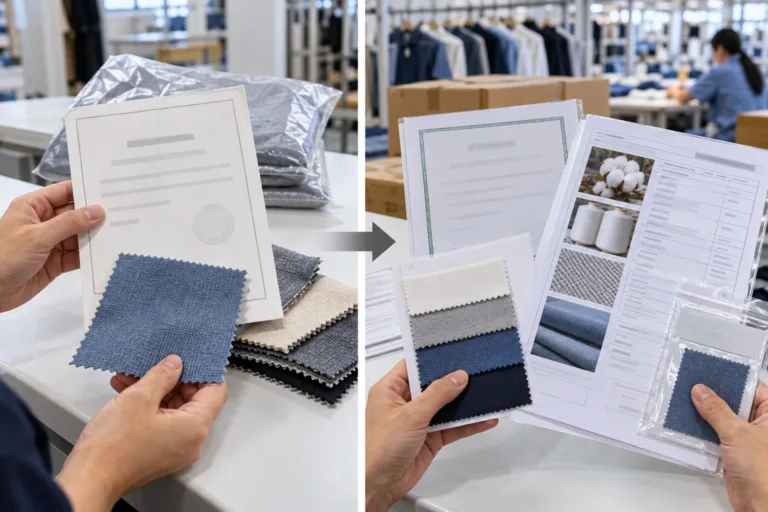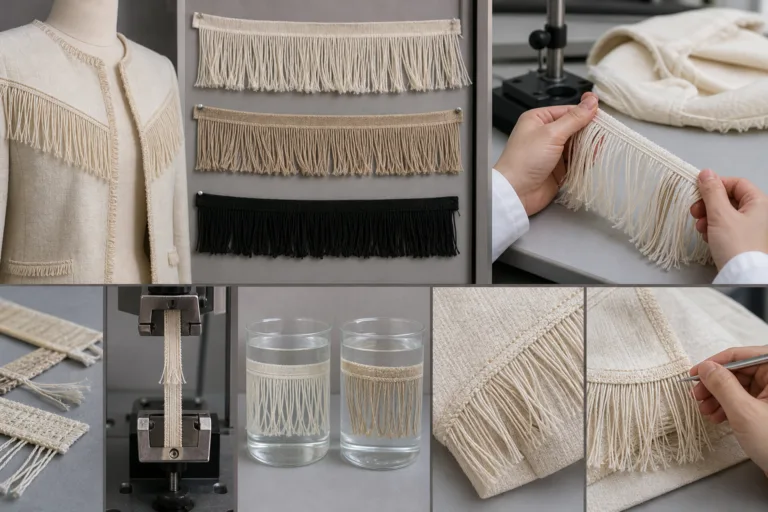
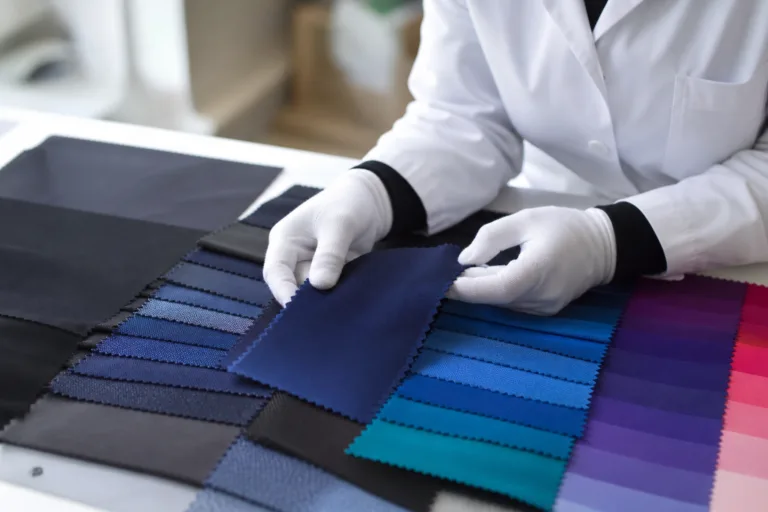
Color fastness is one of those textile issues that looks simple from the outside but creates real problems in apparel development, sourcing, retail, and daily garment care. When a fabric loses shade too quickly, stains other garments, or changes unevenly after washing and wear, the problem is not only cosmetic. It affects product value, customer trust, repeatability in bulk production, and the way a fabric should be specified from the start. For readers comparing materials, dye methods, or quality expectations, understanding color fastness helps explain why some fabrics keep their color well while others show early fabric fading, bleeding, or rub-off.
If your immediate concern is dye transfer during home laundering, this practical guide to why fabrics bleed during washing is a useful companion resource. It helps connect lab terms like dye fixation and wash fastness with real garment problems such as staining adjacent items, shade loss after the first few washes, sorting laundry by color, and knowing when bleed risk points to a production issue rather than normal use.
What color fastness means in fabrics
In textile terms, color fastness describes how well a dyed or printed fabric resists color change or color transfer when exposed to conditions such as washing, rubbing, perspiration, water, heat, and light. A fabric can fail in two different ways. First, the original shade can become weaker, duller, or different from the approved standard. Second, color can transfer from the dyed fabric onto another surface, such as a white lining, a chair, another garment in the wash, or even skin in some cases.
That distinction matters in apparel projects. A dark T-shirt may keep most of its depth but still crock onto a light bag strap. Another garment may not stain anything else yet still wash down faster than expected. In quality control, these are related but different performance issues. Buyers should not treat “fade” and “bleed” as interchangeable because the production cause and the corrective action may differ.
In apparel development, acceptable color fastness depends on the product type, end use, dye class, fiber content, and consumer expectations. A heavily washed fashion garment may be designed to age visually. A school uniform, sports polo, workwear pant, or hospitality item usually needs more stable shade performance because repeated laundering is part of the use case.
Why fabrics fade or bleed: the core science explained
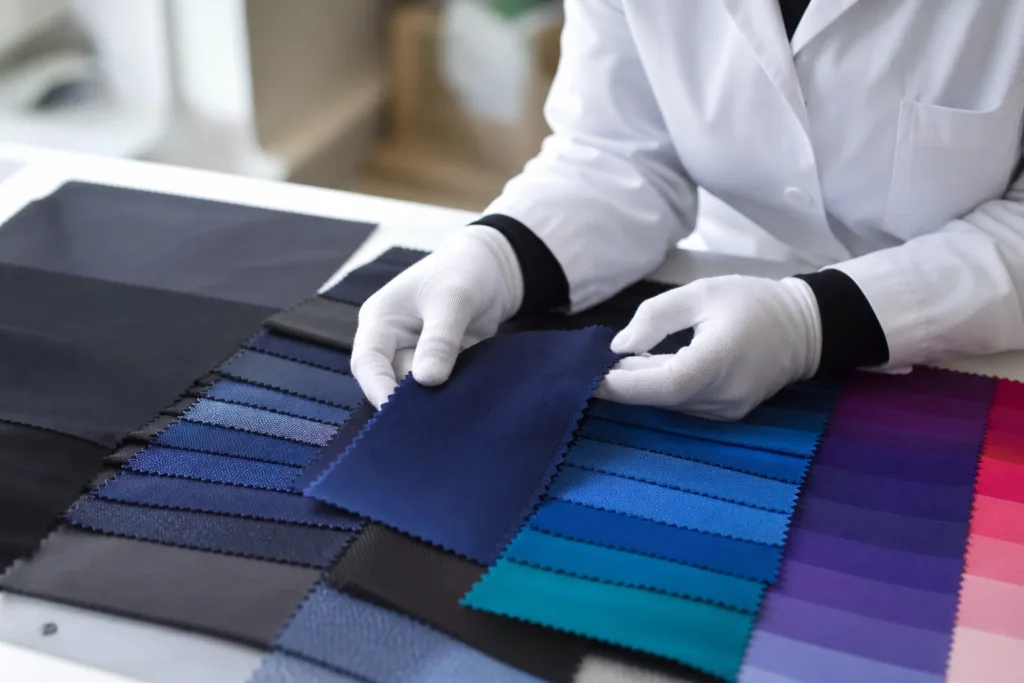
At the center of color fastness is one practical question: how securely is the color attached to the textile structure? Dyes do not all behave the same way. Some penetrate and bond strongly into certain fibers. Others sit more on the surface, depend on auxiliaries and process control, or need specific fixation conditions to perform properly. Pigment coloration behaves differently again because the color is held by a binder system rather than a molecular dye-fiber bond.
When fabrics fade, one or more things usually happen. Unfixed dye may wash out. The dye molecule may break down under sunlight or heat. Mechanical abrasion may remove surface color. Chemical exposure from detergents, perspiration, bleach, or finishing residues may weaken the shade. If the garment is a blend, one fiber may hold dye differently than another, creating an uneven appearance over time.
This detail may look small, but it can create problems later if it is not confirmed early. A lab dip can match the target color perfectly on day one, yet the finished bulk garment may behave differently after washing, brushing, peaching, enzyme treatment, or printing. So the issue is not only whether the garment looks right before packing. It is whether the shade remains acceptable after the real stresses of use.
How dye molecules bond to different fiber types
Different fibers require different dye chemistry. That is one reason color fastness cannot be judged by color alone.
Cotton and other cellulosic fibers
Cotton, viscose, modal, linen, and similar fibers are often dyed with reactive, direct, vat, or sulfur dyes depending on the product and target look. Reactive dyes can perform well because they are designed to form a chemical bond with the cellulose under the right dyeing conditions. But good wash fastness depends on proper fixation and thorough washing-off after dyeing. If hydrolyzed or unfixed dye remains in the fabric, bleeding complaints can appear even when the shade initially looks correct.
Polyester
Polyester is commonly dyed with disperse dyes. The dye enters the fiber under heat and pressure and becomes physically trapped as the fiber structure opens and closes during the process. When the process is well controlled, polyester can show strong wash performance. But if there is surface residue, poor reduction clearing, or issues during heat setting, staining or shade problems may still appear.
Nylon
Nylon is often dyed with acid dyes or metal-complex systems. It can produce rich color, but performance depends on pH control, dye selection, and end-use exposure. For garments exposed to perspiration, abrasion, or sunlight, the wrong dye choice can create early color change.
Wool and silk
Protein fibers accept acid dyes well, but they are more sensitive to harsh washing conditions, alkalinity, and temperature. Good color fastness is possible, but garment care conditions become part of the performance equation.
Blends
Blends add complexity because each fiber may require a different dye class or process route. A cotton-polyester garment is a common example. If the cotton and polyester parts of the yarn or fabric do not age at the same rate, the garment may shift in tone or look heathered in a way that was not intended.
Main factors that affect color fastness
In apparel sourcing practice, fading risk usually comes from a combination of factors rather than one isolated mistake.
| Factor | What it affects | Typical risk if not controlled |
|---|---|---|
| Fiber type | Dye compatibility and bond strength | Weak fixation, uneven shade retention |
| Dye class | Wash, rub, light, and sweat performance | Wrong dye selected for end use |
| Process control | pH, temperature, time, liquor ratio, rinsing | Residual unfixed dye and instability |
| Fabric construction | Surface exposure and abrasion behavior | More crocking or visible fading |
| Finishing | Hand feel, enzyme wash, coating, brushing | Color loss after finishing treatments |
| Garment care | Detergent, heat, bleach, sorting, drying | Premature fading in use |
| End-use stress | Sunlight, sweat, rubbing, repeated laundering | Complaint rates increase after wear |
Fabric structure also matters. A brushed fleece, slub jersey, heavily peached woven, or open-pique knit may show surface wear differently than a compact interlock or tightly woven twill. If you need a refresher on fabric weight decisions, this guide to fabric GSM and weight helps explain why heavier or lighter constructions can change opacity, durability, and surface behavior, which in turn can affect how fading becomes visible to the user.
Dye types and their performance differences
One of the biggest mistakes in product discussions is assuming that all black, navy, or red shades perform the same. In reality, dark and saturated shades can be harder to stabilize, and different dye classes carry different performance trade-offs.
Reactive dyes
Common on cotton and cotton-rich fabrics. They can achieve strong wash performance when fixation and wash-off are done properly. If not, leftover surface dye can cause bleeding.
Direct dyes
Often easier and lower cost for some applications, but usually less robust in wash performance than well-processed reactive systems. They may be acceptable in lower-demand uses but should be matched carefully to performance requirements.
Vat and sulfur dyes
Useful for certain dark shades and denim-type looks. These can give specific visual effects, but process control is critical, especially where crocking and wash-down appearance matter.
Disperse dyes
Standard for polyester. They can perform well, but migration, sublimation sensitivity, or heat-related shade issues may appear in some processes or decoration workflows.
Pigment coloration
Pigments do not dissolve into the fiber like dyes. They stay on the surface with the help of a binder. This can be useful in printing and some fashion effects, but handle, rub resistance, and wash behavior depend heavily on binder quality and curing control. For readers working across dyed and printed textiles, a guide to digital textile printing methods is helpful because print technology also changes whether the color sits more on the surface or penetrates the textile structure.
Fabric composition: why fiber content changes fading risk
Fiber content is not just a labeling detail. It changes the dye route, the finishing sequence, and the likely failure mode.
A 100% cotton jersey may lose excess dye in early washes if the wash-off was weak. A 100% polyester sports top may show less wash bleeding but can still face problems with heat exposure or dye migration. A cotton-poly blend can develop a different visual aging pattern because the cotton part and polyester part are not reacting the same way to light, detergents, and abrasion.
Knit structures can also change perception. Jersey, rib, interlock, and pique do not expose color in the same way because their surfaces, elasticity, and texture differ. If you are comparing common knit bases for polos, tees, or activewear, this comparison of jersey, rib, interlock, and pique knits helps show why the same dye recipe may not look or wear the same across constructions.
Woven structure matters too. Tighter constructions may reduce some forms of abrasion exposure, while raised or textured surfaces can show wear sooner. For that reason, buyers should review both fiber content and construction, not only color name or swatch approval. An overview of plain, twill, and satin weaves can help when assessing how surface structure influences sheen, abrasion visibility, and dye presentation.
Environmental influences: washing, heat, sunlight, sweat, and friction
Most color fastness complaints come from real-use stress. The common triggers are easy to list, but what matters is how each trigger acts on the dye-fiber system.
Washing
Washing combines water, detergent, time, temperature, and mechanical action. If excess dye remains in the fabric, the wash can remove it and stain adjacent items. Standardized color fastness testing during laundering exists because wash performance changes depending on chemistry and procedure, not just color depth.
Heat
High drying temperatures, hot pressing, curing, or heat transfer processes can alter shade or trigger migration in some synthetic systems. This is especially relevant when garments move through multiple decoration steps.
Sunlight
Ultraviolet exposure can break down certain dye molecules over time. Outdoor uniforms, sportswear, window displays, and stock stored under strong light can all show this issue. Light fastness is often overlooked when the garment is mainly tested for washing.
Sweat
Perspiration contains salts and can shift local pH. On direct-contact apparel, especially dark shades and activewear, underarm or strap areas may age differently from the rest of the garment.
Friction
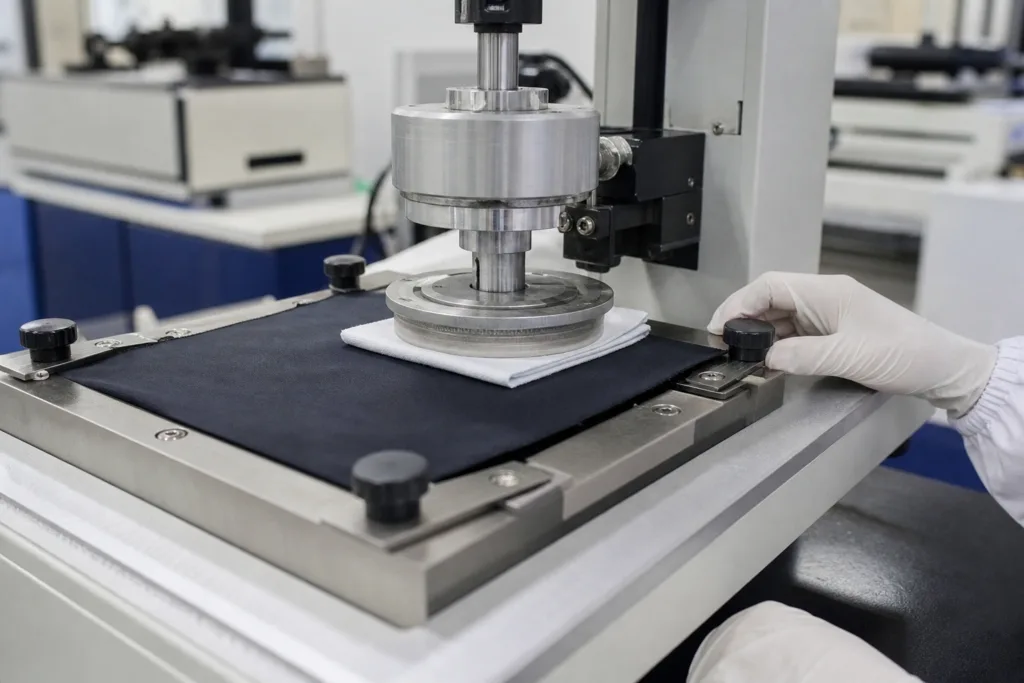
Rubbing can remove loosely fixed surface color or abrade the colored surface itself. This is one reason dark garments sometimes stain light seats, bags, socks, or linings. Formal testing uses a rubbing fastness test to check dry and wet crocking performance because wet rubbing often exposes weakness more clearly than dry rubbing.
Color fastness tests used in apparel and textile quality control
For buyers, the key is not only the product name or price, but whether the material, structure, marking method, and application requirements match the real use case. That is why color fastness should be tested against expected conditions rather than discussed in general terms.
Common test areas include wash fastness, rubbing fastness, light fastness, perspiration fastness, water fastness, and resistance to ironing or sublimation-related heat where relevant. Each test looks at two outcomes: color change in the specimen and staining of adjacent fabric. Both matter.
| Test area | What it checks | Why it matters in apparel |
|---|---|---|
| Wash fastness | Shade change and staining after laundering | Core for tees, polos, uniforms, kidswear, basics |
| Rubbing fastness | Dry and wet color transfer under friction | Important for dark garments, brushed surfaces, denim looks |
| Light fastness | Shade stability under light exposure | Important for outdoor and display-exposed products |
| Perspiration fastness | Resistance to sweat-related color change or staining | Important for activewear and skin-contact garments |
| Water fastness | Color behavior in wet conditions | Useful for rain-exposed or travel products |
| Heat-related checks | Migration or shade change under heat | Relevant for polyester and decorated garments |
At a planning level, structured resources like Apparel Wiki help teams connect test language with fabric selection, construction, decoration, QC, and sourcing decisions. In many projects, the problem is not that the buyer chose the wrong category. The problem is that some production details were not clarified before sampling or bulk production.
How manufacturers can improve color fastness during production
Good color fastness starts before the dye bath. Fiber selection, yarn quality, fabric preparation, and construction all influence consistency. Then the dyeing and finishing stages need controlled chemistry and repeatable process conditions.
Use the right dye class for the fiber and end use
Matching the cheapest workable dye is not the same as matching the right dye. If the product is a repeatedly washed school uniform or workwear style, wash performance should lead the decision. If it is an outdoor promotion item, light fastness may matter more.
Prepare the fabric properly
Scouring, bleaching, heat setting, and pretreatment affect dye uptake. Poor preparation leads to uneven penetration and unstable results.
Control fixation carefully
Temperature, pH, time, salt, alkali, and dye concentration must be aligned to the dye system. Good recipes on paper still fail when machine control is weak.
Wash off unfixed dye thoroughly
This is one of the most practical prevention steps. Residual unfixed dye is a common reason for early bleeding complaints, especially in dark cotton shades.
Review finishing and garment washing impact
Enzyme washing, stone washing, softeners, resins, peaching, and brushing can all change shade performance. What works in greige or dyed fabric form may shift after garment processing.
Confirm bulk against realistic testing
A lab dip approval is not enough. Bulk fabric, decorated panels, and finished garments should be checked under the same conditions the customer will actually use.
How consumers can reduce fading and bleeding through proper care
Some fading is caused by the product, but some is accelerated by care habits. Clear care guidance reduces complaints and extends useful garment life.
- Wash dark and saturated shades separately during the first few cycles if bleed risk is unknown.
- Use cooler water when the care label allows it.
- Turn garments inside out to reduce surface abrasion.
- Avoid overloading the washing machine, which increases friction and inconsistent rinsing.
- Use detergents appropriately and avoid unnecessary bleach.
- Do not leave wet colored garments sitting in a pile for a long time.
- Dry away from intense sunlight when light fading is a concern.
- Follow the care label rather than guessing based on garment type.
For consumer-facing products, these points should be translated into clear care-label instructions and product communication. Better care communication will not fix poor dyeing, but it can prevent avoidable damage from harsh washing and drying routines.
Common mistakes that cause premature color loss
Several issues show up repeatedly in production and post-purchase complaints.
- Approving only the original shade: the garment matched at shipment, but no one checked post-wash color change.
- Using the wrong dye system for the required performance: especially when cost pressure overrides end-use needs.
- Inadequate washing-off after dyeing: a frequent cause of bleeding in deep shades.
- Ignoring decoration heat: transfer, curing, and pressing can disturb some color systems.
- Treating all black shades as equal: black can come from different chemistry with different performance.
- Skipping rub testing on surface-sensitive fabrics: brushed, coated, washed, or pigment-heavy surfaces often need closer review.
- Not checking blend behavior: one fiber component may change faster than the other.
From a troubleshooting perspective, the most useful question is not simply “Did the fabric fade?” It is “Under which condition did it fade, transfer, or change first?” The answer usually points toward the real process gap.
Fabric and dye technology improvements that support better color retention
Textile processing has improved in several practical ways. Better dye selection software, tighter machine control, improved after-washing processes, low-liquor-ratio equipment, and more targeted auxiliaries can all help reduce inconsistency. On the product side, mills may choose dye systems with better wash or light performance for the same general shade family, though cost and handle may change.
Construction choices also support better retention. More stable surfaces, lower hairiness, tighter structures, and finishes that reduce excessive abrasion can improve visual durability even when laboratory ratings are similar. This is one reason performance should be assessed on the actual fabric and garment format, not only on generic fiber assumptions.
For printed products, pretreatment, ink chemistry, curing, and post-processing are as important as the artwork. A print that looks dense and attractive before wash testing may still fail in real use if fixation or after-treatment was incomplete.
When to expect some fading and how to judge acceptable performance
Not every color change means the product is defective. Some garment categories are intentionally washed down or expected to soften visually over time. Denim-inspired items, garment-dyed basics, vintage washes, pigment-dyed styles, and heavily laundered fashion products may all show controlled aging as part of the design language.
The key is expectation management. Was the wash-down effect intentional? Was the customer informed? Was the amount of change within the approved standard? Did the product stain other materials? Acceptable performance should be defined against the product promise, not against a generic idea that all garments must remain identical forever.
In sourcing and QC, this means setting realistic standards before bulk production. Confirm target test methods, required ratings, after-wash appearance, and whether limited early wash-off is acceptable or not. The earlier these points are aligned, the lower the risk of disputes later.
Conclusion

Color fastness is not one single property. It is the combined result of fiber type, dye chemistry, fabric construction, finishing, testing, and care conditions. When readers understand that, color problems become easier to diagnose. Fabric fading may come from light, washing, friction, or weak fixation. Bleeding may come from residual dye, wrong dye choice, or poor wash-off. Prevention starts with clearer specifications, better process control, realistic testing, and more practical care guidance. In apparel development, the best results usually come from asking the right questions before sampling and bulk, not after complaints appear.
FAQs
What is color fastness in simple terms?
Color fastness means how well a fabric keeps its original color and resists staining other materials when it is washed, rubbed, exposed to sweat, heat, water, or light. A fabric with stronger color fastness is less likely to fade quickly or bleed onto other garments during use and care.
Why do dark fabrics bleed more often than light fabrics?
Dark shades often contain more dye, and deep blacks, navies, reds, and similar colors can be harder to fix and wash off completely. If excess unfixed dye remains near the fabric surface, it can transfer during washing or rubbing more easily than on a pale shade, even when the garment looked fine before use.
Is fabric fading always a quality defect?
Not always. Some garments are designed to develop a washed or aged appearance, especially pigment-dyed, garment-washed, or vintage-style products. The real issue is whether the amount of color change matches the intended design, care instructions, and buyer expectation, and whether the garment causes unacceptable staining or uneven shade loss.
How do manufacturers test whether a fabric will bleed?
Manufacturers usually test wash fastness and rubbing fastness in the lab, then review both color change on the sample itself and staining on adjacent fabric. Depending on the product, they may also test light, sweat, or water exposure so the garment is evaluated against the conditions it is likely to face in real use.
Can fabric composition affect color fastness?
Yes. Cotton, polyester, nylon, wool, and blends all use different dye systems and respond differently to washing, heat, rubbing, and sunlight. A blend can be especially tricky because one fiber may hold or lose color differently than the other, making the garment look uneven as it ages.
What is the most practical way to reduce fabric fading at home?
Wash garments according to the care label, separate dark shades when needed, use cooler water if allowed, turn items inside out, avoid harsh bleach, and do not overdry with high heat or strong sunlight. These steps do not solve a production-level dye problem, but they do reduce avoidable stress that speeds up color loss.