apparel manufacturing

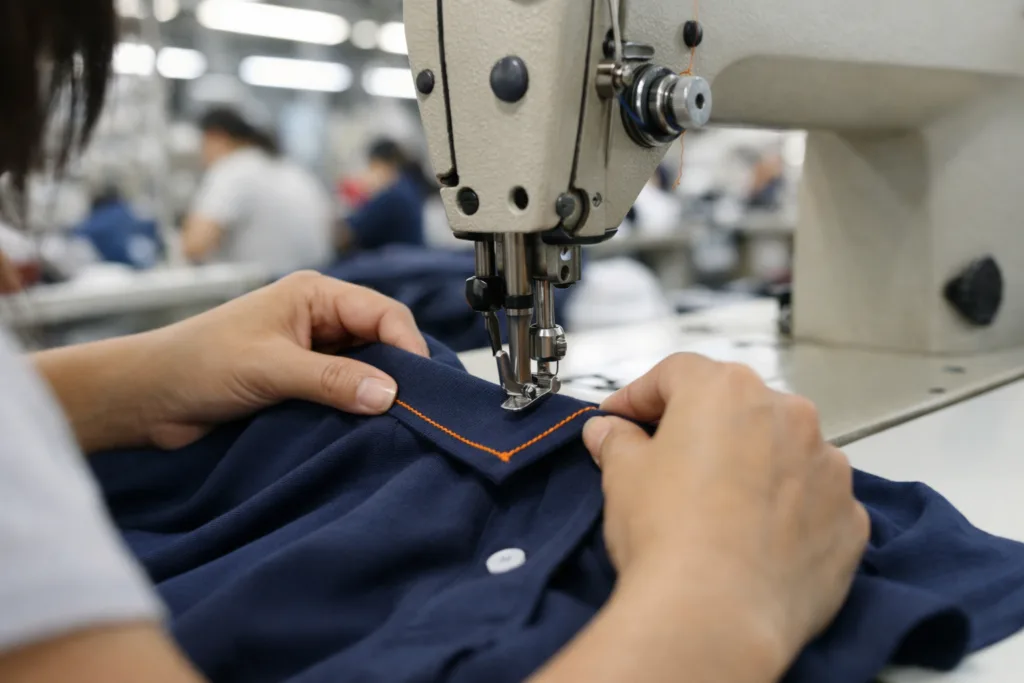
Sewing operator topstitching polo shirt collar on factory machine.

What Is “Topstitching”?

Introduction to Topstitching: Elevating Garment Design and Durability Topstitching is one of those essential sewing techniques you’ll encounter everywhere in the apparel industry, from detailed fashion pieces to rugged workwear. Its role extends far beyond decoration—topstitching combines functionality, durability, and visual appeal. Both newcomers and seasoned hands in garment production need to understand the topstitch
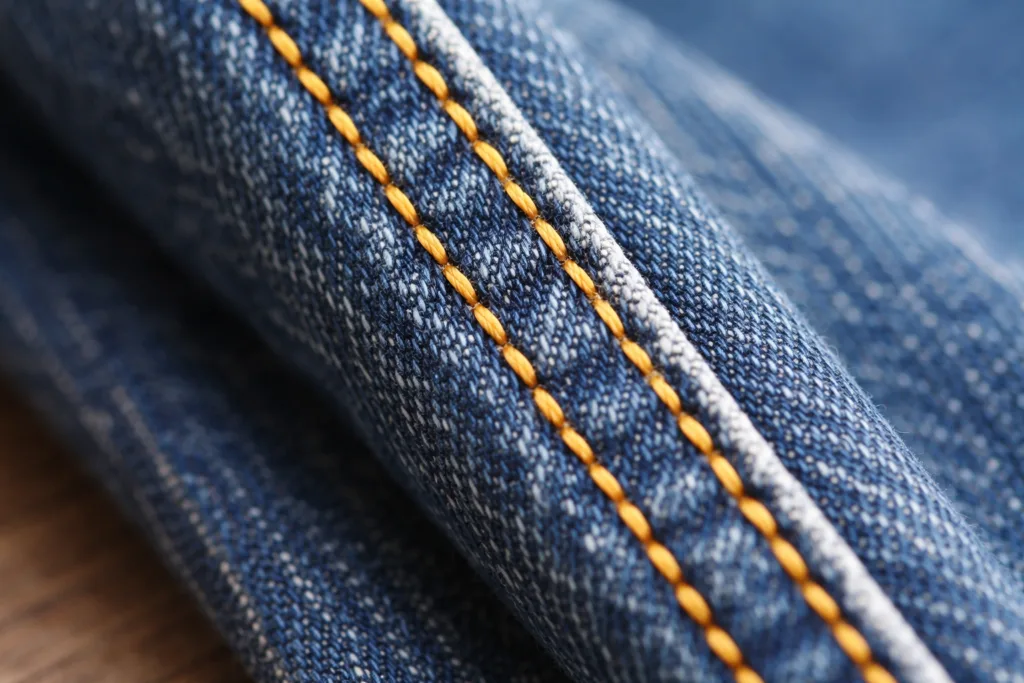
Macro photo of denim flat-felled seam with visible seam allowance application

Understanding Seam Allowance and Its Importance

Introduction: The Foundation of Quality – Seam Allowance Essentials Seam allowance forms the invisible backbone of garment construction. Whether you’re hand-tailoring bespoke suits or producing thousands of t-shirts in a modern factory, understanding seam allowance (SA) is vital. It is the extra fabric provided beyond the stitch line on pattern pieces, and its correct measurement

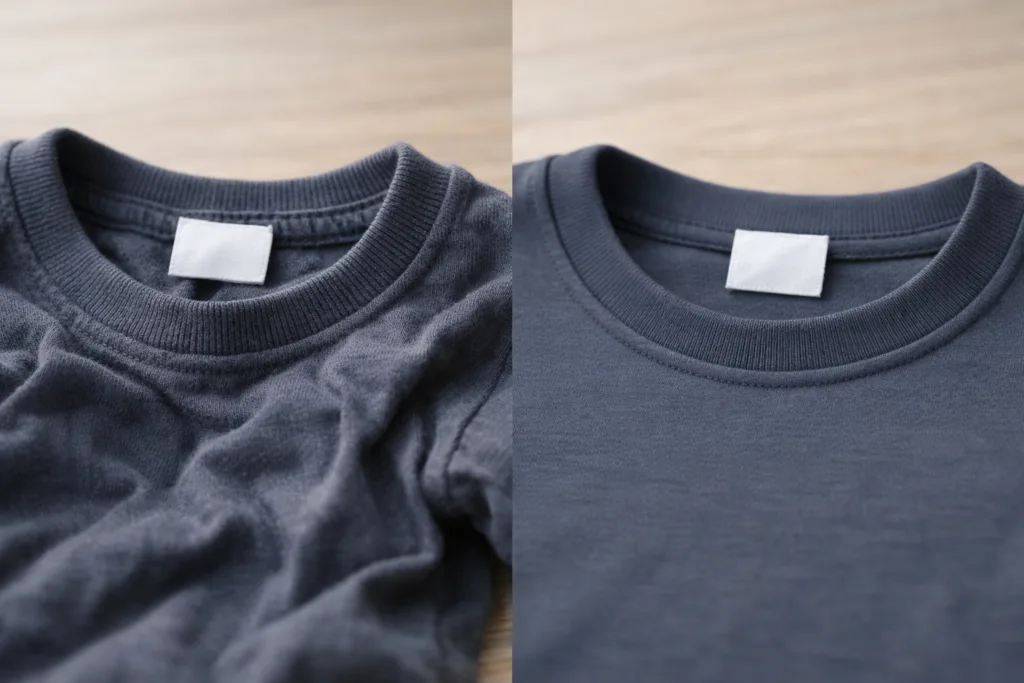
Comparison of shrunken and original T-shirts showing texture and size difference

What should I do if my garment shrinks too much?

Excessive shrinkage in garments is a common frustration for both consumers and apparel professionals. Whether it’s a beloved T-shirt coming out two sizes smaller after the wash or a mass-produced batch failing quality checks, excessive shrinkage not only affects fit but also impacts brand trust and profitability. Understanding what causes shrinkage, how to fix it,

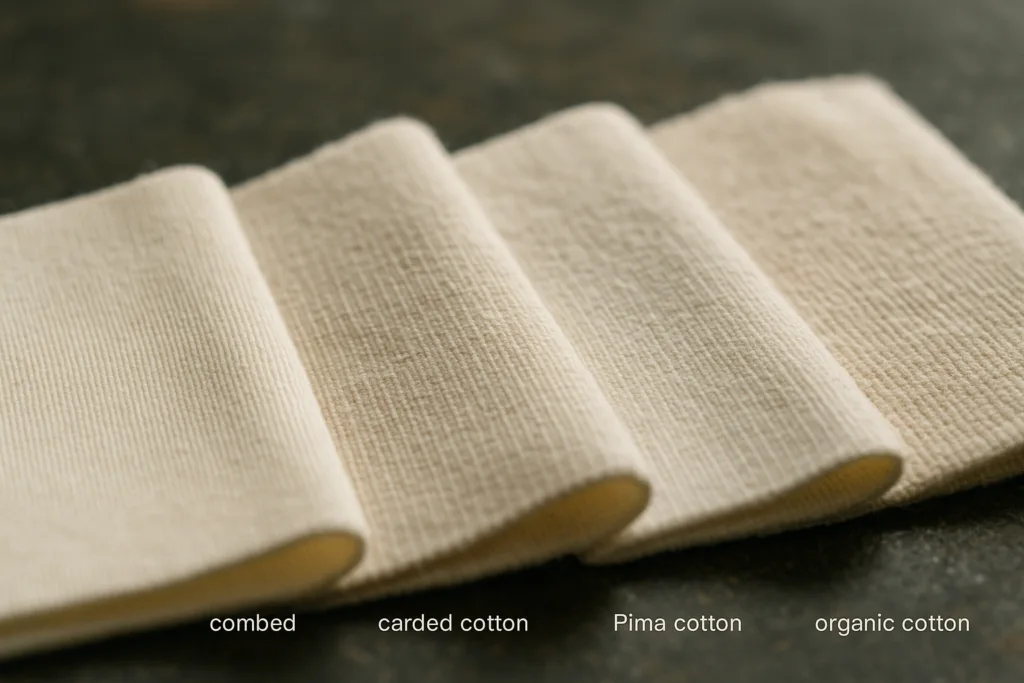
Close-up of combed, carded, pima, and organic cotton swatches on a factory table

Cotton Fabric Types: Combed, Carded, Pima, Organic

Cotton remains the backbone of the textile and apparel industry, with a range of cotton fabric types defining both the performance and the value of finished garments. Understanding the differences between combed cotton, carded cotton, pima cotton, and organic cotton is essential for buyers, product managers, designers, and quality controllers to make the right choices

Model in sunray-pleated chiffon dress turning in sunlight outdoors

What Are “Pleats”?

Pleats are a foundation of garment design, allowing fabrics to take on structure, movement, and unique silhouettes. From classic pleated skirts to tailored box pleats in coats, understanding pleats—and their precise application—is a skill every apparel professional and garment maker needs. Pleats Definition: The Backbone of Fabric Manipulation In the most practical sense, pleats are

Close-up of jersey, rib, and interlock knit fabrics with detailed texture

9 Essential Truths About Knit Fabrics: Types and Their Use in T-Shirts, Polo, Hoodies

Introduction to Knit Fabrics: Types and Their Use in T-Shirts, Polo, Hoodies Knit fabrics are the backbone of modern casual wear—from crisp polo shirts to relaxed hoodies and essential T-shirts. Their unique construction allows unmatched comfort, stretch, and versatility, shaping the way people dress for both work and play. Whether you’re a designer, buyer, factory

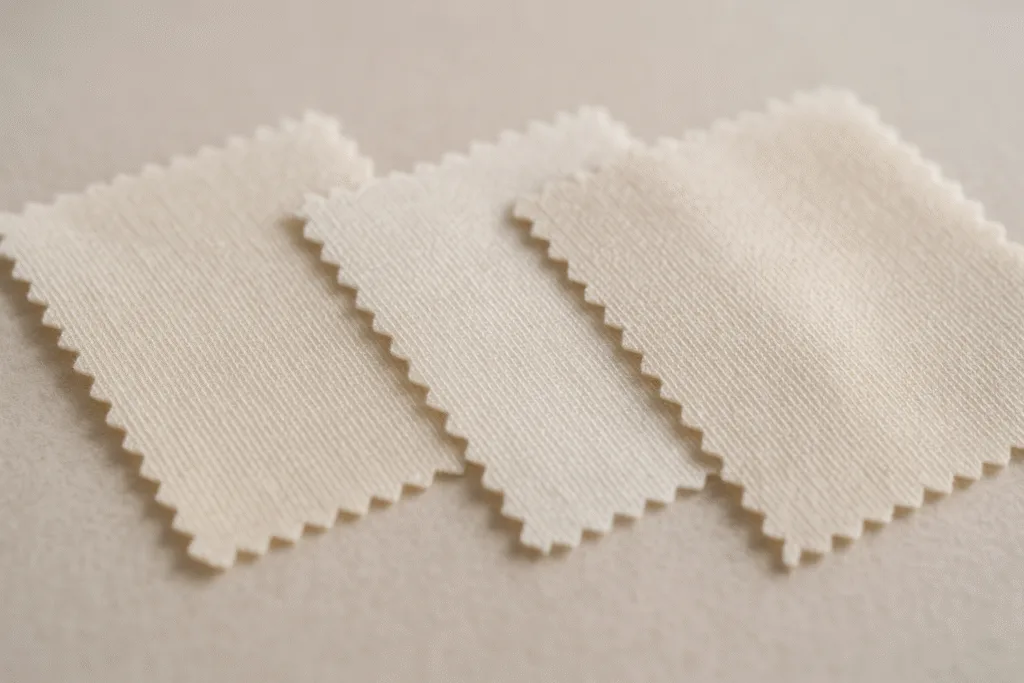
This macro photo presents the tactile differences between four common regenerated fabrics, visually explaining softness, drape, and handfeel as outlined in the comparison table for quick reference.

Semi-Synthetic & Regenerated Fibers: Viscose, Modal, Lyocell, Bamboo

Introduction to Semi-Synthetic & Regenerated Fibers: Viscose, Modal, Lyocell, Bamboo Semi-synthetic and regenerated fibers, including viscose fabric, modal fabric, lyocell fabric, and bamboo fabric, have shaped modern apparel with their unique blend of comfort, sustainability, and performance. These fibers bridge the gap between natural and fully synthetic textiles, delivering superior drape, breathability, and a refined

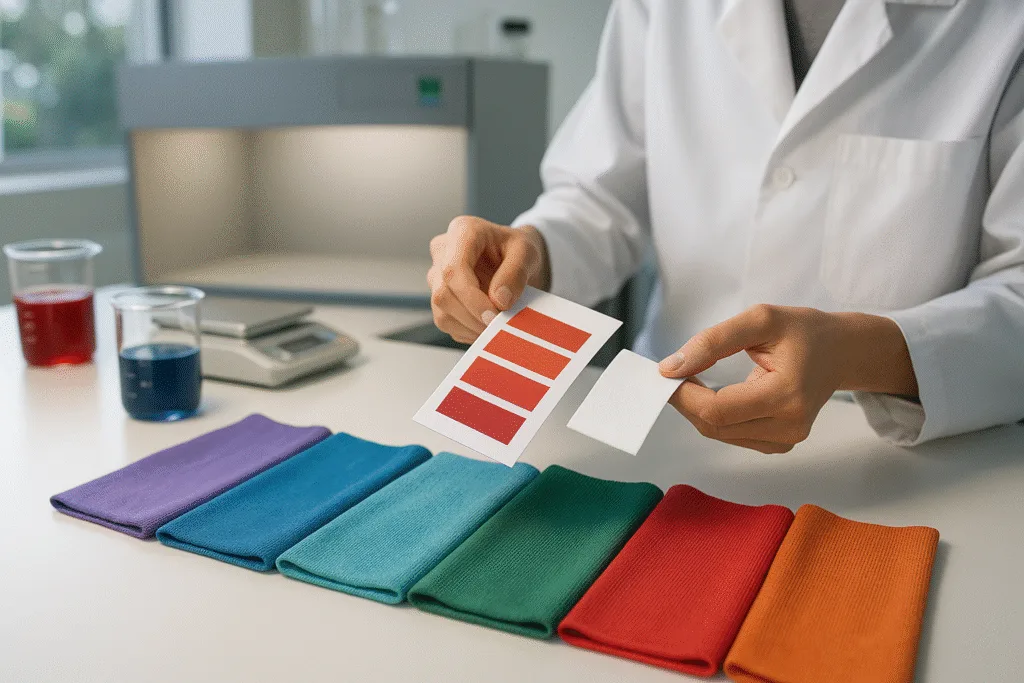
Image shows the hands of a technician aligning lab dip swatches next to a color card under proper light conditions, highlighting critical approval steps. This supports the section by visually explaining the controlled lab dip process central to color matching.

Why does bulk production color not match the color card?

Understanding Bulk Production Color Challenges In every garment manufacturing cycle, matching colors precisely from approved color cards to bulk production fabrics is a cornerstone of quality control. Yet, color mismatch in bulk runs remains one of the most frequent—and costly—issues facing factories and buyers. These variations disrupt branding, retail consistency, and can trigger rejections, chargebacks,

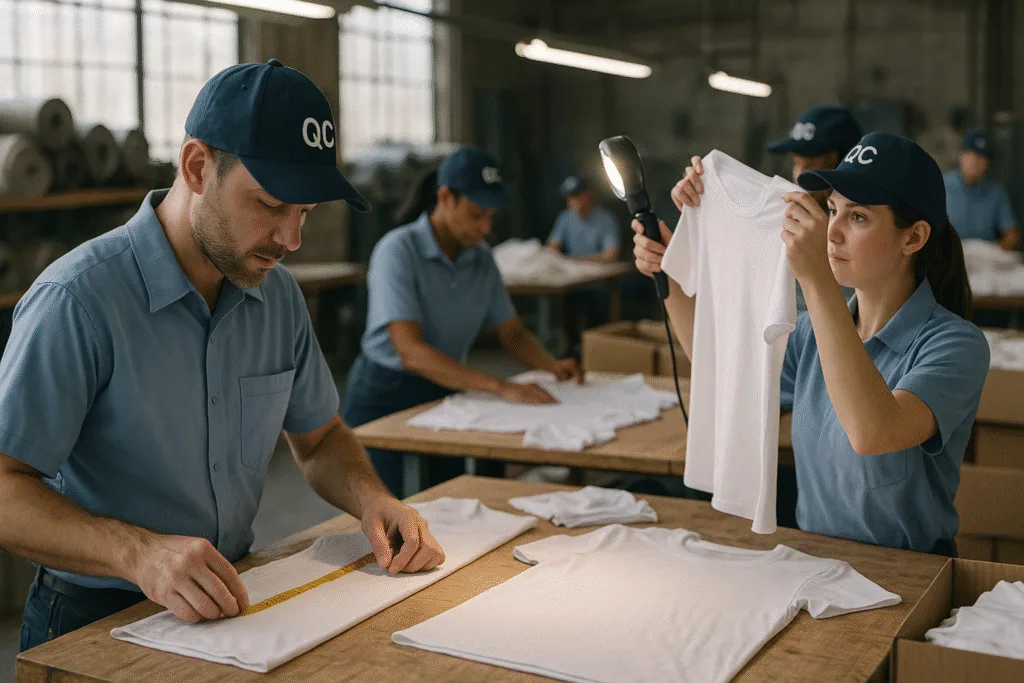
This image shows QC staff evaluating T-shirts using AQL sampling plans at a factory. The scene illustrates the real-world inspection process, highlighting measurement, visual checks, and the role of inspectors.

Apparel Inspection Levels: AQL Explained

An effective quality inspection strategy is the backbone of successful garment production. Among the most vital tools in garment quality assurance is the Acceptable Quality Level (AQL) methodology. For any apparel brand or factory aiming to deliver consistent quality—while keeping costs under control—understanding AQL in apparel, the different inspection levels, and robust sampling plans is

Scroll to Top